
What a Home EV Charger in Australia Actually Does for Your Daily Life
Home EV Charger in Australia
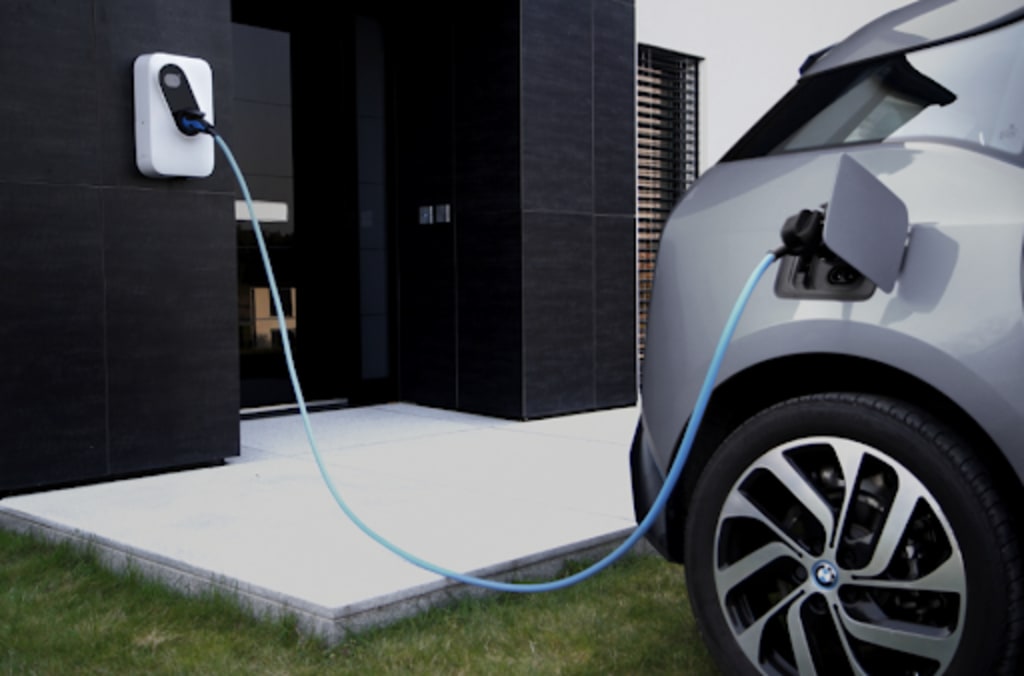
People spend weeks researching which electric vehicle to buy. They compare models, read forums, watch review videos. Then they get the car home, plug into a standard wall outlet, and wonder why the whole thing feels slower and clunkier than expected. The charger is almost always the overlooked piece. A home EV charger in Australia changes not just how fast a car charges — it changes whether owning an EV actually feels like an upgrade or a mild ongoing inconvenience.
The Switchboard Comes First
Most people assume a charger installation means running a cable to the garage wall. That is the easy part. The harder question is whether the existing switchboard can carry the additional load without tripping or, worse, creating a fire risk over time. Older Australian homes were wired for far lighter electrical demands than what modern households actually run. An EV charger on top of an air conditioner, a hot water heat pump, and an induction cooktop can expose a switchboard that was already at its limit. Knowing that before booking an electrician saves a lot of back-and-forth later.
Slow Charging Protects the Battery
Faster charging feels like the obvious goal. It is not, at least not at home. A home EV charger in Australia running at a moderate rate overnight is genuinely easier on battery chemistry than one hammering maximum current into the pack every single night. Battery degradation does not show up quickly — it shows up years down the track when range starts quietly shrinking. Most EV manufacturers reflect this in their warranty conditions, though the marketing material rarely flags it. For a daily top-up, gentle and consistent beats fast and aggressive every time.
Solar Pairing Is Not Automatic
Households with solar panels often assume the charger will simply draw from the panels during the day. It depends entirely on whether the charger and inverter can actually talk to each other. Many cannot. A charger without solar integration awareness pulls from the grid regardless of what the panels are producing. That surplus generation gets exported at a low feed-in rate while the car charges on full-price grid power. Getting it right means choosing compatible hardware from the beginning, not hoping a retrofit controller fixes it later.
The Wrong Electricity Plan Wastes Everything
Switching to a time-of-use electricity tariff is one of the most effective things an EV owner can do, yet most guides barely mention it. Off-peak rates during late-night hours can make home charging dramatically cheaper than any public station. The issue is that time-of-use billing requires a smart meter, and many Australian homes still run on older meters that cannot support it. A home EV charger in Australia with built-in scheduling does nothing useful if the underlying electricity plan charges a flat rate around the clock. Sorting the plan and the meter first makes the charger's smart features actually worth having.
Renters Get Left Out
Almost every home charging conversation assumes ownership. It should not. A big slice of Australian households rent, and installing a dedicated EV charger requires landlord sign-off and, usually, a formal electrical upgrade. Some landlords engage with the request seriously. Many do not bother responding at all. There is no consistent legislative framework across Australian states that compels landlords to consider it. Renters are left using slow outlet charging or relying entirely on public infrastructure — a real barrier that the broader EV conversation tends to sidestep rather than address.
Three-Phase Homes Have Options
Properties wired for three-phase power can access higher charge rates without straining the electrical system the way single-phase homes might. Three-phase is more common in newer builds and in rural or semi-rural properties with heavier power needs. Most suburban homes run single-phase, which handles overnight charging without issue. But for households that need a meaningful top-up during the day — tradespeople who use a vehicle heavily, for instance — finding out whether three-phase is available before selecting a charger is a question worth raising early.
Conclusion
Buying the car is the straightforward part. Making it work well at home is where most people underinvest their attention. A home EV charger in Australia done properly — right switchboard capacity, right electricity plan, right installer — runs quietly in the background and never becomes a conversation again. Done poorly, it becomes the thing that makes people wonder whether they jumped into an EV too soon. The difference between those two outcomes is not luck. It is just asking the right questions before anything gets installed.
About the Creator
Enjoyed the story? Support the Creator.
Subscribe for free to receive all their stories in your feed.
Comments
There are no comments for this story
Be the first to respond and start the conversation.