
Well Water Pump Replacement in 2025 Essential Guide to a Smooth Process
Ensuring a Seamless Well Pump Upgrade

A well water pump replacement is important for homes with a well. Water pumps help bring water from the well to your home. Without a good pump, you might not have water. This guide will help you understand well water pumps. It will also show you signs of pump failure and how to replace your pump.
Understanding Well Water Pumps
Well water pumps are machines that move water from the ground. They bring water to your home for drinking, cooking, and washing. There are different types of pumps. Some pumps are in the well, and some are above ground. The most common types are submersible pumps and jet pumps. Submersible pumps are placed inside the well. Jet pumps are installed above the ground.
Each type of pump works differently. Submersible pumps push water to the surface. Jet pumps pull water from the well. Both types are good for different depths of wells. Submersible pumps work well for deep wells. Jet pumps are better for shallow wells. Knowing your well depth helps you choose the right pump.
Signs Your Well Water Pump Needs Replacement
Pumps do not last forever. They can wear out over time. It is important to know the signs of a failing pump. One sign is low water pressure. If your water flow is weak, your pump may be failing. Another sign is strange noises. Pumps should not make loud or strange sounds. If you hear banging or clicking, there could be a problem.
Dirty water is also a sign of pump trouble. Your water should be clean and clear. If it is dirty or has sand, your pump might be failing. Finally, high electricity bills can signal a problem. A failing pump works harder and uses more power. If you notice any of these signs, it might be time to replace your pump.
Steps to Replace a Well Water Pump
Replacing a well water pump is a big task. It can be done with the right tools and knowledge. First, turn off the power to the pump. This is very important for safety. Next, remove the old pump. This step can be tricky. You may need help to pull the pump out of the well. Once the old pump is out, check the well. Look for any damage or debris.
After checking the well, install the new pump. Follow the instructions that come with the pump. Make sure all connections are tight and secure. Once the pump is installed, turn the power back on. Check the pump to make sure it works properly. Test the water flow and pressure. If everything looks good, you have successfully replaced your pump.
Maintaining Your Well Water Pump
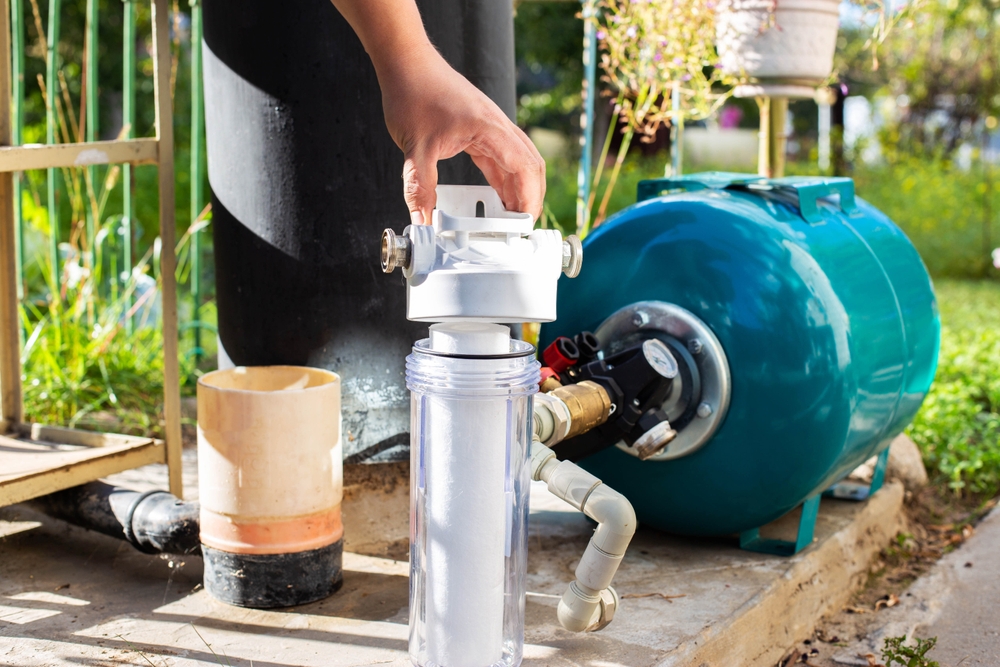
Regular maintenance helps keep your pump working well. Check your pump and well every few months. Look for any signs of wear or damage. Clean any debris from around the pump. Make sure all connections are tight. Check the water pressure and flow often. If you notice any problems, fix them right away.
Also, have a professional inspect your pump and well once a year. They can find and fix problems before they get worse. Regular maintenance helps extend the life of your pump. It also ensures you always have clean, flowing water.
Frequently Asked Questions
What Are The Signs Of A Failing Well Water Pump?
A failing well water pump may show low water pressure, strange noises, or dirty water.
How Often Should I Replace My Well Water Pump?
Well water pumps typically last 8-15 years. Regular maintenance can extend their life.
What Causes A Well Water Pump To Fail?
Common causes include electrical issues, clogged pipes, or worn-out parts.
Can I Replace A Well Water Pump Myself?
Replacing a well water pump requires specialized knowledge and tools. It's best to hire a professional.
Conclusion
Well water pump replacement is important for a healthy home. Knowing the signs of pump failure helps you act fast. Replacing a pump can be done with care and the right tools. Regular maintenance helps keep your pump in good shape. By following these steps, you can ensure a steady water supply for your home. Always remember to stay safe and seek help if needed.
About the Creator
Enjoyed the story? Support the Creator.
Subscribe for free to receive all their stories in your feed.
Comments
There are no comments for this story
Be the first to respond and start the conversation.