
Veneers vs. Bonding: Which is Right for Your Smile Makeover?
Find the Perfect Solution for Your Dream Smile
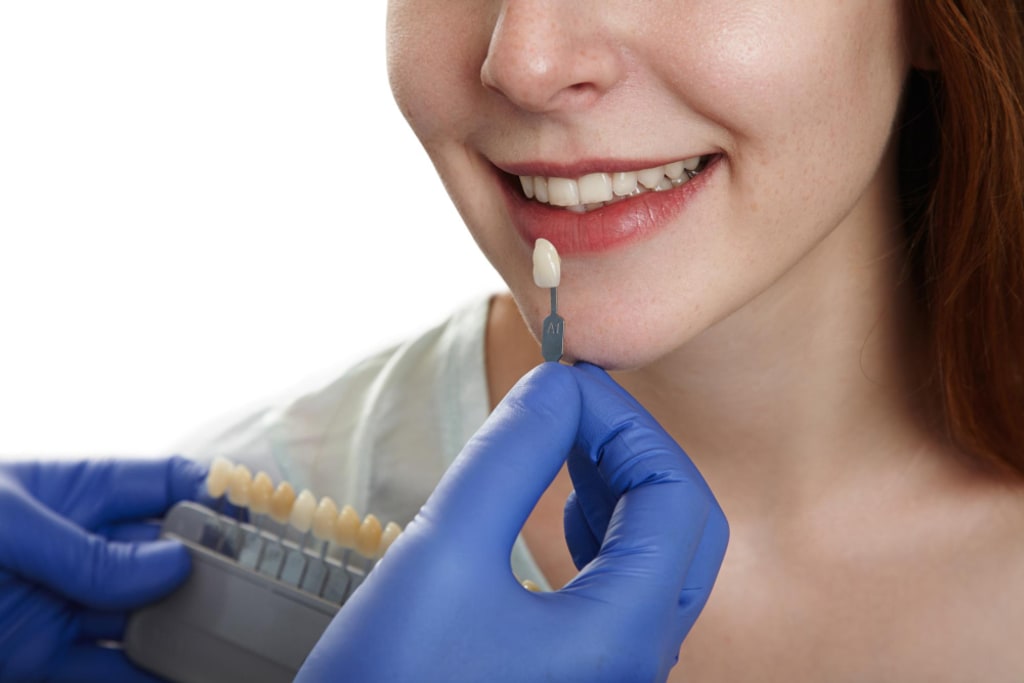
A beautiful smile can boost confidence and leave a lasting impression. For anyone considering a smile makeover, two popular options often come up: veneers and bonding. Both treatments offer effective solutions for improving the appearance of teeth, but they differ in process, durability, cost, and ideal use cases. In this article, we’ll explore dental veneers and bonding to help you determine which option is best for achieving your dream smile.
What Are Veneers?
Veneers are thin, custom-made shells crafted from porcelain or composite resin designed to cover the front surface of teeth. They are bonded to the teeth to improve their appearance, addressing a range of cosmetic issues.
Benefits of Veneers
- Natural Appearance: Porcelain veneers mimic the natural translucency of enamel, providing a more lifelike appearance.
- Long-lasting: Veneers are durable and can last up to 10-15 years with proper care.
- Stain-resistant: Porcelain veneers resist stains, helping maintain a bright, white smile.
Ideal Use Cases for Veneers
Veneers are an excellent choice for people looking to address:
- Severely discoloured or stained teeth that cannot be whitened by bleaching
- Misshapen or unevenly spaced teeth
- Moderate gaps or minor misalignments in the teeth
- Cracks or chips that may require more coverage for an even look
The Process of Getting Veneers
- Consultation: The dentist evaluates your teeth, discusses the desired outcome, and recommends the number and placement of veneers.
- Preparation: The surface of the teeth is gently reshaped to allow for the thickness of the veneer.
- Impression and Creation: An impression of your teeth is taken to custom-design the veneers. Porcelain veneers are made in a lab, while composite resin veneers can sometimes be crafted on-site.
- Placement: The veneers are bonded to the teeth using a strong adhesive and cured with a special light.
What Is Bonding?
Dental bonding involves applying a tooth-coloured composite resin to the surface of the teeth. The resin is molded, shaped, and then hardened with a special light to correct imperfections.
Benefits of Bonding
- Less invasive: Bonding generally requires little to no removal of tooth enamel.
- Quick and simple: Bonding can often be completed in a single visit, making it ideal for those with busy schedules.
- Cost-effective: Bonding is typically more affordable than veneers.
Ideal Use Cases for Bonding
Bonding is commonly used to correct:
- Minor chips and cracks in the teeth
- Small gaps between teeth
- Discoloration for individual teeth
- Minor shaping issues where only slight modifications are needed
The Process of Dental Bonding
- Preparation: Little to no preparation of the tooth surface is necessary, although the tooth may be roughened slightly to improve adhesion.
- Application: A composite resin is applied to the tooth, shaped, and contoured as needed.
- Curing: The resin is hardened using a curing light, and the tooth is polished to match the natural look of surrounding teeth.
Veneers vs. Bonding: Key Differences
Aspect Veneers Bonding
Durability 10-15 years 3-5 years
Cost Higher cost More affordable
Aesthetics Natural, lifelike appearance Effective but may look less natural
Stain Resistance High (porcelain veneers) Low to moderate
Procedure Time Usually requires two visits Typically done in one visit
Maintenance Low May require more touch-ups
When to Choose Veneers?
If you're looking for a long-lasting, natural-looking option and are open to a more involved procedure, veneers might be the right choice. Veneers are a great solution for individuals who want to address significant cosmetic concerns or desire a complete smile transformation.
Consider Veneers If:
- You want a highly durable solution for significant issues like discolouration, uneven spacing, or large gaps.
- You’re willing to invest in a higher-cost solution for an extensive smile makeover.
- You desire a more permanent option with minimal maintenance.
When to Choose Bonding
Bonding may be ideal if you need a quick, affordable fix for minor imperfections. Bonding offers a simpler process, making it an appealing choice for those who want a same-day treatment with minimal tooth preparation.
Consider Bonding If:
- You have minor cosmetic concerns like small chips, discolouration, or gaps.
- You’re looking for a budget-friendly option and prefer a less invasive procedure.
- You’re open to the possibility of future touch-ups or replacements over time.
Maintenance Tips for Both Veneers and Bonding
Regardless of whether you choose veneers or bonding, proper dental hygiene is essential to prolong the lifespan of your smile makeover. Here are some tips:
- Regular Brushing and Flossing: Brush twice daily with a non-abrasive toothpaste and floss to keep your smile clean and healthy.
- Avoid Staining Foods: Dark-colored beverages like coffee, tea, and red wine can stain bonding materials and may dull the brightness of veneers over time.
- Use a Mouthguard: Protect your dental work from damage if you grind your teeth at night or engage in sports.
- Routine Dental Visits: Schedule regular check-ups with your dentist to monitor the condition of your veneers or bonding.
Final Note: Making the Right Choice for Your Smile Makeover
Both veneers and bonding are excellent options for a smile makeover, but the right choice depends on your unique needs, budget, and long-term goals. Consulting with a qualified dentist is essential to determine the best treatment plan for achieving your ideal smile. With proper care and the right choice, you can enjoy a bright, beautiful smile for years.
About the Creator
Dakabin Dental Clinic
Dakabin Dental is the newest dental clinic in Brisbane's Northern suburbs. We are your local gentle dentists, boasting a new clinic with world-class equipment in Dakabin. https://www.dakabindental.com/
Enjoyed the story? Support the Creator.
Subscribe for free to receive all their stories in your feed.
Comments
There are no comments for this story
Be the first to respond and start the conversation.