
Unlock the Power of Hatha Yoga: Balance, Strength, and Serenity for Your Mind and Body
Discover the core elements of Hatha Yoga, from asanas and pranayama to its calming health benefits for all levels

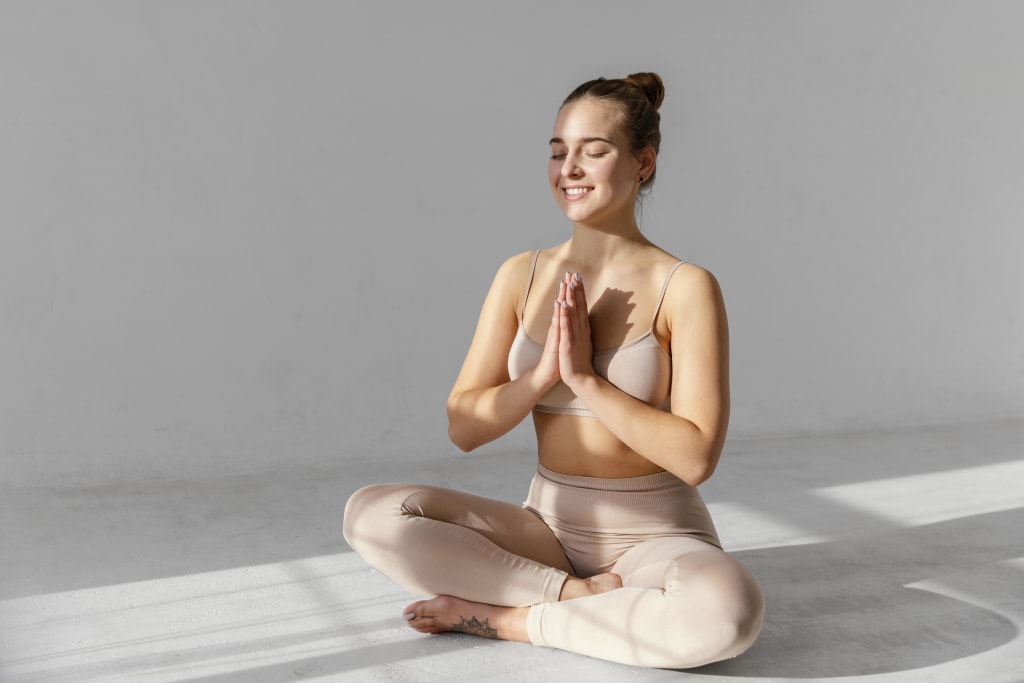
Yoga, a practice that originated in ancient India, has become an essential part of many people's lives today, with various types designed to focus on specific physical, mental, and spiritual aspects. One of the most popular forms of yoga is Hatha Yoga, which is widely practiced around the world. But what is Hatha yoga exactly, and why has it gained so much popularity?
Understanding Hatha Yoga
Hatha Yoga is a branch of yoga that emphasizes physical postures (asanas), breathing techniques (pranayama), and meditation. The term "Hatha" comes from two Sanskrit words—Ha meaning "sun" and Tha meaning "moon." This reflects the practice's goal of achieving balance between the opposing forces within the body, such as the masculine and feminine energies, or the physical and mental realms. It’s about harmonizing these energies to bring about mental clarity, physical strength, and spiritual peace.
Hatha Yoga can be seen as a preparatory practice that prepares the body for deeper meditation practices. It's ideal for beginners and seasoned practitioners alike due to its accessible pace, focusing on aligning the body, breath, and mind.
Core Components of Hatha Yoga
- Asanas (Physical Postures): At its core, Hatha Yoga involves a series of physical postures, or asanas, which aim to improve flexibility, strength, and balance. The asanas are designed to stretch and strengthen muscles, helping the body to become more supple and agile over time. Unlike more dynamic forms of yoga such as Vinyasa, Hatha Yoga focuses on holding the postures for a longer duration, allowing practitioners to deepen their practice and awareness of their body’s alignment.
- Pranayama (Breathing Techniques): Another key aspect of Hatha Yoga is pranayama, the practice of controlled breathing. Breath is believed to be the bridge between the mind and body, and pranayama techniques help to regulate the flow of prana, or life energy, through the body. Through focused breathing, practitioners can release stress, increase oxygen intake, and promote relaxation. Breathing exercises in Hatha Yoga help calm the nervous system, reduce anxiety, and enhance mental focus.
- Meditation: Hatha Yoga is also closely tied to meditation, where the ultimate goal is to reach a state of mindfulness and stillness. Meditation practices within Hatha Yoga help practitioners connect with their inner selves, find clarity, and gain insight. The balance created between the body and mind through asanas and pranayama makes it easier to enter a meditative state, leading to profound mental relaxation and clarity.
Health Benefits of Hatha Yoga
The practice of Hatha Yoga offers a wide range of benefits for both the body and the mind. Here are some of the most notable advantages:
- Improved Flexibility: The regular practice of Hatha Yoga can significantly enhance flexibility, making the body more open and less prone to injuries. By holding poses for longer durations, muscles become stretched and joints lubricated, which contributes to a more flexible body over time.
- Increased Strength: While Hatha Yoga is often seen as a gentler practice compared to other forms of yoga, it still builds strength. Holding postures for extended periods requires strength and endurance, which helps tone muscles and improve overall physical stamina.
- Stress Relief and Relaxation: Hatha Yoga is known for its calming effects on the nervous system. By combining mindful movement with controlled breathing, it activates the parasympathetic nervous system, which helps reduce stress and induces a deep sense of relaxation. This makes it an excellent practice for those dealing with high-stress levels or anxiety.
- Mental Clarity: The mindfulness aspect of Hatha Yoga encourages a deeper sense of awareness and presence, which can lead to improved concentration and mental clarity. Over time, this practice sharpens focus, clears mental fog, and helps in decision-making processes.
- Better Posture: The emphasis on alignment in Hatha Yoga helps to correct poor posture. Through the awareness developed in each asana, practitioners learn to stand and sit with better posture, which can alleviate tension in the back, neck, and shoulders.
- Enhanced Breathing and Respiratory Health: Pranayama, the breathing exercises in Hatha Yoga, play a crucial role in improving lung capacity, enhancing oxygen flow, and improving overall respiratory health. It also teaches practitioners how to control their breath during stressful situations, leading to a calmer mindset.
Who Can Practice Hatha Yoga?
One of the greatest appeals of Hatha Yoga is its accessibility, making it easy to find a Hatha Yoga Near You. It is suitable for people of all ages and fitness levels. Whether you’re new to yoga or have been practicing for years, you can adapt the postures and pace to fit your individual needs. Additionally, because Hatha Yoga is typically slower-paced and less intense than other forms of yoga, it’s an excellent choice for those recovering from an injury, older adults, or anyone seeking a gentle approach to yoga.
Conclusion
So, what is Hatha yoga? It’s a holistic practice that brings balance to the body, mind, and spirit through physical postures, breath control, and meditation. Whether you're looking to improve your flexibility, reduce stress, or gain mental clarity, Hatha Yoga offers a path to overall well-being. Its gentle nature makes it an excellent practice for people of all ages and abilities, promoting both physical health and mental tranquility. By incorporating Hatha Yoga into your daily routine, you can enhance your quality of life and bring about lasting positive changes in your health and mindset.
About the Creator
Yogarchana
At Yogarchana, we invite you to a new start on a transformative journey of self-discovery and well-being.
Enjoyed the story? Support the Creator.
Subscribe for free to receive all their stories in your feed.
Comments
There are no comments for this story
Be the first to respond and start the conversation.