
Unleash Your Inner Potential with Kundalini Meditation
Awaken Your Consciousness and Achieve Enlightenment through the Power of Kundalini

What is Kundalini Meditation
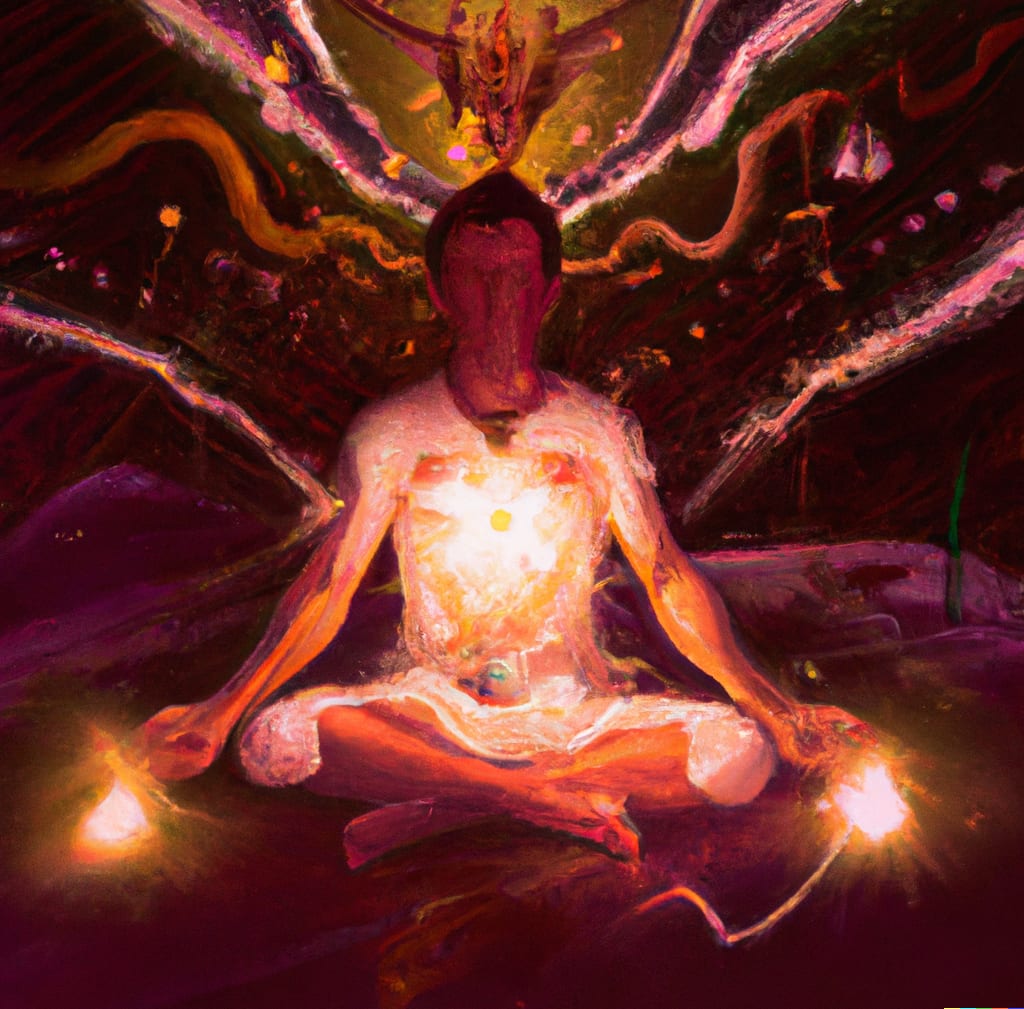
Kundalini Meditation is a spiritual and meditative practice with roots in ancient Hindu and yogic traditions. The term "Kundalini" is derived from Sanskrit, meaning "coiled," and refers to a dormant energy that lies at the base of the spine.
In Kundalini Meditation, the focus is on awakening this dormant energy and allowing it to rise through the chakras, or energy centers, until it reaches the crown of the head. This process is believed to lead to spiritual awakening and enlightenment.
History of Kundalini Meditation
Kundalini meditation has its roots in ancient India and has been practiced for thousands of years. The term “Kundalini” is derived from Sanskrit and means “coiled,” referring to the dormant energy that is said to reside at the base of the spine.
Kundalini meditation was originally passed down through oral tradition and was taught by gurus to their disciples. In the past, it was a closely guarded secret, only taught to select individuals who had demonstrated a deep commitment to spiritual growth.
As spiritual practices became more widespread, Kundalini meditation became more widely available and was introduced to the Western world in the late 1960s and 1970s. Today, it is practiced by people from all walks of life, who seek to awaken their inner potential and achieve enlightenment.
Despite its long history, Kundalini meditation is still considered by many to be a mystical and mysterious practice. However, with a growing body of research on the benefits of meditation and mindfulness, Kundalini meditation is gaining recognition as a powerful tool for personal growth and spiritual development.

The purpose of Kundalini Meditation
Kundalini meditation, with its focus on primal energy, helps channel energy, relieve stress, and move away from living on autopilot. It is a technique, not a belief system, that helps clear the clutter of the world and access the inner self. The benefits of Kundalini meditation are not immediate and require perseverance and consistent practice for optimal results.
Kundalini meditation is like a mental shower that cleanses the mind and rejuvenates after a stressful day. It helps balance energy (chakras) and calm the mind to act with purpose.
Techniques of Kundalini Meditation
Deep Breathing
Deep breathing is an integral part of Kundalini meditation and is used to awaken the dormant energy within you. The technique involves slow, controlled, and deep breaths that activate the diaphragm and fill your lungs with air. When practicing deep breathing, it's important to focus on the sensation of the breath moving in and out of your body, which can help calm the mind and bring a sense of stillness to your practice.
Mudras
Mudras are hand gestures that play a significant role in Kundalini meditation. These hand movements serve as a tool to direct and control the flow of energy within the body. Different mudras are used to target specific chakras, and the practitioner can use them to balance and harmonize the energy centers. For instance, the Gyan Mudra involves touching the thumb and index finger together, which is said to activate the crown chakra and promote mental clarity.
In Kundalini meditation, the use of mudras helps to bring focus and intention to the practice, and the physical movement of the hands enhances the flow of energy. Whether used alone or in combination with other techniques, mudras offer a powerful tool for awakening and harnessing the Kundalini energy.
Mantras
Mantras are an important component of Kundalini meditation. Mantras are specific phrases, words or sounds that are repeated as a focus of concentration and meditation. In Kundalini meditation, mantras are often used to calm the mind and direct one's attention inward, allowing for greater connection to the inner self and the awakening of the Kundalini energy.
The repetition of mantras is said to bring balance to the mind and body, which in turn, can lead to greater self-awareness and consciousness. Mantras can be recited silently or aloud, and can range from simple sounds to more complex, meaningful phrases. Some common mantras used in Kundalini meditation include "Om" and "Sat Nam". The choice of mantra is often personal and may depend on individual beliefs and goals. Regardless of the mantra chosen, the repetition of mantras is said to bring a greater sense of inner peace, stability, and connection to the higher self.
Yogasanas
Yogasana, also known as physical movements, is an integral part of Kundalini meditation. It is a series of postures that are designed to work in conjunction with deep breathing, mudras, and mantras to awaken the Kundalini energy within.
Each Yogasana is carefully crafted to target specific chakras and help release any blocked energy in the body. The movements can range from gentle stretching to dynamic and invigorating postures, and are typically performed in a specific sequence to promote the flow of energy through the body.
Practicing Yogasana can help to build strength, flexibility, and balance, and can also be an effective tool for reducing stress and promoting overall wellness. By combining physical movement with breath, sound, and visualization, Yogasana offers a powerful way to unlock the full potential of Kundalini meditation.
The Chakras and Kundalini Meditation
The concept of chakras is central to Kundalini meditation. Chakras are believed to be energy centers located along the spine. There are seven main chakras, starting at the base of the spine and extending to the crown of the head. Each chakra is associated with different physical, emotional, and spiritual aspects of an individual's life.
By focusing on the chakras and working to activate the Kundalini energy, practitioners aim to bring greater awareness to their physical, emotional, and spiritual experiences, leading to a greater sense of inner peace and fulfillment. In this way, the chakras play an important role in the practice of Kundalini meditation, providing a roadmap for individuals to explore and unlock their full potential.
How Kundalini Meditation impacts the Chakras
Kundalini meditation is believed to have a profound impact on the chakras, the energy centers located throughout the body. This meditation practice is designed to awaken the dormant energy known as the Kundalini, which lies coiled at the base of the spine.
As this energy is stirred and moved through the chakras, it is said to cleanse, balance, and activate each one, leading to an overall increase in physical, emotional, and spiritual well-being. During Kundalini meditation, specific techniques such as deep breathing, mudras, mantras, and physical movements are used to rouse the Kundalini energy and move it upward through the chakras until it reaches the crown chakra at the top of the head.
The result is a release of energy that promotes internal balance, awakening, and enlightenment. It is believed that this release of energy can also have a healing effect on any blockages or imbalances present in the chakras, allowing for the free flow of energy and improved functioning of the body, mind, and spirit.
Benefits of Kundalini Meditation
Physical Benefits
Kundalini meditation is known to have a number of physical benefits that can help improve a person's overall health and wellbeing. Some of the most notable physical benefits of Kundalini meditation include:
- Improved energy levels: Kundalini meditation helps to awaken the dormant energy within a person, which can result in improved energy levels and a heightened sense of vitality.
- Improved flexibility and posture: Many of the physical movements involved in Kundalini meditation help to stretch and strengthen the muscles, leading to improved flexibility and better posture.
- Improved sleep quality: Kundalini meditation has been shown to help promote better sleep quality, allowing people to wake up feeling refreshed and rejuvenated.
- Improved digestion: Through its focus on deep breathing and physical movements, Kundalini meditation can help to improve digestive function and alleviate digestive complaints such as constipation, bloating, and indigestion.
Mental Benefits
The practice of Kundalini meditation has been known to offer several mental benefits. Some of these benefits include:
- Stress reduction: Kundalini meditation is believed to help reduce stress and anxiety levels, by promoting relaxation and reducing the levels of cortisol (the stress hormone) in the body.
- Improved focus and concentration: Regular practice of Kundalini meditation can help increase focus, clarity and concentration, allowing one to tackle daily tasks more efficiently.
- Enhanced mood: The practice of Kundalini meditation has been known to elevate mood and bring a sense of inner peace and happiness.
These mental benefits of Kundalini meditation are a result of the release of Kundalini energy, which can help to bring balance and harmony to the mind, body and spirit.
Spiritual Benefits
Kundalini meditation is a powerful practice that can help you to tap into your spiritual energy and bring about profound inner transformation. Some of the spiritual benefits include:
- Increased self-awareness: Kundalini meditation can help increase self-awareness and provide a deeper understanding of one's thoughts, emotions and patterns of behavior.
- Greater sense of inner peace and contentment: Kundalini meditation can lead to a greater sense of inner peace, contentment and well-being, allowing one to experience life more fully and joyfully.
With regular practice, it can help bring greater clarity and understanding of life’s purpose as well as provide access to deeper levels of spiritual growth.
How to do Kundalini Meditation?
Here are the steps to perform Kundalini Meditation:
- Find a quiet, comfortable place to sit, where you won't be disturbed.
- Sit in a comfortable and relaxed posture, such as cross-legged on the floor or on a chair with both feet flat on the floor.
- Focus your attention on your breath, inhaling deeply and exhaling slowly.
- Start to repeat a mantra or chant, either silently or out loud, to help quiet your mind and focus your attention.
- Visualize the kundalini energy, located at the base of the spine, beginning to awaken and rise up through the chakras, or energy centers, in your body.
- As the energy rises, allow yourself to be fully present in the moment, focusing on the sensations and feelings in your body.
- When you reach the crown of your head, visualize the energy spreading out and filling your entire being with a feeling of peace and spiritual connection.
- Continue to focus on the energy and the sensations in your body for as long as you like.
- When you're ready to come out of the meditation, slowly return your focus to your breath and the physical sensations in your body.
It's important to note that kundalini meditation can also have some physical and emotional side effects and it's recommended to practice it under the guidance of a qualified teacher.
Precautions and Risks
Possible side effects of Kundalini Meditation
While it can have many positive benefits, it's important to be aware of some potential side effects, including:
- Physical symptoms: Some people may experience physical symptoms such as shaking, tingling, heat, or sweating. These can be due to the release of blocked energy in the body.
- Emotional upheavals: As the kundalini energy moves through the body, it can bring up long-buried emotions, leading to feelings of anxiety, fear, or intense joy.
- Mental stress: The awakening of the kundalini energy can be mentally taxing and may lead to feelings of confusion or disorientation.
- Changes in sleep patterns: The awakening of the kundalini energy can disrupt sleep patterns, leading to either insomnia or excessive sleep.
- Interference with daily life: Some people may find that the energy and intensity of their kundalini experience interferes with their daily life, making it difficult to perform daily activities.
It's important to seek guidance from a qualified teacher who can help you understand and navigate these experiences. If you experience any concerning symptoms, it's best to seek medical attention.
Precautions to take while practicing Kundalini Meditation
Here are some precautions to take while practicing Kundalini Meditation:
- Seek guidance from a qualified teacher: Kundalini meditation can have intense physical and emotional effects, so it's important to have a teacher who can guide you through the process.
- Go slowly: Kundalini meditation can be intense, so it's important to go slowly and not push yourself too hard. Gradually build up the time and intensity of your practice over time.
- Listen to your body: If you experience any discomfort, pain, or other physical symptoms, stop the meditation and seek medical attention if necessary.
- Maintain a healthy lifestyle: A healthy lifestyle, including a balanced diet, regular exercise, and sufficient sleep, can help support your kundalini meditation practice.
- Take breaks: If you experience intense physical or emotional symptoms, it may be helpful to take a break from your kundalini meditation practice.
- Practice regularly: Regular practice is key to experiencing the benefits of kundalini meditation. Make sure to set aside time for your practice each day.
- Maintain a positive attitude: Kundalini meditation can bring up challenging emotions and experiences, but it's important to approach it with a positive and open mind, and not to resist or suppress any experiences that may arise.
When to seek guidance from a professional
It's generally recommended to seek guidance from a qualified teacher or professional when practicing kundalini meditation. Here are specific instances when it may be particularly important to seek guidance:
- Physical symptoms: If you experience any physical symptoms such as pain, discomfort, or other concerning symptoms, it's important to seek medical attention and to speak with a professional who is trained in kundalini meditation.
- Emotional upheavals: If you experience intense emotions such as anxiety, fear, or depression, it may be helpful to speak with a professional who can help you navigate these experiences.
- Mental stress: If you experience any mental distress or confusion, it may be helpful to seek guidance from a professional who is experienced in kundalini meditation.
- Changes in sleep patterns: If your sleep patterns are disrupted, it may be helpful to speak with a professional who can offer guidance on how to manage these changes.
- Interference with daily life: If your kundalini meditation practice is interfering with your daily life, it may be helpful to speak with a professional who can offer guidance on how to balance your practice with your other responsibilities.
Conclusion
If you're interested in personal growth and development, Kundalini meditation may be a valuable practice to explore. This powerful spiritual practice has the potential to bring about profound changes in your consciousness and being, leading to increased self-awareness, creativity, intuition, and spiritual connection.
It's important to approach Kundalini meditation with care, as the awakening of kundalini energy can bring about intense physical and emotional experiences. Seek guidance from a qualified teacher and go slowly, gradually building up the time and intensity of your practice over time.
In addition to seeking guidance from a qualified teacher, make sure to maintain a healthy lifestyle, including a balanced diet, regular exercise, and sufficient sleep, which can help support your Kundalini meditation practice. Regular practice is key to experiencing the benefits of Kundalini meditation, so make sure to set aside time for your practice each day.
Overall, Kundalini meditation can be a powerful tool for personal growth and development, offering the potential to deepen your connection to the universe and to bring about a greater sense of purpose and meaning in life. If you're open to exploring new spiritual practices, Kundalini meditation may be a valuable path to consider.
About the Creator
Nathan
Hi, I'm Nathan, a wellness expert focused on helping others reach their full potential. I offer a unique blend of yoga, meditation, personality development & psychiatric counseling. I am excited to help others in any way I can!
Enjoyed the story? Support the Creator.
Subscribe for free to receive all their stories in your feed.
Comments
There are no comments for this story
Be the first to respond and start the conversation.