
Understanding Varicose Vein Surgery and Recovery: What You Need to Know
Learn about varicose vein surgery, recovery, and post-treatment care. Discover minimally invasive procedures, varicose medicine, and expert tips for a smooth recovery.
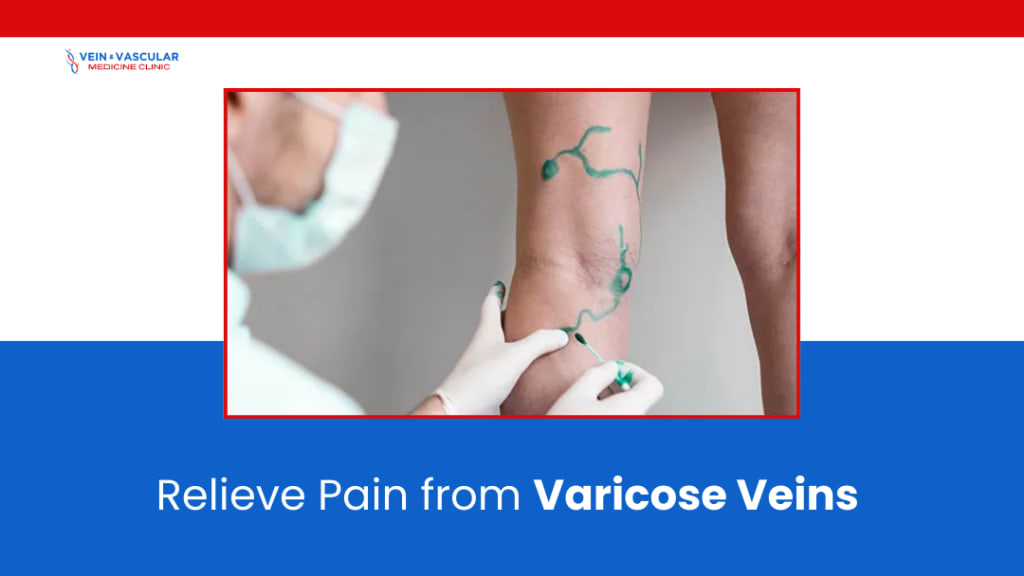
Varicose veins are a common vascular condition that affects millions of people worldwide. These swollen, twisted veins, usually found in the legs, can cause discomfort, pain, and cosmetic concerns. While lifestyle changes and non-invasive treatments can help, varicose vein surgery is often necessary for more severe cases. If you're considering varicose vein ablation surgery or another procedure, understanding the process and recovery is essential.
What is Varicose Vein Surgery?
Varicose vein surgery procedures aim to remove or close off affected veins to improve circulation and alleviate symptoms. Some common types of varicose vein treatments include:
- Varicose Vein Ablation Surgery – A minimally invasive procedure that uses heat or laser energy to close the damaged veins.
- Sclerotherapy – A solution is injected into the vein to make it collapse and fade over time.
- Vein Stripping and Ligation – Involves physically removing the affected veins through small incisions.
- Microphlebectomy – A technique where tiny incisions are made to remove smaller varicose veins.
The Varicose Vein Surgery Procedure
Most varicose vein treatments are performed on an outpatient basis and take less than an hour. Depending on the method used, the surgeon may apply local or general anesthesia. Minimally invasive procedures like varicose vein ablation surgery are preferred due to shorter recovery times and reduced discomfort.
During the procedure:
- The surgeon makes small incisions or inserts a catheter into the vein.
- Energy sources such as laser or radiofrequency are used to close off the vein.
- Over time, the body absorbs the treated vein, and blood flow is redirected to healthier veins.
Varicose Medicine and Post-Surgery Care
While surgical intervention is effective, varicose medicine plays a role in managing symptoms and aiding recovery. Medications such as pain relievers, anti-inflammatory drugs, and blood thinners may be prescribed to reduce swelling and prevent complications.
Additionally, supplements and herbal remedies like horse chestnut extract and flavonoids may help support vein health. However, it's crucial to consult a healthcare provider before taking any medication or supplement.
Recovery After Varicose Vein Surgery
The recovery process varies depending on the type of procedure performed. Here’s what you can expect:
Immediate Post-Surgery Care
- Patients are encouraged to walk immediately after the procedure to promote circulation.
- Compression stockings are recommended to reduce swelling and improve blood flow.
- Mild discomfort, bruising, and swelling are normal and subside within a few days.
First Few Weeks
- Avoid strenuous activities and heavy lifting for at least two weeks.
- Keep legs elevated while resting to minimize swelling.
- Follow up with your doctor to monitor progress and address any concerns.
Long-Term Recovery
- Most patients resume normal activities within a week, but full healing may take a few months.
- Regular exercise, a healthy diet, and weight management can prevent future vein issues.
- Continue wearing compression stockings as advised to support vein function.
Tips for a Smooth Recovery
- To enhance healing and ensure a successful recovery after varicose vein surgery, consider these tips:
- Stay Active: Light walking helps prevent blood clots and maintains circulation.
- Hydrate and Eat Well: A balanced diet rich in fiber and antioxidants supports vein health.
- Avoid Prolonged Sitting or Standing: Change positions frequently to prevent blood pooling.
- Follow Doctor’s Instructions: Adhere to post-op care guidelines for optimal results.
When to Seek Medical Attention
While complications are rare, it’s important to recognize signs that may require medical attention:
- Persistent pain or excessive swelling
- Signs of infection such as redness, warmth, or pus
- Difficulty breathing or chest pain (which may indicate a blood clot)
Final Thoughts
Varicose vein surgery can significantly improve comfort and quality of life. Whether you opt for varicose vein ablation surgery or another procedure, understanding the process and following recovery guidelines are key to achieving the best results. If you're considering treatment, consult a vascular specialist to determine the most suitable option for your condition.
About the Creator
Vein & Vascular Medicine Clinic
At Vein & Vascular Medicine Clinic in East Brunswick, NJ, we specialize in advanced treatments for varicose veins, chronic venous insufficiency, and peripheral artery disease.
Enjoyed the story? Support the Creator.
Subscribe for free to receive all their stories in your feed.
Comments
There are no comments for this story
Be the first to respond and start the conversation.