
Understanding the Impact of Allergies on Ear Health
How Allergies Can Lead to Ear Discomfort, Infections, and Hearing Issues
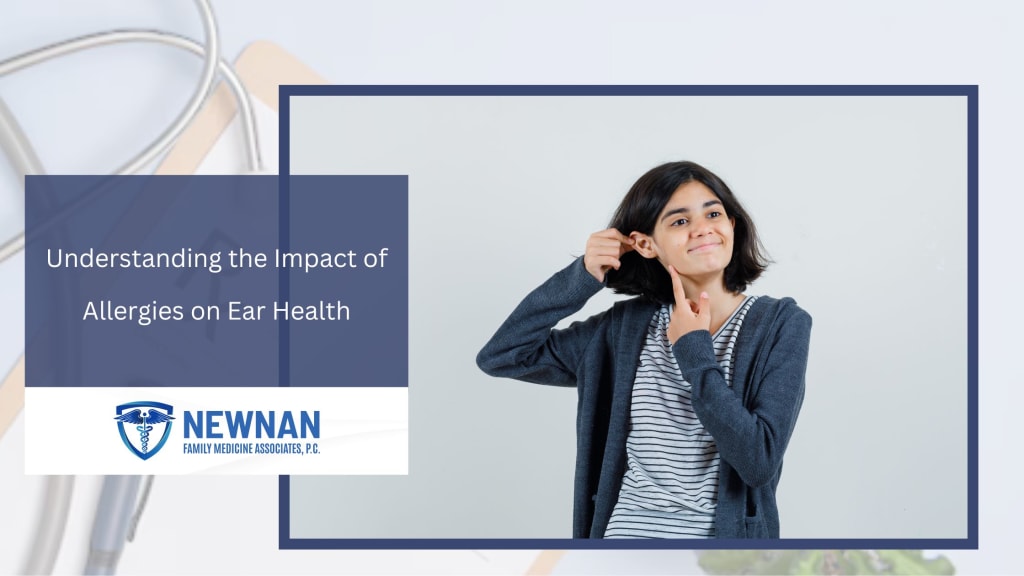
Allergies can cause a wide range of symptoms, from sneezing and congestion to watery eyes. However, one lesser-known effect of allergies is the impact they can have on ear health. Many people experience ear discomfort, itching, or a feeling of fullness in their ears during allergy season. These symptoms occur because the ears, nose, and throat are closely connected, meaning allergens that irritate the nasal passages can also affect the ears.
How Allergies Affect the Ears
When an allergic reaction occurs, the body's immune system responds by releasing histamines, leading to inflammation and increased mucus production. This can have several effects on ear health:
1. Eustachian Tube Dysfunction
The Eustachian tubes are responsible for regulating air pressure and draining fluid from the middle ear. Inflammation caused by allergies can block these tubes, leading to pressure buildup, a clogged sensation, or temporary hearing difficulties.
2. Higher Susceptibility to Ear Infections
Excess mucus caused by allergic reactions can accumulate in the middle ear, providing an environment where bacteria and viruses can thrive. This increases the likelihood of developing ear infections, especially in children.
3. Persistent Ear Itching
Allergens such as pollen, dust mites, or pet dander can trigger itching in the ear canal. While scratching may provide temporary relief, it can also lead to irritation or even infections if bacteria are introduced into the skin.
4. Dizziness and Balance Issues
The inner ear plays a crucial role in maintaining balance. When allergies cause fluid buildup in the ear, it can lead to dizziness or even vertigo, making simple activities feel disorienting.
Recognizing Allergy-Related Ear Issues
Symptoms of allergy-related ear problems may include:
- Ear fullness or pressure
- Muffled hearing
- Persistent itching
- Mild to moderate ear discomfort
- More frequent ear infections
- Dizziness or instability
- A popping or crackling sound in the ears
Strategies for Managing Allergy-Related Ear Issues
While allergies cannot always be avoided, there are steps you can take to reduce their impact on your ears.
1. Minimize Allergen Exposure
- Keep indoor air clean by using air purifiers with HEPA filters.
- Keep windows and doors closed during peak allergy seasons.
- Change clothes and shower after spending time outdoors to remove allergens.
- Regularly clean bedding and household surfaces to reduce dust mites and pet dander.
2. Nasal and Sinus Care
- Saline rinses can help clear allergens and mucus from the nasal passages, reducing congestion that may affect the ears.
- Staying hydrated helps thin mucus, making it easier for the body to drain excess fluids from the sinuses and ears.
3. Relieving Ear Discomfort
- Applying a warm compress to the ear can help reduce pressure and promote drainage.
- Chewing gum or yawning may assist in opening the Eustachian tubes, alleviating ear fullness.
- Avoid inserting objects like cotton swabs into the ears, as they can push wax and allergens deeper into the canal.
Seeking Professional Help
While many allergy-related ear issues resolve on their own, medical attention may be needed if symptoms persist or worsen. It is important to consult a healthcare professional if you experience:
- Persistent or worsening ear pain
- Hearing Loss in One Ear that does not improve
- Frequent or recurring ear infections
- Significant dizziness or balance disturbances
If allergies have led to long-term hearing difficulties, a doctor may recommend a hearing aid to help restore clarity and improve overall hearing ability.
Conclusion
Allergies can have a significant impact on ear health, leading to discomfort, infections, and balance issues. By understanding how allergies affect the ears and taking proactive measures, you can minimize symptoms and maintain better ear health throughout allergy season. If symptoms persist, seeking professional guidance can help ensure that underlying issues are properly addressed.
Disclaimer: Please note that this information is for educational purposes only. There is no patient-doctor relationship established. Please consult your healthcare provider for individualized recommendations.
About the Creator
Enjoyed the story? Support the Creator.
Subscribe for free to receive all their stories in your feed.
Comments
There are no comments for this story
Be the first to respond and start the conversation.