
Understanding Mental Well-being
What is the connection between Mental health and weight loss

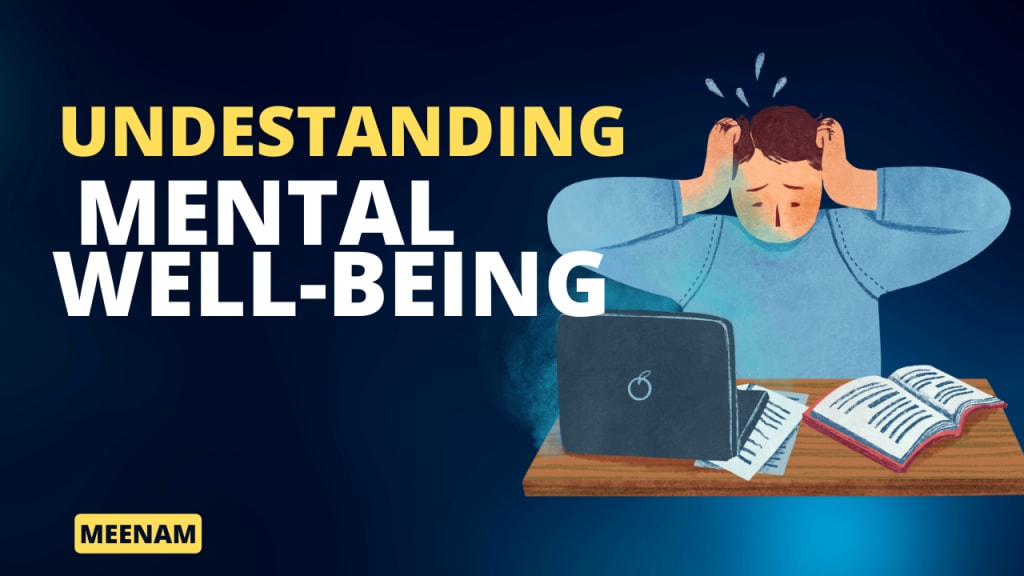
The connection between mental health and weight loss is complex and multifaceted. Mental health can significantly impact weight loss efforts, and weight loss can, in turn, influence mental well-being. Here are some key aspects of their relationship:
1. Emotional Eating: Mental health issues such as stress, anxiety, depression, or low self-esteem can contribute to emotional eating. People may turn to food as a coping mechanism, seeking comfort or distraction from negative emotions. Emotional eating can hinder weight loss efforts by leading to overeating or consuming unhealthy foods.
2. Body Image and Self-Esteem: Poor body image and low self-esteem can affect motivation and adherence to weight loss goals. Individuals who have negative perceptions of their bodies may struggle with self-acceptance and may find it challenging to maintain healthy habits. Addressing underlying body image issues and promoting positive self-esteem are essential for sustainable weight loss.
3. Stress and Hormonal Changes: Chronic stress can affect weight loss efforts. Stress triggers the release of cortisol, a hormone that can lead to increased appetite, cravings for high-calorie foods, and weight gain. Managing stress through stress reduction techniques like exercise, meditation, and self-care can positively impact both mental health and weight loss.
4. Psychological Barriers: Mental health conditions like depression, anxiety, or eating disorders can create psychological barriers to weight loss. These conditions may affect motivation, energy levels, self-discipline, and the ability to engage in healthy behaviors. It's crucial to address and manage these conditions alongside weight loss efforts.
5. Positive Feedback Loop: On the positive side, successful weight loss can improve mental well-being. Achieving weight loss goals and adopting healthier habits can boost self-confidence, improve body image, and enhance overall self-esteem. This positive feedback loop can contribute to a sense of accomplishment and increased motivation to maintain a healthy lifestyle.
6. Holistic Approach: Taking a holistic approach to weight loss that considers both physical and mental well-being is essential. It involves addressing underlying mental health concerns, seeking professional support if needed, and incorporating self-care practices that support mental and emotional well-being.
It's important to remember that weight loss is not a guaranteed solution for mental health issues, and mental health should always be prioritized alongside weight management efforts. Consulting with healthcare professionals, such as mental health professionals and registered dietitians, can provide personalized guidance and support in addressing both mental health and weight loss goals.
How mental health effect for weight loss
Mental health can have a significant impact on weight loss efforts. Here are some ways in which mental health can affect weight loss:
1. Emotional Eating: Mental health issues, such as stress, anxiety, depression, or low self-esteem, can contribute to emotional eating. People may turn to food as a way to cope with negative emotions or to seek comfort. Emotional eating often involves consuming high-calorie, unhealthy foods, which can hinder weight loss progress.
2. Motivation and Adherence: Mental health conditions can affect motivation and adherence to weight loss goals. Conditions such as depression or anxiety can decrease motivation levels, making it challenging to engage in healthy behaviors consistently. Lack of motivation may result in difficulties in following a structured diet or exercise plan.
3. Self-Image and Body Acceptance: Poor body image and low self-esteem can impact weight loss efforts. Individuals who have negative perceptions of their bodies may struggle with self-acceptance and may engage in unhealthy behaviors or extreme dieting to achieve an idealized body image. These behaviors can be detrimental to both mental health and sustainable weight loss.
4. Stress and Coping Mechanisms: Mental health conditions and stress can influence weight loss efforts. Chronic stress triggers the release of cortisol, a hormone that can increase appetite and lead to cravings for high-calorie foods. In response to stress, some individuals may turn to food as a way to cope, resulting in overeating or making poor dietary choices.
5. Medication Side Effects: Some medications used to manage mental health conditions may have side effects that can impact weight loss. For example, certain antidepressant medications can cause weight gain or affect metabolism. It's essential to discuss any potential medication-related effects on weight with a healthcare professional.
Addressing mental health concerns and adopting strategies to support mental well-being can positively impact weight loss efforts. Here are some strategies that can help:
- Seek professional support: Consult with mental health professionals, such as therapists or counselors, to address underlying mental health conditions and develop coping strategies.
- Practice stress management techniques: Engage in stress reduction techniques like exercise, meditation, deep breathing, or mindfulness to manage stress levels effectively.
- Foster a positive self-image: Focus on self-acceptance, body positivity, and practicing self-compassion. Surround yourself with positive influences and engage in activities that boost self-esteem.
- Build a support network: Seek support from friends, family, or support groups who can provide encouragement and accountability during the weight loss journey.
- Practice self-care: Prioritize self-care activities that promote mental well-being, such as getting enough sleep, engaging in hobbies, and engaging in activities that bring joy and relaxation.
Remember that seeking professional guidance and support is crucial when addressing mental health concerns and embarking on a weight loss journey. A healthcare professional, such as a registered dietitian or therapist, can provide personalized guidance to address both mental health and weight loss goals effectively.
How mindfulness help for weight loss
Mindfulness can be a valuable tool in supporting weight loss efforts. It involves being fully present and non-judgmentally aware of the present moment, including one's thoughts, feelings, bodily sensations, and the surrounding environment. When applied to weight loss, mindfulness can have several benefits:
1. Awareness of Hunger and Fullness: Mindful eating encourages paying attention to physical hunger and fullness cues. By tuning into your body's signals, you can better differentiate between physical hunger and emotional or habitual cravings. This can help you make more conscious and nourishing food choices, eat until satisfied rather than overly full, and develop a healthier relationship with food.
2. Emotional Regulation: Mindfulness can enhance emotional regulation by cultivating an attitude of non-judgment and acceptance towards one's thoughts and emotions. It can help you recognize and understand emotional triggers for overeating or making unhealthy food choices. By practicing mindfulness, you can respond to emotions more skillfully, finding alternative coping strategies rather than turning to food for comfort or stress relief.
3. Conscious Food Choices: Mindfulness encourages a deliberate and intentional approach to food choices. It promotes being fully present and engaged in the eating experience, savoring flavors, textures, and aromas. This can increase satisfaction and enjoyment from smaller portions, reducing the tendency to overeat mindlessly. Mindful eating also invites curiosity and exploration of different foods, fostering a greater appreciation for nutritious options.
4. Breaking Habitual Patterns: Mindfulness helps break automatic or unconscious eating habits. By cultivating awareness of the present moment, you can interrupt habitual responses to food triggers and make more deliberate choices. Mindfulness allows you to pause and reflect before acting, enabling you to make decisions aligned with your weight loss goals.
5. Stress Reduction: Mindfulness practices, such as meditation, deep breathing, or body scan exercises, can help reduce stress and promote overall well-being. Stress can lead to emotional eating and impulsive food choices. By managing stress through mindfulness, you can prevent or minimize its impact on your weight loss journey.
6. Body Acceptance: Mindfulness encourages acceptance and non-judgment of your body as it is in the present moment. It promotes self-compassion and a focus on overall well-being rather than solely on weight or appearance. This shift in mindset can contribute to a healthier and more sustainable approach to weight loss.
Incorporating mindfulness into your weight loss journey can be done through various practices, such as mindful eating, meditation, or body awareness exercises. It may be helpful to seek guidance from mindfulness-based programs, books, or professionals experienced in mindfulness techniques.
Remember that mindfulness is a skill that develops with practice over time. Start by integrating small moments of mindfulness into your daily routine and gradually expand from there. Patience, consistency, and self-compassion are key as you cultivate mindfulness and apply it to your weight loss efforts.
About the Creator
Meenam
Becoming a weight loss article writer is an exciting and fulfilling endeavor that allows you to inspire and empower individuals on their weight loss journey.,
Enjoyed the story? Support the Creator.
Subscribe for free to receive all their stories in your feed.
Comments
There are no comments for this story
Be the first to respond and start the conversation.