
Understanding Maxillofacial Trauma and Treatment Options in Chandigarh
Comprehensive Guide to Maxillofacial Trauma: Causes, Symptoms, and Advanced Treatment in Chandigarh

Maxillofacial trauma, also referred to as facial trauma, involves injuries to the face, jaw, mouth, and neck. Given the face's critical role in appearance and essential functions such as breathing, eating, and speaking, these injuries can have both functional and cosmetic consequences. Maxillofacial Trauma can range from minor lacerations to severe fractures, all of which require timely medical attention to prevent long-term complications. In this article, we’ll explore the causes, types, symptoms, and treatment options for maxillofacial trauma.
What is Maxillofacial Trauma?
Maxillofacial trauma refers to any injury that affects the face and neck regions. This type of trauma can involve bones, skin, muscles, and nerves, with injuries ranging from superficial wounds to deep tissue and bone damage. Because the face is vital for functions like breathing and chewing, as well as for non-verbal communication, even minor trauma can have significant effects.
Maxillofacial injuries may result in fractures, cuts, or bruising, and in severe cases, they can cause life-threatening issues like airway blockage or facial deformity. Prompt treatment is necessary to avoid permanent damage to the facial structure or function.
Causes of Maxillofacial Trauma
Several factors can contribute to maxillofacial trauma. The most common causes include:
- Motor Vehicle Accidents: Car, motorcycle, and bicycle accidents are leading causes of facial trauma. High-speed collisions often result in severe damage to the face and jaw, requiring immediate medical care.
- Sports Injuries: Contact sports such as football, rugby, and hockey, or even non-contact sports like cycling and skateboarding, frequently lead to facial injuries from falls or impacts.
- Falls: Accidental falls, especially from heights or uneven surfaces, can cause serious facial injuries, particularly among children and the elderly.
- Physical Assault: Blunt force trauma from fights or assaults, including punches, kicks, or weapons, can result in extensive facial fractures or soft tissue damage.
- Workplace Accidents: In high-risk occupations such as construction or manufacturing, accidents involving falling objects or heavy machinery can lead to significant maxillofacial injuries.
Common Types of Maxillofacial Injuries
Maxillofacial trauma can manifest in different forms, depending on the cause and severity of the injury. Common injuries include:
- Fractured Jaw: A broken jaw, also known as a mandibular fracture, can result in pain, difficulty chewing, speaking, and even breathing. Surgical intervention is often required to stabilize the bones.
- Facial Fractures: Fractures of the cheekbones, nose, or eye sockets can impair essential functions such as vision and breathing. Facial fractures can also lead to noticeable changes in appearance.
- Soft Tissue Injuries: Lacerations, bruising, and abrasions to the face, mouth, and neck can range from minor to severe, with deeper injuries potentially requiring sutures or surgery.
- Dental Trauma: Broken or dislodged teeth are common in facial injuries, often requiring dental surgery or restorative procedures.
Symptoms of Maxillofacial Trauma
The symptoms of maxillofacial trauma can vary based on the type and severity of the injury, but the most common symptoms include:
- Swelling, bruising, or discoloration around the face and jaw
- Pain or difficulty in opening the mouth or chewing
- Numbness or loss of sensation in parts of the face
- Deformity or asymmetry in facial appearance
- Difficulty breathing through the nose or mouth
- Visible cuts or lacerations on the face
- Loose or broken teeth
Severe cases may also result in vision problems, bleeding, or airway obstruction, requiring immediate medical attention.
Treatment Options for Maxillofacial Trauma
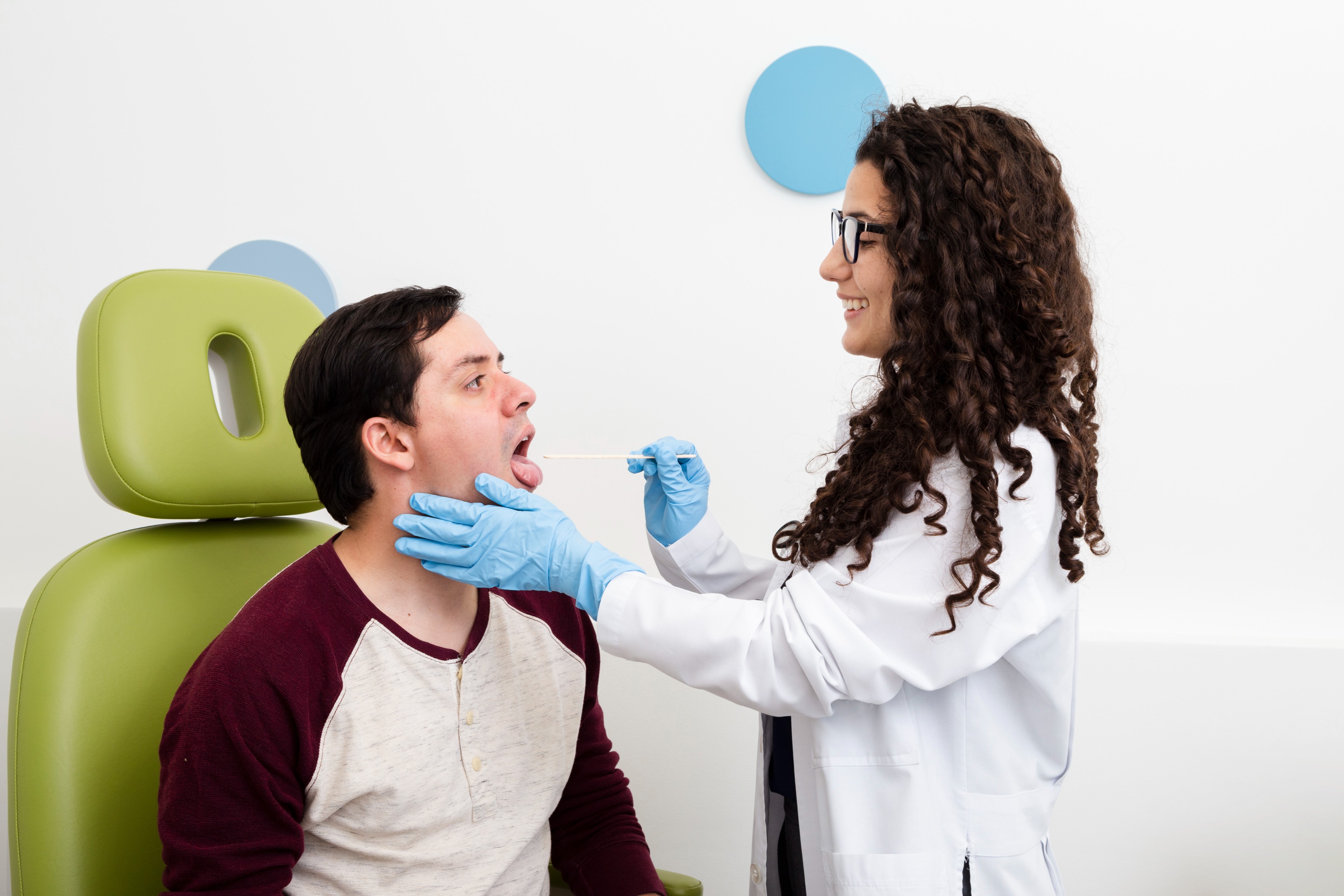
Treatment for maxillofacial trauma depends on the type and extent of the injury. Common approaches include:
- Non-Surgical Treatment: Minor injuries, such as small fractures or soft tissue damage, may be treated through immobilization, pain management, and antibiotics to prevent infection.
- Surgical Treatment: For more severe trauma, surgery is often required. This can include
- Fracture Repair: Realignment of fractured bones with the use of plates, screws, or wires to ensure proper healing.
- Reconstruction: In cases of significant bone damage, reconstructive surgery may be needed to restore both function and appearance.
- Dental Surgery: Restoring or replacing damaged or lost teeth with dental implants or other solutions.
- Rehabilitation: After surgery, patients may need physical therapy or speech therapy to restore normal function of the jaw and facial muscles.
Why Choose Face & Neck Surgery Clinic in Chandigarh for Maxillofacial Trauma Treatment?
If you are seeking treatment for maxillofacial trauma in Chandigarh, the Face & Neck Surgery Clinic should be your first choice. Specializing in both surgical and non-surgical treatments for facial injuries, the clinic offers advanced care with a team of highly experienced surgeons. Their focus is on not just treating the injury but also restoring both appearance and function, ensuring that patients recover with minimal complications.
With cutting-edge technology and a patient-centered approach, Face & Neck Surgery Clinic is the leading facility for treating all types of maxillofacial injuries in Chandigarh. Whether it's a minor laceration or a severe facial fracture, their comprehensive treatment plans will ensure the best possible outcomes for your recovery.
About the Creator
Face & Neck Surgery
At Face & Neck Surgery, we specialize in oral and maxillofacial surgery in Chandigarh, offering expert care for a variety of conditions, including facial injuries, dental implants, and jaw surgery.
Enjoyed the story? Support the Creator.
Subscribe for free to receive all their stories in your feed.
Comments
There are no comments for this story
Be the first to respond and start the conversation.