
Understanding Back Pain:
Causes, Symptoms, and When to See a Doctor
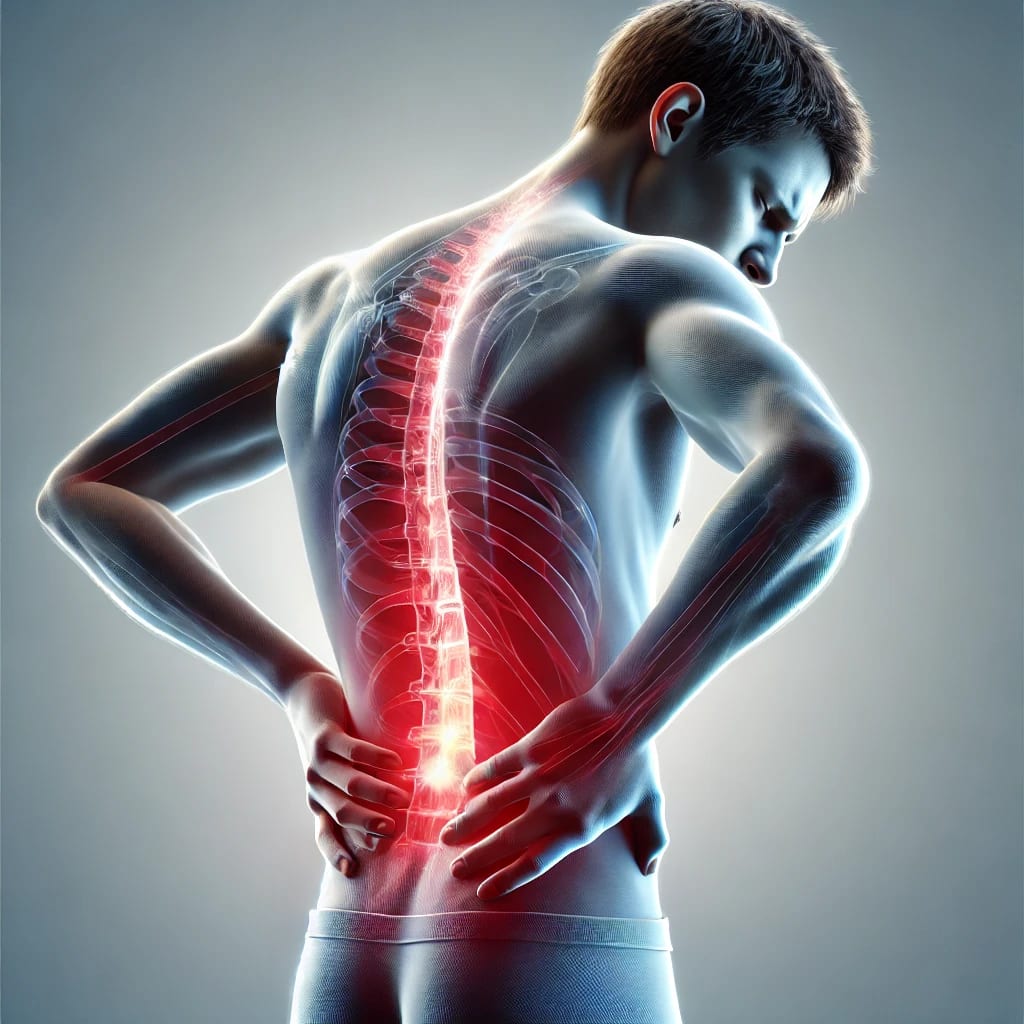
Back pain - something almost everyone experiences at some point. is among the most common health complaints globally. For some, it's a fleeting inconvenience, while for others, it becomes a chronic issue affecting daily life. Understanding the causes and symptoms of back pain can empower individuals to take proactive steps toward relief and prevention. So, let’s dive in to explore why your back might hurt, what to watch out for, and when it’s time to consult a healthcare provider.
What Is Back Pain?
Back pain refers to discomfort or pain felt anywhere along the spine, from the neck to the lower back. It can be classified as:
Acute Back Pain: Pain that lasts a few days to weeks, typically caused by injury or overuse.
Chronic Back Pain: Pain persisting for three months or longer, often linked to underlying health issues.
Whether it’s sharp and sudden or a dull, nagging ache, back pain affects each person differently.
Anatomy of the Back
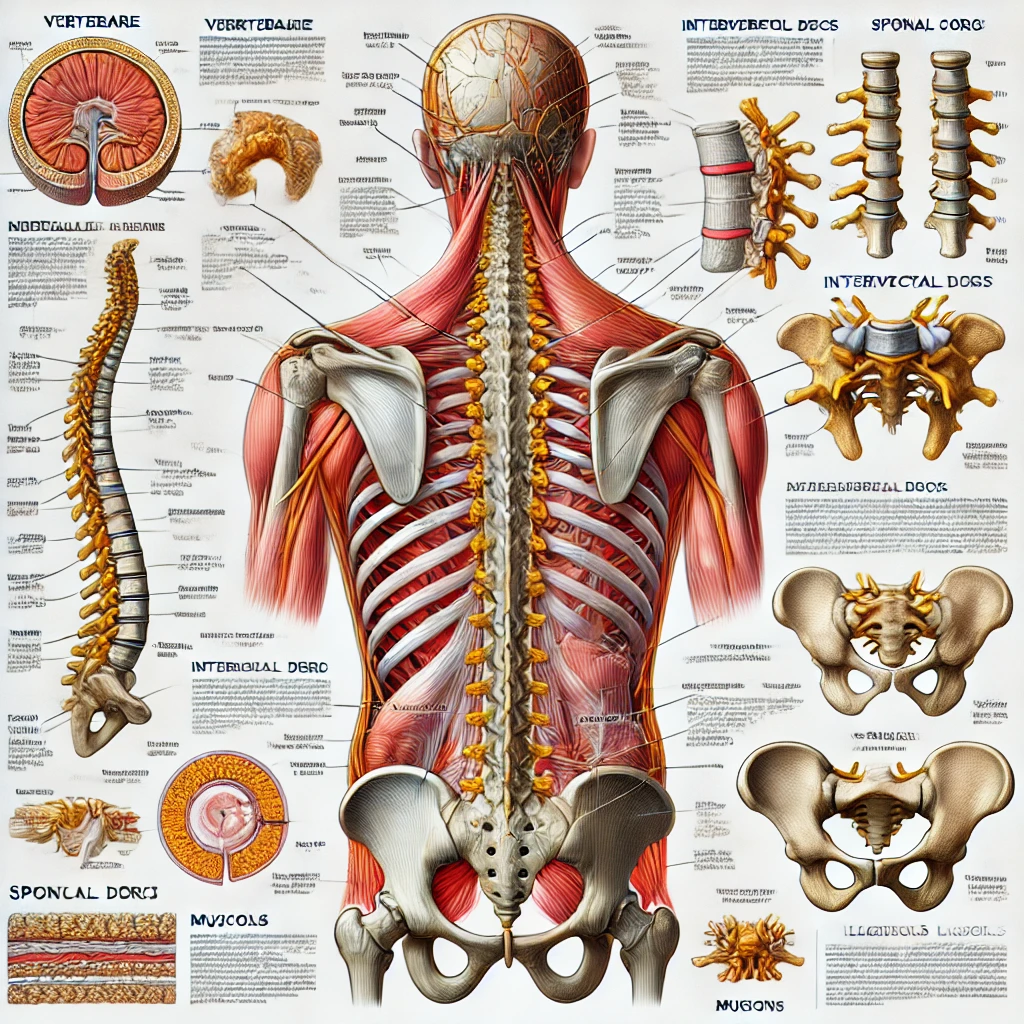
To understand back pain, you need to know how the back works. The spine is a complex structure made up of:
Vertebrae: Bones that protect the spinal cord and provide structural support.
Intervertebral Discs: Gel-like cushions between vertebrae that absorb shock.
Muscles and Ligaments: Provide mobility, stability, and strength.
When any of these components face stress, injury, or wear, back pain can occur.
Scroll down to watch the video
Common Causes of Back Pain
Lifestyle Factors:
Poor Posture: Sitting slouched over your computer or smartphone can strain your back.
Sedentary Lifestyle: Lack of physical activity weakens the back muscles, making them more prone to injury.
Injuries:
Sprains and Strains: Overstretching or tearing ligaments and muscles can result in acute back pain.
Fractures: Severe trauma from falls or accidents may cause vertebrae to break.
Medical Conditions
Herniated Discs: When the cushion-like discs between vertebrae bulge or rupture, they can irritate nearby nerves.
Osteoarthritis: Age-related wear and tear that affects the spine’s joints.
Spinal Stenosis: Narrowing of the spinal canal, causing nerve compression.
Scroll down to watch the video
Risk Factors for Back Pain
While back pain can strike anyone, certain factors increase your risk:
Age: Degenerative changes in the spine are common as we age.
Job-related Strain: Physically demanding jobs or prolonged desk work can lead to back issues.
Obesity: Extra weight strains the spine, exacerbating pain.
Symptoms of Back Pain
Back pain symptoms vary depending on the underlying cause. Common signs include:
Localized Pain: Felt in one area of the back.
Radiating Pain: Pain that travels down the legs (sciatica).
Stiffness and Limited Mobility: Difficulty bending or standing straight.
In severe cases, symptoms like numbness, tingling, or weakness in the legs may signal a serious condition.
Types of Back Pain Based on Location
Lower Back Pain: The most common type, often linked to posture, injuries, or degenerative conditions.
Middle Back Pain: Can result from poor posture or underlying conditions like scoliosis.
Upper Back Pain: Rare but typically caused by muscular irritation or structural issues.
When to See a Doctor
Some back pain resolves on its own, but there are times when professional help is crucial. Seek medical attention if:
Your pain lasts more than a few weeks.
Pain worsens over time or is severe.
You experience neurological symptoms like numbness or loss of bladder control.
Scroll down to watch the video
Diagnostic Tools and Tests
When you visit a doctor for back pain, they may use several methods to determine the cause:
Physical Examination: Checking for range of motion, muscle strength, and reflexes.
Imaging Tests:
X-rays: Reveal bone alignment and fractures.
MRI or CT Scans: Provide detailed images of soft tissues, such as discs and nerves.
Lab Tests: Used to rule out infections or conditions like arthritis that may contribute to back pain.
Accurate diagnosis is key to creating an effective treatment plan.
Treatment Options for Back Pain
The right treatment for back pain depends on its cause and severity.
Non-Surgical Approaches
Physical Therapy: Strengthening and stretching exercises tailored to improve mobility and reduce pain.
Medications:
Non-steroidal anti-inflammatory drugs (NSAIDs) to reduce inflammation.
Muscle relaxants for spasms.
Topical creams for localized relief.
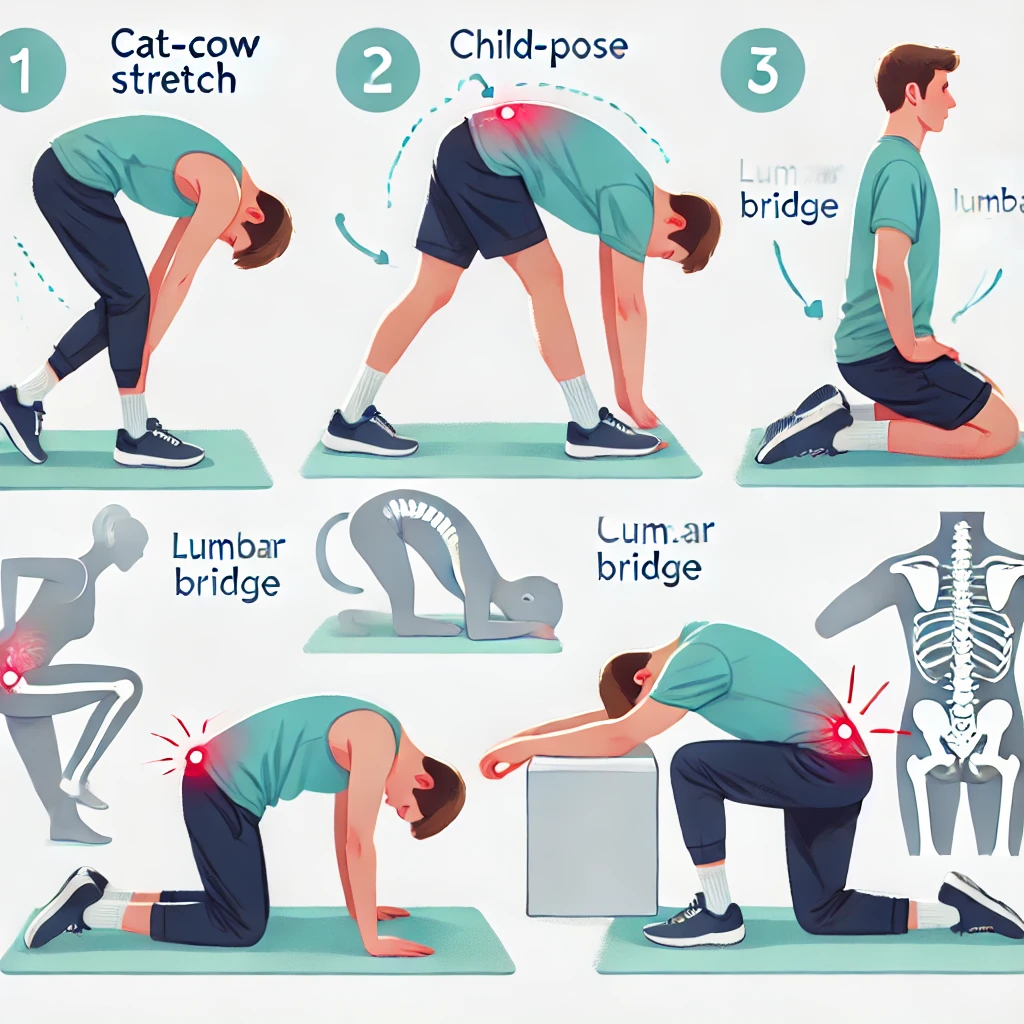
Lifestyle Changes: Addressing risk factors like posture and weight can significantly alleviate pain.
Scroll down to watch the video
Surgical Interventions
In cases where conservative treatments fail or severe conditions like herniated discs impair quality of life, surgery may be necessary. Procedures like spinal fusion or laminectomy aim to restore functionality and relieve pressure on nerves.
Lifestyle Modifications to Prevent Back Pain
An ounce of prevention is worth a pound of cure, especially for back pain. Small changes can make a big difference:
Practice Good Posture: Sit and stand with your back straight and shoulders relaxed.
Incorporate Back-friendly Exercises: Activities like swimming, yoga, or Pilates strengthen the core and support the spine.
Invest in Ergonomics: Use supportive chairs, and adjust workstations to promote proper alignment.
Managing Chronic Back Pain
Living with chronic back pain can be challenging, but managing it is possible with:
Pain Management Techniques: Hot and cold compresses, massage, and mindfulness practices.
Multidisciplinary Approach: Collaborate with doctors, physical therapists, and mental health professionals.
Consistency in Care: Stick to prescribed treatments and avoid overreliance on painkillers.
Scroll down to watch the video
The Role of Alternative Therapies
Alternative therapies can complement traditional treatments and provide additional relief:
Acupuncture: May help reduce pain by stimulating specific points on the body.
Chiropractic Care: Spinal adjustments can alleviate tension and improve alignment.
Yoga and Meditation: These promote flexibility, strength, and relaxation.
The Psychological Aspect of Back Pain
Did you know stress can make your back pain worse? Emotional factors like anxiety and depression often contribute to or exacerbate back pain. Here’s how to address the mind-body connection:
Stress Management: Deep breathing exercises, mindfulness, and hobbies can ease tension.
Seek Support: Talking to a counselor or joining support groups helps reduce feelings of isolation.
Back pain is a common problem, but it doesn’t have to define your life. By understanding its causes and symptoms, you can make informed decisions about treatment and prevention. Don’t ignore persistent or severe pain - timely intervention can save you from complications down the road. Take care of your back, and it’ll take care of you!

Please note that this article may contain affiliate links. If you click on these links and make a purchase, we may earn a small commission at no additional cost to you. These commissions help support our work and allow us to continue delivering valuable content. Thank you for your support
About the Creator
Enjoyed the story? Support the Creator.
Subscribe for free to receive all their stories in your feed.
Comments
There are no comments for this story
Be the first to respond and start the conversation.