
Understanding AFIB Heart Palpitations
Navigating the Discomfort of AFib-Related Fluttering and Racing Sensations
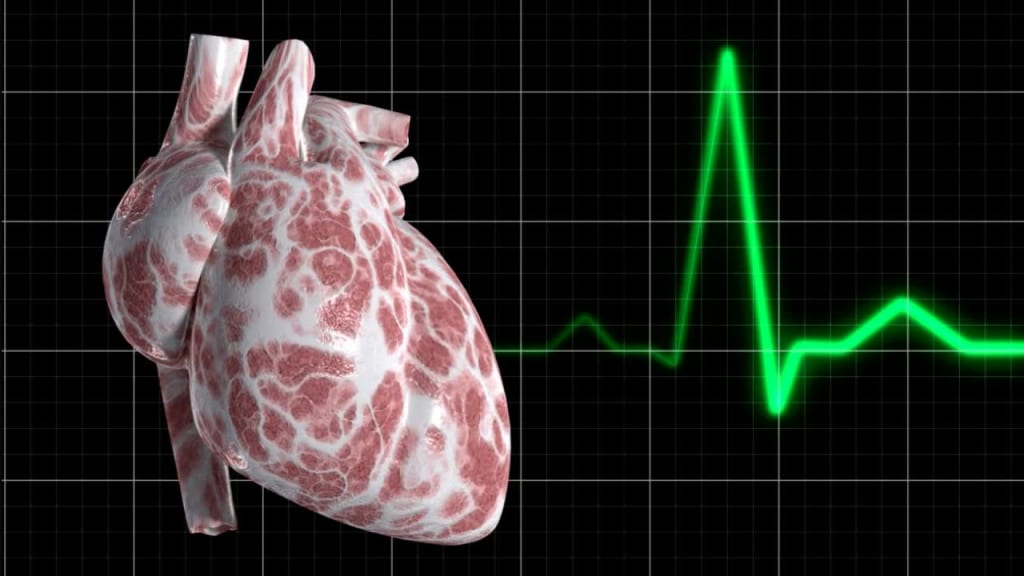
Report on Heart Palpitations in Individuals with Atrial Fibrillation (AFib)
Imagine your heart, the tireless engine in your chest, suddenly deciding to dance to its own chaotic rhythm. That's a bit what it feels like to have atrial fibrillation, or AFib, a heart condition that throws your heartbeat out of whack.
Many people with AFib experience heart palpitations – those unsettling moments when your heart seems to flutter, race, or pound like a drum. It's like your heart skips a beat, or maybe a few, leaving you feeling uneasy and out of sorts. These palpitations can be scary, no doubt, but understanding them and knowing how to manage them can make a world of difference in your life.
Understanding Heart Palpitations
You know that feeling, right? When your heart suddenly goes thump-thump-thump in your chest, like a drum solo that just won't quit? That's what people often mean when they talk about heart palpitations. It can feel like your heart is racing, pounding, or even fluttering like a butterfly trying to escape. And when it happens because of AFib, it can be really unsettling. You might even feel a bit anxious or stressed, wondering what's going on.
Sometimes these palpitations are barely noticeable, while other times they can feel really intense. It all depends on things like your age, any other heart issues you might have, how you live your life, and even what you're doing when they strike.
Mechanisms of Heart Palpitations in AFib
AFib results from disorganized electrical signals in the atria, leading to ineffective contractions and a rapid heart rate. The irregular electrical activity prevents the heart from filling completely with blood before pumping it out, which can cause a range of sensations, including:
1. **Tachycardia**: A significantly increased heart rate, often exceeding 100 beats per minute, commonly accompanies AFib, leading to feelings of racing or pounding.
2. **Atrial Chaotic Activity**: The lack of a coordinated contraction in the atria can create a fluttering sensation as the heart beats erratically.
3. **Hypoperfusion**: Reduced blood flow to the body's organs can result in sensations of lightheadedness or the feeling of the heart struggling to maintain normal rhythm.
>>Click here to download Top 10 Foods To Avoid with AFIB (FREE PDF)
Impact on Quality of Life
The experience of heart palpitations in individuals with AFib can be both unsettling and disruptive. Common impacts include:
- **Anxiety and Fear**: The sensation of a racing heart can provoke heightened anxiety or panic attacks, which may lead individuals to fear physical activity or other stressors, further compromising their quality of life.
- **Sleep Disturbances**: Many individuals report palpitations that occur at night, disrupting sleep patterns and contributing to fatigue.
- **Daily Activities**: Concerns regarding the unpredictability of palpitations may limit an individual’s engagement in work, exercise, or social activities, leading to a withdrawal from normal life.
Management of Heart Palpitations in AFib
The management of heart palpitations in individuals with AFib is multifaceted, addressing both the underlying condition and the symptoms themselves:
1. **Medication**: Anticoagulants are often prescribed to manage the risk of stroke associated with AFib, while anti-arrhythmic drugs may be used to help control heart rate and rhythm, reducing the occurrence of palpitations.
2. **Lifestyle Modifications**: Encouraging a heart-healthy lifestyle, including regular exercise, a balanced diet, stress management techniques (such as deep-breathing exercises or yoga), and the reduction of stimulants (like caffeine and nicotine), can improve symptoms.
3. **Medical Procedures**: In some cases, procedures such as catheter ablation may be recommended to restore a normal heart rhythm and alleviate the frequency of palpitations.
4. **Patient Education and Support**: Providing support and education about AFib, its symptoms, and management strategies can empower individuals to cope better with their condition, potentially reducing anxiety related to palpitations.
>>Click here to download Top 10 Foods To Avoid with AFIB (FREE PDF)
It's scary, isn't it? That feeling of your heart skipping a beat or suddenly racing like you've just run a marathon. For those of us with atrial fibrillation, heart palpitations are a constant reminder that something's not quite right. Imagine this: you're just sitting there, reading a book, when BAM—your heart goes haywire. It's unsettling, to say the least. These palpitations can really mess with your day, making it hard to focus or even just relax. But here's the good news: doctors are getting better and better at helping us manage these symptoms. By understanding how AFib affects our bodies and minds, we can work together to find the best ways to feel better and get back to living our lives to the fullest. You're not alone in this journey, and there's hope for a brighter, healthier future.
About the Creator
Enjoyed the story? Support the Creator.
Subscribe for free to receive all their stories in your feed.
Comments
There are no comments for this story
Be the first to respond and start the conversation.