
Type 2 diabetes and poor medication adherence: understanding the scale of the issue and its major causes
Type 2 diabetes (T2D) patients fail to attain appropriate glycemic control (HbA1c 7%) in at least 45% of cases. Ineffective medication adherence is one of the main causes. It is widely known that poor medication adherence is highly frequent in T2D patients and is linked to poor glycemic control, increased morbidity and mortality, and higher expenses for outpatient treatment, ER visits, hospitalization, and managing diabetic complications.Critical patient beliefs about their medications (such as perceived treatment inefficacy) are linked to poor medication adherence, as are important nonpatient factors (such as the lack of integrated care in many health care systems and clinical inertia among health care professionals), patient demographic factors (such as young age, low education level, and low income level), and perceived patient burden regarding obtaining and taking their medications (eg, treatment complexity, out-of-pocket costs, and hypoglycemia). Strategies to treat poor adherence should concentrate on minimizing medication burden and addressing patients' unfavorable medicine views. It is important to identify the specific obstacles to medication adherence in T2D, especially those that may be changeable. Innovations in behavior as well as fresh approaches to medication distribution are needed to address these issues.
Type 2 diabetes (T2D) patients fail to attain appropriate glycemic control (HbA1c 7%) in at least 45% of cases. Ineffective medication adherence is one of the main causes. It is widely known that poor medication adherence is highly frequent in T2D patients and is linked to poor glycemic control, increased morbidity and mortality, and higher expenses for outpatient treatment, ER visits, hospitalization, and managing diabetic complications.Critical patient beliefs about their medications (such as perceived treatment inefficacy) are linked to poor medication adherence, as are important nonpatient factors (such as the lack of integrated care in many health care systems and clinical inertia among health care professionals), patient demographic factors (such as young age, low education level, and low income level), and perceived patient burden regarding obtaining and taking their medications (eg, treatment complexity, out-of-pocket costs, and hypoglycemia). Strategies to treat poor adherence should concentrate on minimizing medication burden and addressing patients' unfavorable medicine views. It is important to identify the specific obstacles to medication adherence in T2D, especially those that may be changeable. Innovations in behavior as well as fresh approaches to medication distribution are needed to address these issues.
The incidence and prevalence of type 2 diabetes (T2D) are increasing globally and have reached epidemic levels (Figure 1). In fact, it is predicted that by 2035, there will be 417 million people globally who have T2D, up from 382 million in 2013. 1 Due to the high rates of morbidity and death linked to the condition, T2D accounts for the greatest budget item in many healthcare systems, which raises serious concerns. Even worse, it is commonly known that the expense burden has been steadily rising around the globe.
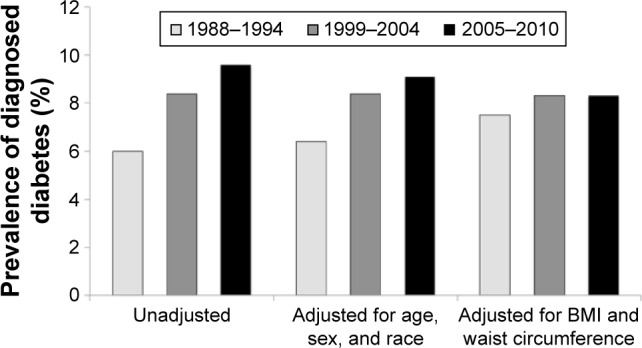
Figure 1
shows the prevalence of diabetes among persons aged 20 or older from the NHANES surveys conducted in 1988, 1994, and 1999–2010.
Body mass index and NHANES, the National Health and Nutrition Examination Survey, are both abbreviations.
Chronically poor metabolic control, particularly poor glycemic control, is a significant factor in the extraordinarily high rates of morbidity and death. The current American Diabetes Association/European Association for the Study of Diabetes (ADA/EASD) and American Association of Clinical Endocrinologists (AACE) recommendations include a wide range of treatment options for T2D, but approximately 50% of patients with T2D do not achieve adequate glycemic control (glycated hemoglobin [HbA1c] 7%). Only 55.5% of individuals in the 2009–2010 National Health and Nutrition Examination Survey met their glycemic control (HbA1c) objectives.Poor glycemic control is caused by a variety of causes, such as a lack of integrated care in many healthcare systems, clinical inertia on the part of healthcare professionals, and poor patient adherence to self-care instructions. It is clear that poor drug adherence is a major issue among them. This article looked at the severity of the issue of poor drug adherence, the effects it has on long-term outcomes and health care expenditures, and the main causes of it. The hurdles and difficulties that T2D patients and their medical professionals have when it comes to medication adherence are also examined, and prospective future strategies for improving long-term adherence and persistence are noted.
Size of the issue
The majority of the research supporting poor medication adherence in diabetes comes from retrospective or observational studies that use a wide range of categories to gather information from claim databases. Because of the vastly varied methodological techniques, the reported rate of poor drug adherence in T2D patients varies substantially from 38% to 93%. For the purposes of this paper, we concentrated on one of the most widely used metrics and definitions of adequate medication adherence, such as a medication possession ratio (MPR) of 80% during the observation. Only
Type 2 diabetes and poor medication adherence: understanding the scale of the issue and its major causes
Type 2 diabetes (T2D) patients fail to attain appropriate glycemic control (HbA1c 7%) in at least 45% of cases. Ineffective medication adherence is one of the main causes. It is widely known that poor medication adherence is highly frequent in T2D patients and is linked to poor glycemic control, increased morbidity and mortality, and higher expenses for outpatient treatment, ER visits, hospitalization, and managing diabetic complications.Critical patient beliefs about their medications (such as perceived treatment inefficacy) are linked to poor medication adherence, as are important nonpatient factors (such as the lack of integrated care in many health care systems and clinical inertia among health care professionals), patient demographic factors (such as young age, low education level, and low income level), and perceived patient burden regarding obtaining and taking their medications (eg, treatment complexity, out-of-pocket costs, and hypoglycemia). Strategies to treat poor adherence should concentrate on minimizing medication burden and addressing patients' unfavorable medicine views. It is important to identify the specific obstacles to medication adherence in T2D, especially those that may be changeable. Innovations in behavior as well as fresh approaches to medication distribution are needed to address these issues.
The incidence and prevalence of type 2 diabetes (T2D) are increasing globally and have reached epidemic levels (Figure 1). In fact, it is predicted that by 2035, there will be 417 million people globally who have T2D, up from 382 million in 2013. 1 Due to the high rates of morbidity and death linked to the condition, T2D accounts for the greatest budget item in many healthcare systems, which raises serious concerns. Even worse, it is commonly known that the expense burden has been steadily rising around the globe.
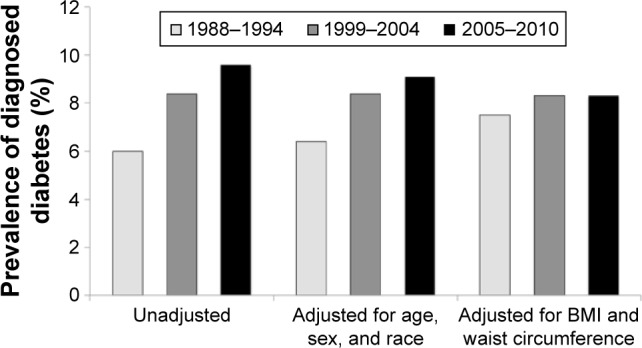
Figure 1
shows the prevalence of diabetes among persons aged 20 or older from the NHANES surveys conducted in 1988, 1994, and 1999–2010.
Body mass index and NHANES, the National Health and Nutrition Examination Survey, are both abbreviations.
Chronically poor metabolic control, particularly poor glycemic control, is a significant factor in the extraordinarily high rates of morbidity and death. The current American Diabetes Association/European Association for the Study of Diabetes (ADA/EASD) and American Association of Clinical Endocrinologists (AACE) recommendations include a wide range of treatment options for T2D, but approximately 50% of patients with T2D do not achieve adequate glycemic control (glycated hemoglobin [HbA1c] 7%). Only 55.5% of individuals in the 2009–2010 National Health and Nutrition Examination Survey met their glycemic control (HbA1c) objectives.Poor glycemic control is caused by a variety of causes, such as a lack of integrated care in many healthcare systems, clinical inertia on the part of healthcare professionals, and poor patient adherence to self-care instructions. It is clear that poor drug adherence is a major issue among them. This article looked at the severity of the issue of poor drug adherence, the effects it has on long-term outcomes and health care expenditures, and the main causes of it. The hurdles and difficulties that T2D patients and their medical professionals have when it comes to medication adherence are also examined, and prospective future strategies for improving long-term adherence and persistence are noted.
Size of the issue
The majority of the research supporting poor medication adherence in diabetes comes from retrospective or observational studies that use a wide range of categories to gather information from claim databases. Because of the vastly varied methodological techniques, the reported rate of poor drug adherence in T2D patients varies substantially from 38% to 93%. For the purposes of this paper, we concentrated on one of the most widely used metrics and definitions of adequate medication adherence, such as a medication possession ratio (MPR) of 80% during the observation .period only 59% of patients with diabetes, hypertension, and dyslipidemia had MPR values above 80%, according to a review of research. According to a MarketScan database analysis of 238,000 T2D patients, adherence rates to dipeptidyl peptidase-4 inhibitors were 47.3%, sulfonylureas were 41.2%, and thiazolidinediones were 36.7% (MPR 80%). (Figure 2). Similar to this, a recent meta-analysis of 40 trials including patients on oral antidiabetic medications discovered that medication adherence rates were subpar, with just 67.9% of patients having an MPR of 80% or above.
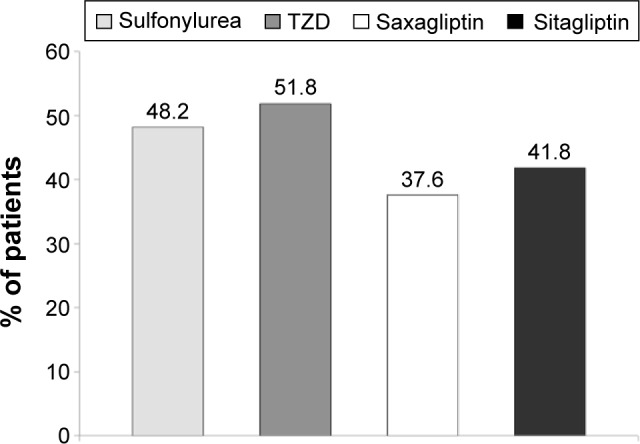
Figure 2
The percentage of patients who stopped taking oral hypoglycemic medications over a one-year follow-up after starting treatment (>60 days without medicine).
TZD, short for thiazolidinedione
Medication persistence is a different statistic that's frequently employed. Unfortunately, there is an even wider range of meanings here. Although in some studies the criterion is expanded to 60-90 days, persistence is frequently defined as no break in the delivery of prescription drugs for at least 30 days. According to some studies, persistence is determined by the percentage of patients who stop receiving treatment for any reason, including ineffectiveness, side effects, patient preferences, and other factors. The corpus of recent studies as a whole might be challenging to comprehend. In a recent meta-analysis, persistence rates varied from 41% to 81% while discontinuation rates varied from 10% to 61% throughout a 12-month follow-up in randomized therapeutic trials of individuals with T2D.In the MarketScan database, after a 1-year follow-up, 47% of 238,000 patients quit medication (last day of medicine prior to a 60-day break). A retrospective analysis of 1,321 T2D patients on liraglutide (Novo Nordisk A/S, Bagsvaerd, Denmark) found that 34% of patients were adherent (MPR 80%), while only 60% of patients were persistent with their therapy (no 90-day gap). Persistence (no 30-day gap) after a 12-month follow-up varied from 27% to 32% across 40,000 T2D patients. The total dropout rate over a 12-month period was 52.2%, according to a retrospective review of persistence (time to discontinuation prior to 60-day gap) with various oral or non-insulin injectable treatments for T2D.
Overall, research shows that troublesome medication adherence and/or persistence is far from rare in T2D and may impact at least half of the population, if not more. This is true despite the large variety of categories used in the studies. It should be noted, however, that the majority of the studies mentioned above are restricted to patients who at least had a first prescription filled for the new medicine due to the nature of claim databases. Once those who don't complete their initial prescription are taken into account, there may be a larger chance of poor drug adherence. In one research, 31.4% of new prescriptions for diabetic medications that were generated electronically during a 12-month period for more than 75,000 patients were never completed.This issue, also known as primary nonadherence, may be especially pertinent to patients who are delaying the start of insulin or other injectable hypoglycemic therapy, typically because they are afraid of needles, find it inconvenient, have poor patient-physician communication, or have negative perceptions of the treatment.
consequences of inadequate medication compliance
Poor adherence is linked to poor glycemic control, more frequent use of medical services, greater expenses, and notably higher death rates. Poor medication adherence (MPR 80%) was substantially (P 0.001) linked with poor glycemic control (HbA1c >8%) among more than 11,000 veterans with T2D who were followed up for at least five years. The Morisky Medication Adherence Scale was used in the National Health and Wellness Survey of 1,198 T2D patients, and it was discovered that each point decreased in self-reported medication adherence was linked to an increase in HbA1c of 0.21%, as well as an increase in doctor, emergency room (ER), and hospital visits of 4.6%, 20.4%, and 20.9%, respectively.
The most significant finding is that poor medication adherence in T2D has also been associated with higher mortality. In the UK, for instance, poor medication adherence and missing clinical consultations were each individually linked to a substantial (P0.001) 1.6-fold increase in all-cause deaths among 15,984 patients from general practices who were treated with an oral antidiabetic drug. Similar to this, Ho et al. 8 showed a significant relationship between short-term all-cause mortality in T2D and poor medication adherence (odds ratio 1.8; P0.001).
Last but not least, poor medication adherence drives up the expense of T2D outpatient care, ER visits, hospitalization, and T2D complication management. According to a study on medication adherence for diabetes, dyslipidemia, and hypertension, there were 230 million patients in 2010 who paid a direct cost of poor adherence of $105.8 billion, or $453 per adult. On hospital days, ER visits, and outpatient visits, the effect of medication adherence was examined using CVS Caremark's pharmacy and administrative claim databases. When MPR was 80%, it was predicted that the average annual medical expense per patient with diabetes would fall by $4,413 for all individuals and $5,170 for those 65 years of age or older.The average total annual cost per patient ranged from $4,570 to $17,338 according to a systematic review of the financial impact of medication adherence and/or persistence on the overall cost of treating type 2 diabetes, and medication adherence was inversely related to overall health care and hospitalization costs.
Costs associated with T2D healthcare might be greatly lowered with better drug adherence. The likelihood of hospitalization or ER visits was 13% lower in T2D patients who showed signs of improved medication adherence, whereas a 15% rise in hospitalization and ER visits was linked to poor adherence over time. Based on this study, it was predicted that increased adherence would result in yearly savings of $4.7 billion and decreased incidence of poor adherence would result in annual savings of $3.6 billion.compared a sizable group of adherent Veterans Administration (VA) patients (5-year MPR of 93%) with a sizable group of poorly adherent VA patients (5-year MPR of 58%) and discovered that the poorly adherent group had a 41% higher inpatient cost but a 37% lower pharmacy cost over the 5-year period (likely due to a higher use of healthcare resources). By increasing adherence in the weakly adherent group, the VA system was predicted to save $661 million to $1.16 billion annually.
Overall, it is clear that tackling poor medication adherence in the T2D population has the potential to significantly save expenditures while also enhancing patient care and outcomes.
important causes of inadequate medication adherence
Large claim databases have been used in studies to identify significant demographic characteristics that are linked to poor medication adherence in T2D, including younger age, lower education, and lower income. However, it may be more important to pinpoint those crucial elements that may be changeable. Six major criteria are identified by the data that are now available: perceived treatment effectiveness, hypoglycemia, treatment convenience and expense, medicine beliefs, and physician trust. It should be emphasized that other other variables have been discussed in the published research (such as depression, forgetfulness, and a lack of information about diabetes), but we propose that these six may be the most important and most modifiable:
1. Perceived treatment efficacy: When patients perceive that the prescribed drug is causing favorable and relatively rapid consequences, they are more inclined to stick to their pharmaceutical regimens. Indeed, it has been consistently found in several studies that medication adherence is related to perceived need across a wide range of chronic medical conditions. Patients are more likely to stick to a regimen if they feel strongly that the drug is genuinely essential.Take into account, for instance, that among 477 T2D patients beginning treatment with any new class of diabetes medication, self-reported medication adherence over 6 months was linked to greater weight loss (3 kg: 29.9% adherent vs. 24.2% poorly adherent) and a greater likelihood of achieving HbA1c goal (7.0%: 47.5% adherent vs. 32.7% poorly adherent). These findings could imply that patients' propensity to continue taking their medications in a more dependable way is influenced by their awareness that improvement is happening and that it might be at least in part because of their drugs.
2. Hypoglycemia: Patients with moderate or greater hypoglycemia symptoms showed worse medication adherence than those with no or mild symptoms, according to a cross-sectional study of T2D patients on metformin plus a sulfonylurea drug (MPR >80%: 46% vs. 67%, P0.01). In a recent survey, individuals with T2D reported hypoglycemia in 56% of cases, and their HbA1c levels were greater than those of those who did not (Figure 3). The effects of hypoglycemia-related events on expenses and discontinuation rates among 212,000 T2D patients were assessed using a claims database.Those who experienced a hypoglycemic incident throughout a 6-month period had a considerably (P0.0001) higher probability of stopping their medication than those who had no reported hypoglycemia. It is important to highlight that even a single episode of hypoglycemia can increase patients with T2D's fear of hypoglycemia, which can lead to worse medication compliance if the patient prefers to maintain higher blood glucose levels where more episodes of hypoglycemia are less likely. Of course, the medication(s) chosen will significantly affect the risk of hypoglycemia. However, even in the case of sulfonylureas, the recommended dosage may have an impact on the real risk of hypoglycemia issues,prescription mistakes, as well as how effectively or badly a patient comprehends and adheres to drug instructions.
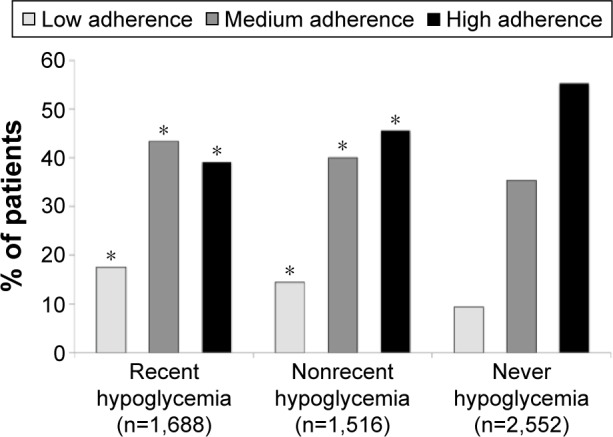
Figure 3:
According to the frequency of recent hypoglycemia episodes, the percentage of patients with poor, medium, or high adherence to anti-diabetic medication is based on the MMAS score.
3.Therapy convenience and complexity: It should come as no surprise that when a treatment is deemed to be more complicated, cumbersome, or tough, maintaining medication adherence and persistence become more difficult tasks. The number of doses recommended per day was found to be inversely related to medicine adherence in their thorough assessment of 76 research; in fact, the mean adherence across studies declined gradually from 79% with a once-day dose to 51% with a four times daily dose. These findings have been supported by a number of recent reviews, which also found that any medication regimen requiring more than once-daily dosing resulted in significantly lower adherence rates for patients with chronic diseases, including T2D (79%-94% once daily vs 38%-67% three times daily; P0.05).Recent studies indicate that, in addition to the impact of dose schedules, the total complexity of the T2D drug regimen also predicts adherence, with more complexity being associated with worse adherence. The ease of use or complexity of medicine delivery systems can also affect adherence. For instance, higher persistence and adherence, improved glycemic control, and decreased incidence of hypoglycemia were found in the insulin pen groups in retrospective studies of insulin pen vs vial and syringe use in T2D samples.
4.The cost of care. Across treatment conditions, high out-of-pocket expenses for drugs have consistently been linked to poor adherence. Poorer adherence is associated with higher out-of-pocket expenses for prescription drugs, particularly those for diabetes. For instance, Medicare Part D beneficiaries with T2D who received the low-income subsidy had greater medication adherence and had lower out-of-pocket expenses than those who did not.
5.Thoughts regarding prescription medications: A lot of patients have pronounced negative or very dubious beliefs about them, frequently worrying that any potential advantages are outweighed by the hazards over the long run. Numerous studies have looked at the effects of this "necessity-concerns framework," and while it has been found that patients' concerns about their medications are more strongly linked to adherence than their beliefs in the necessity of those very same medications, as was noted above, believing that one's medications are necessary is still associated with adherence. Such worries about the potential side effects of drugs are linked to poor adherence and unwillingness to start new treatments, including oral and injectable ones, in individuals with T2D.
6.Patient confidence in their doctor has been associated with compliance with both hypoglycemic and antidepressant drugs. In a conceptually related vein, it was discovered that the perception of "concordance" primary care patients had with their doctor—the conviction that their needs had been understood and met during office visits—predicted drug adherence over time. In a significant international study, Polonsky et al. discovered a connection between T2D patients' assessments of the general effectiveness of their doctors' communication at the time of diagnosis and adherence to the current hypoglycemic drugs. To emphasize the possible impact of patient confidence in their doctors, a small study found that among patients who report having high trust in their doctors, the link between medication adherence and out-of-pocket expenses is reduced.
Notably, despite the fact that the available data only consider the crucial importance of trust in doctors, it appears likely that trust in other important health care professionals with whom patients have regular contact may also have a similar impact on attitudes and behaviors related to medication. Therefore, we want to see more research in the future studying how medication adherence is influenced, for instance, by confidence in nurse specialists in the UK and community pharmacists in the US (whose clinical practice roles have been rising in recent years) (who play a central role in the diabetes care system of National Health Service).
These findings suggest that there are two main groups of modifiable factors influencing T2D medication adherence: treatment burden (such as complexity and convenience, out-of-pocket expenses, and risk of hypoglycemia), and treatment-related beliefs (such as perceived treatment efficacy, medication beliefs, and trust in one's healthcare providers). Therefore, it would seem plausible that successful treatments would concentrate on either one or both of these dimensions in order to overcome difficult adherence. What is understood about what actually works, though?
interventions for inadequate medication compliance
While many approaches have been developed and tested to address poor medication adherence across disease states, including educational programs, disease management programs, intensive behavioral support, medication reminders, and special packaging, it has been challenging to achieve long-term, sustained decreases in the rates of poor adherence. Similar depressing findings have come from recent research studies that primarily focused on T2D-related medication adherence strategies; in those instances where benefits are visible, the amount of intervention effects is often minor and/or of short duration.Although multifaceted interventions were found to be more effective than single-strategy approaches, and as noted in one recent review, interventions targeting medication side effects may be of particular value, a closer look at the wide variety of intervention contents revealed no single form of intervention to be consistently effective for improving adherence.
It can be challenging to identify which, if any, of the main modifiable variables are being targeted since descriptions of the individual T2D therapies are frequently imprecise. For instance, educational and/or behavioral support interventions are referred to as central pillars in the majority of adherence interventions, particularly in the complex interventions that involve multiple strategies, but it is typically not specified how these work or what barriers they are intended to address.
Overall, we hypothesize that the majority of treatments to date have mostly focused on the issue of medication behavior rather than medication attitudes, falling under the broad category of minimizing treatment burden. As a matter of fact, we are not aware of any study that has specifically looked at the possible effects of treating dysfunctional medical beliefs, treatment effectiveness perceptions, or any other component of patients' treatment-related beliefs. Better physician communication about the benefits and risks of treatment, attending to patients' treatment concerns, participating in shared decision-making, and offering and/or supporting self-management training may be some of the keys to future advancements in combating problematic medication adherence, especially primary medication adherence.
Finally, it should be recognized that methodological constraints play a role in our failure to make conclusive findings on treatments. The length of follow-up is sometimes insufficient, hard outcomes (such as improvements in glycemic control) are frequently absent, treatments may not be adequately described, and assessments of adherence across studies now vary greatly. Improved study designs that can explore the viability of long-term interventions, the development of more objective adherence measures, and the inclusion of enough patients to detect improvements in clinical outcomes are all necessary for research into the causes and management of medication adherence. Measuring medication adherence more consistently is essential, which calls for better evaluation procedures and equipment.
upcoming developments
Many treatment burden concerns, such as treatment complexity, hypoglycemia, and side effects, as well as treatment belief factors, may be addressed by new treatment techniques that are currently being developed (eg, perceived treatment efficacy). New products that are administered at monthly or longer intervals will soon be available, potentially addressing some of the barriers to maintaining good medication adherence. Drugs that are administered daily or even weekly for T2D have not shown significant benefits with respect to improved adherence and persistence. Sustained administration of a treatment substance with proven effectiveness, safety, and enhanced results is one strategy. For the best possible care of diabetes,To reduce the likelihood of cessation, this medication should result in weight loss, offer sustained HbA1c level reductions, and have a benign side-effect profile. One such device, ITCA 650 (Intarcia Therapeutics, Inc., Boston, MA, USA), uses a subcutaneous osmotic micro pump to give exenatide continuously for up to a year. Patients with T2D who participated in phase III studies demonstrated strong effectiveness, tolerability consistent with the glucagon-like peptide-1 class, and 100 percent adherence.
Drug combinations may also offer another beneficial strategy by streamlining the dosing schedule using fixed-dose formulations. Retrospective investigation of individuals with T2D who were taking fixed-dose combinations against individual dose combinations revealed that the fixed-dose combination resulted in considerably (P0.001) higher adherence (57.0% vs. 50.7%) and persistence (32% vs. 27%). There are now several fixed-dose combinations of oral antidiabetic medications and insulin formulations available, and recently, the combination of liraglutide and insulin degludec was authorized in Europe and is currently awaiting clearance in the US.Other oral and injectable antidiabetic drug combinations are either authorized or in the last stages of clinical investigation (ClinicalTrials.gov). The benefit-risk ratio of fixed-dose combinations must be established, nevertheless, and there is currently scant data showing benefits in adherence with these or other combinations.
Overall, there is a chance that patients may start to weigh the inconveniences/risks of medications vs the benefits quite differently if new methods are made available that can make the process of taking medication less burdensome (or, as in the case of ITCA 650, even less apparent or noticeable) while also providing favorable outcomes (especially, long-term glycemic control and weight loss).
Despite the availability of several new drug classes, increasing patient education initiatives, and tailored therapies that address adherence, medication adherence in T2D remains low. New nonpharmacologic and pharmaceutical strategies are required to improve adherence in a clinically relevant and long-lasting manner. Innovative approaches are required to address the difficulty of treatment as well as patients' unhelpful drug-related attitudes. In order to achieve this, novel medications or dosage forms that do not require daily, weekly, or even monthly dosing should become available soon. These medications or dosage forms have the potential to significantly improve adherence, which in turn could lead to markedly improved glycemic control, fewer complications from diabetes, and lower costs and resource consumption for the healthcare system. 59% of patients with diabetes, hypertension, and dyslipidemia had MPR values above 80%, according to a review of research. According to a MarketScan database analysis of 238,000 T2D patients, adherence rates to dipeptidyl peptidase-4 inhibitors were 47.3%, sulfonylureas were 41.2%, and thiazolidinediones were 36.7% (MPR 80%). (Figure 2). Similar to this, a recent meta-analysis of 40 trials including patients on oral antidiabetic medications discovered that medication adherence rates were subpar, with just 67.9% of patients having an MPR of 80% or above.
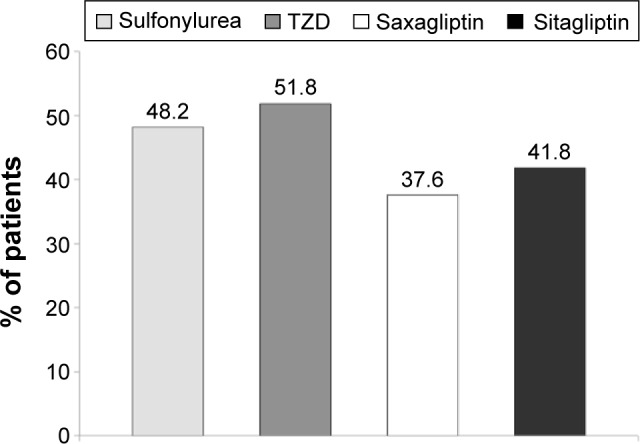
Figure 2
The percentage of patients who stopped taking oral hypoglycemic medications over a one-year follow-up after starting treatment (>60 days without medicine).
TZD, short for thiazolidinedione
Medication persistence is a different statistic that's frequently employed. Unfortunately, there is an even wider range of meanings here. Although in some studies the criterion is expanded to 60-90 days, persistence is frequently defined as no break in the delivery of prescription drugs for at least 30 days. According to some studies, persistence is determined by the percentage of patients who stop receiving treatment for any reason, including ineffectiveness, side effects, patient preferences, and other factors. The corpus of recent studies as a whole might be challenging to comprehend. In a recent meta-analysis, persistence rates varied from 41% to 81% while discontinuation rates varied from 10% to 61% throughout a 12-month follow-up in randomized therapeutic trials of individuals with T2D.In the MarketScan database, after a 1-year follow-up, 47% of 238,000 patients quit medication (last day of medicine prior to a 60-day break). A retrospective analysis of 1,321 T2D patients on liraglutide (Novo Nordisk A/S, Bagsvaerd, Denmark) found that 34% of patients were adherent (MPR 80%), while only 60% of patients were persistent with their therapy (no 90-day gap). Persistence (no 30-day gap) after a 12-month follow-up varied from 27% to 32% across 40,000 T2D patients. The total dropout rate over a 12-month period was 52.2%, according to a retrospective review of persistence (time to discontinuation prior to 60-day gap) with various oral or non-insulin injectable treatments for T2D.
Overall, research shows that troublesome medication adherence and/or persistence is far from rare in T2D and may impact at least half of the population, if not more. This is true despite the large variety of categories used in the studies. It should be noted, however, that the majority of the studies mentioned above are restricted to patients who at least had a first prescription filled for the new medicine due to the nature of claim databases. Once those who don't complete their initial prescription are taken into account, there may be a larger chance of poor drug adherence. In one research, 31.4% of new prescriptions for diabetic medications that were generated electronically during a 12-month period for more than 75,000 patients were never completed.This issue, also known as primary nonadherence, may be especially pertinent to patients who are delaying the start of insulin or other injectable hypoglycemic therapy, typically because they are afraid of needles, find it inconvenient, have poor patient-physician communication, or have negative perceptions of the treatment.
This type two diabetes solution is taking the internet by strom!
consequences of inadequate medication compliance
Poor adherence is linked to poor glycemic control, more frequent use of medical services, greater expenses, and notably higher death rates. Poor medication adherence (MPR 80%) was substantially (P 0.001) linked with poor glycemic control (HbA1c >8%) among more than 11,000 veterans with T2D who were followed up for at least five years. The Morisky Medication Adherence Scale was used in the National Health and Wellness Survey of 1,198 T2D patients, and it was discovered that each point decreased in self-reported medication adherence was linked to an increase in HbA1c of 0.21%, as well as an increase in doctor, emergency room (ER), and hospital visits of 4.6%, 20.4%, and 20.9%, respectively.
The most significant finding is that poor medication adherence in T2D has also been associated with higher mortality. In the UK, for instance, poor medication adherence and missing clinical consultations were each individually linked to a substantial (P0.001) 1.6-fold increase in all-cause deaths among 15,984 patients from general practices who were treated with an oral antidiabetic drug. Similar to this, Ho et al. 8 showed a significant relationship between short-term all-cause mortality in T2D and poor medication adherence (odds ratio 1.8; P0.001).
Last but not least, poor medication adherence drives up the expense of T2D outpatient care, ER visits, hospitalization, and T2D complication management. According to a study on medication adherence for diabetes, dyslipidemia, and hypertension, there were 230 million patients in 2010 who paid a direct cost of poor adherence of $105.8 billion, or $453 per adult. On hospital days, ER visits, and outpatient visits, the effect of medication adherence was examined using CVS Caremark's pharmacy and administrative claim databases. When MPR was 80%, it was predicted that the average annual medical expense per patient with diabetes would fall by $4,413 for all individuals and $5,170 for those 65 years of age or older.The average total annual cost per patient ranged from $4,570 to $17,338 according to a systematic review of the financial impact of medication adherence and/or persistence on the overall cost of treating type 2 diabetes, and medication adherence was inversely related to overall health care and hospitalization costs.
Costs associated with T2D healthcare might be greatly lowered with better drug adherence. The likelihood of hospitalization or ER visits was 13% lower in T2D patients who showed signs of improved medication adherence, whereas a 15% rise in hospitalization and ER visits was linked to poor adherence over time. Based on this study, it was predicted that increased adherence would result in yearly savings of $4.7 billion and decreased incidence of poor adherence would result in annual savings of $3.6 billion.compared a sizable group of adherent Veterans Administration (VA) patients (5-year MPR of 93%) with a sizable group of poorly adherent VA patients (5-year MPR of 58%) and discovered that the poorly adherent group had a 41% higher inpatient cost but a 37% lower pharmacy cost over the 5-year period (likely due to a higher use of healthcare resources). By increasing adherence in the weakly adherent group, the VA system was predicted to save $661 million to $1.16 billion annually.
Overall, it is clear that tackling poor medication adherence in the T2D population has the potential to significantly save expenditures while also enhancing patient care and outcomes.
important causes of inadequate medication adherence
Large claim databases have been used in studies to identify significant demographic characteristics that are linked to poor medication adherence in T2D, including younger age, lower education, and lower income. However, it may be more important to pinpoint those crucial elements that may be changeable. Six major criteria are identified by the data that are now available: perceived treatment effectiveness, hypoglycemia, treatment convenience and expense, medicine beliefs, and physician trust. It should be emphasized that other other variables have been discussed in the published research (such as depression, forgetfulness, and a lack of information about diabetes), but we propose that these six may be the most important and most modifiable:
1. Perceived treatment efficacy: When patients perceive that the prescribed drug is causing favorable and relatively rapid consequences, they are more inclined to stick to their pharmaceutical regimens. Indeed, it has been consistently found in several studies that medication adherence is related to perceived need across a wide range of chronic medical conditions. Patients are more likely to stick to a regimen if they feel strongly that the drug is genuinely essential.Take into account, for instance, that among 477 T2D patients beginning treatment with any new class of diabetes medication, self-reported medication adherence over 6 months was linked to greater weight loss (3 kg: 29.9% adherent vs. 24.2% poorly adherent) and a greater likelihood of achieving HbA1c goal (7.0%: 47.5% adherent vs. 32.7% poorly adherent). These findings could imply that patients' propensity to continue taking their medications in a more dependable way is influenced by their awareness that improvement is happening and that it might be at least in part because of their drugs.
2. Hypoglycemia: Patients with moderate or greater hypoglycemia symptoms showed worse medication adherence than those with no or mild symptoms, according to a cross-sectional study of T2D patients on metformin plus a sulfonylurea drug (MPR >80%: 46% vs. 67%, P0.01). In a recent survey, individuals with T2D reported hypoglycemia in 56% of cases, and their HbA1c levels were greater than those of those who did not (Figure 3). The effects of hypoglycemia-related events on expenses and discontinuation rates among 212,000 T2D patients were assessed using a claims database.Those who experienced a hypoglycemic incident throughout a 6-month period had a considerably (P0.0001) higher probability of stopping their medication than those who had no reported hypoglycemia. It is important to highlight that even a single episode of hypoglycemia can increase patients with T2D's fear of hypoglycemia, which can lead to worse medication compliance if the patient prefers to maintain higher blood glucose levels where more episodes of hypoglycemia are less likely. Of course, the medication(s) chosen will significantly affect the risk of hypoglycemia. However, even in the case of sulfonylureas, the recommended dosage may have an impact on the real risk of hypoglycemia issues,prescription mistakes, as well as how effectively or badly a patient comprehends and adheres to drug instructions.
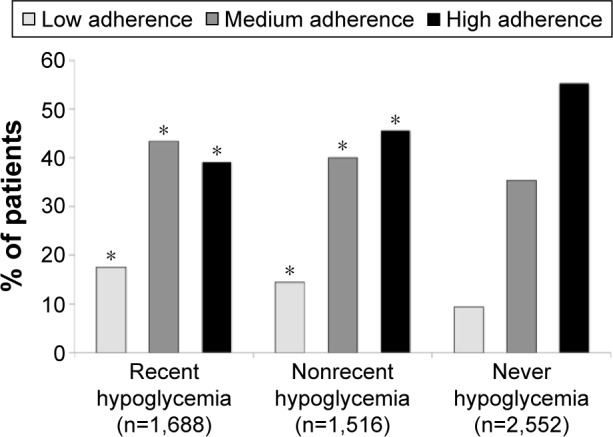
Figure 3:
According to the frequency of recent hypoglycemia episodes, the percentage of patients with poor, medium, or high adherence to anti-diabetic medication is based on the MMAS score.
3.Therapy convenience and complexity: It should come as no surprise that when a treatment is deemed to be more complicated, cumbersome, or tough, maintaining medication adherence and persistence become more difficult tasks. The number of doses recommended per day was found to be inversely related to medicine adherence in their thorough assessment of 76 research; in fact, the mean adherence across studies declined gradually from 79% with a once-day dose to 51% with a four times daily dose. These findings have been supported by a number of recent reviews, which also found that any medication regimen requiring more than once-daily dosing resulted in significantly lower adherence rates for patients with chronic diseases, including T2D (79%-94% once daily vs 38%-67% three times daily; P0.05).Recent studies indicate that, in addition to the impact of dose schedules, the total complexity of the T2D drug regimen also predicts adherence, with more complexity being associated with worse adherence. The ease of use or complexity of medicine delivery systems can also affect adherence. For instance, higher persistence and adherence, improved glycemic control, and decreased incidence of hypoglycemia were found in the insulin pen groups in retrospective studies of insulin pen vs vial and syringe use in T2D samples.
4.The cost of care. Across treatment conditions, high out-of-pocket expenses for drugs have consistently been linked to poor adherence. Poorer adherence is associated with higher out-of-pocket expenses for prescription drugs, particularly those for diabetes. For instance, Medicare Part D beneficiaries with T2D who received the low-income subsidy had greater medication adherence and had lower out-of-pocket expenses than those who did not.
5.Thoughts regarding prescription medications: A lot of patients have pronounced negative or very dubious beliefs about them, frequently worrying that any potential advantages are outweighed by the hazards over the long run. Numerous studies have looked at the effects of this "necessity-concerns framework," and while it has been found that patients' concerns about their medications are more strongly linked to adherence than their beliefs in the necessity of those very same medications, as was noted above, believing that one's medications are necessary is still associated with adherence. Such worries about the potential side effects of drugs are linked to poor adherence and unwillingness to start new treatments, including oral and injectable ones, in individuals with T2D.
6.Patient confidence in their doctor has been associated with compliance with both hypoglycemic and antidepressant drugs. In a conceptually related vein, it was discovered that the perception of "concordance" primary care patients had with their doctor—the conviction that their needs had been understood and met during office visits—predicted drug adherence over time. In a significant international study, Polonsky et al. discovered a connection between T2D patients' assessments of the general effectiveness of their doctors' communication at the time of diagnosis and adherence to the current hypoglycemic drugs. To emphasize the possible impact of patient confidence in their doctors, a small study found that among patients who report having high trust in their doctors, the link between medication adherence and out-of-pocket expenses is reduced.
Notably, despite the fact that the available data only consider the crucial importance of trust in doctors, it appears likely that trust in other important health care professionals with whom patients have regular contact may also have a similar impact on attitudes and behaviors related to medication. Therefore, we want to see more research in the future studying how medication adherence is influenced, for instance, by confidence in nurse specialists in the UK and community pharmacists in the US (whose clinical practice roles have been rising in recent years) (who play a central role in the diabetes care system of National Health Service).
These findings suggest that there are two main groups of modifiable factors influencing T2D medication adherence: treatment burden (such as complexity and convenience, out-of-pocket expenses, and risk of hypoglycemia), and treatment-related beliefs (such as perceived treatment efficacy, medication beliefs, and trust in one's healthcare providers). Therefore, it would seem plausible that successful treatments would concentrate on either one or both of these dimensions in order to overcome difficult adherence. What is understood about what actually works, though?
interventions for inadequate medication compliance
While many approaches have been developed and tested to address poor medication adherence across disease states, including educational programs, disease management programs, intensive behavioral support, medication reminders, and special packaging, it has been challenging to achieve long-term, sustained decreases in the rates of poor adherence. Similar depressing findings have come from recent research studies that primarily focused on T2D-related medication adherence strategies; in those instances where benefits are visible, the amount of intervention effects is often minor and/or of short duration.Although multifaceted interventions were found to be more effective than single-strategy approaches, and as noted in one recent review, interventions targeting medication side effects may be of particular value, a closer look at the wide variety of intervention contents revealed no single form of intervention to be consistently effective for improving adherence.
It can be challenging to identify which, if any, of the main modifiable variables are being targeted since descriptions of the individual T2D therapies are frequently imprecise. For instance, educational and/or behavioral support interventions are referred to as central pillars in the majority of adherence interventions, particularly in the complex interventions that involve multiple strategies, but it is typically not specified how these work or what barriers they are intended to address.
Overall, we hypothesize that the majority of treatments to date have mostly focused on the issue of medication behavior rather than medication attitudes, falling under the broad category of minimizing treatment burden. As a matter of fact, we are not aware of any study that has specifically looked at the possible effects of treating dysfunctional medical beliefs, treatment effectiveness perceptions, or any other component of patients' treatment-related beliefs. Better physician communication about the benefits and risks of treatment, attending to patients' treatment concerns, participating in shared decision-making, and offering and/or supporting self-management training may be some of the keys to future advancements in combating problematic medication adherence, especially primary medication adherence.
Finally, it should be recognized that methodological constraints play a role in our failure to make conclusive findings on treatments. The length of follow-up is sometimes insufficient, hard outcomes (such as improvements in glycemic control) are frequently absent, treatments may not be adequately described, and assessments of adherence across studies now vary greatly. Improved study designs that can explore the viability of long-term interventions, the development of more objective adherence measures, and the inclusion of enough patients to detect improvements in clinical outcomes are all necessary for research into the causes and management of medication adherence. Measuring medication adherence more consistently is essential, which calls for better evaluation procedures and equipment.
upcoming developments
Many treatment burden concerns, such as treatment complexity, hypoglycemia, and side effects, as well as treatment belief factors, may be addressed by new treatment techniques that are currently being developed (eg, perceived treatment efficacy). New products that are administered at monthly or longer intervals will soon be available, potentially addressing some of the barriers to maintaining good medication adherence. Drugs that are administered daily or even weekly for T2D have not shown significant benefits with respect to improved adherence and persistence. Sustained administration of a treatment substance with proven effectiveness, safety, and enhanced results is one strategy. For the best possible care of diabetes,To reduce the likelihood of cessation, this medication should result in weight loss, offer sustained HbA1c level reductions, and have a benign side-effect profile. One such device, ITCA 650 (Intarcia Therapeutics, Inc., Boston, MA, USA), uses a subcutaneous osmotic micro pump to give exenatide continuously for up to a year. Patients with T2D who participated in phase III studies demonstrated strong effectiveness, tolerability consistent with the glucagon-like peptide-1 class, and 100 percent adherence.
Drug combinations may also offer another beneficial strategy by streamlining the dosing schedule using fixed-dose formulations. Retrospective investigation of individuals with T2D who were taking fixed-dose combinations against individual dose combinations revealed that the fixed-dose combination resulted in considerably (P0.001) higher adherence (57.0% vs. 50.7%) and persistence (32% vs. 27%). There are now several fixed-dose combinations of oral antidiabetic medications and insulin formulations available, and recently, the combination of liraglutide and insulin degludec was authorized in Europe and is currently awaiting clearance in the US.Other oral and injectable antidiabetic drug combinations are either authorized or in the last stages of clinical investigation (ClinicalTrials.gov). The benefit-risk ratio of fixed-dose combinations must be established, nevertheless, and there is currently scant data showing benefits in adherence with these or other combinations.
Overall, there is a chance that patients may start to weigh the inconveniences/risks of medications vs the benefits quite differently if new methods are made available that can make the process of taking medication less burdensome (or, as in the case of ITCA 650, even less apparent or noticeable) while also providing favorable outcomes (especially, long-term glycemic control and weight loss).
This type two diabetes solution is taking the internet by storm!
Despite the availability of several new drug classes, increasing patient education initiatives, and tailored therapies that address adherence, medication adherence in T2D remains low. New nonpharmacologic and pharmaceutical strategies are required to improve adherence in a clinically relevant and long-lasting manner. Innovative approaches are required to address the difficulty of treatment as well as patients' unhelpful drug-related attitudes. In order to achieve this, novel medications or dosage forms that do not require daily, weekly, or even monthly dosing should become available soon. These medications or dosage forms have the potential to significantly improve adherence, which in turn could lead to markedly improved glycemic control, fewer complications from diabetes, and lower costs and resource consumption for the healthcare system.
About the Creator
Enjoyed the story? Support the Creator.
Subscribe for free to receive all their stories in your feed.
Comments
There are no comments for this story
Be the first to respond and start the conversation.