
Treatment of Varicose Veins
The treatment for varicose veins varies from self-care and non-invasive options to more advanced medical procedures, based on the severity of the condition.
Treatment of varicose veins ranges from self-care and non-invasive therapies to more advanced medical procedures, depending on the severity of the condition. Here’s an overview of different treatment options:
Self-Care and Lifestyle Changes
Exercise Regularly: Physical activity, especially walking, promotes healthy blood circulation in your legs.
Elevate Your Legs: Whenever possible, elevate your legs above the level of your heart to improve circulation and reduce pressure on the veins.
Avoid Prolonged Standing or Sitting: Take regular breaks to move around and avoid sitting or standing in one position for too long.
Weight Management: Maintaining a healthy weight reduces pressure on the veins and can improve the appearance of varicose veins.
Compression Stockings: Wearing compression stockings helps squeeze your legs, promoting better blood flow and preventing the progression of varicose veins. They are a first-line treatment for mild cases.
Medical Treatments
Sclerotherapy
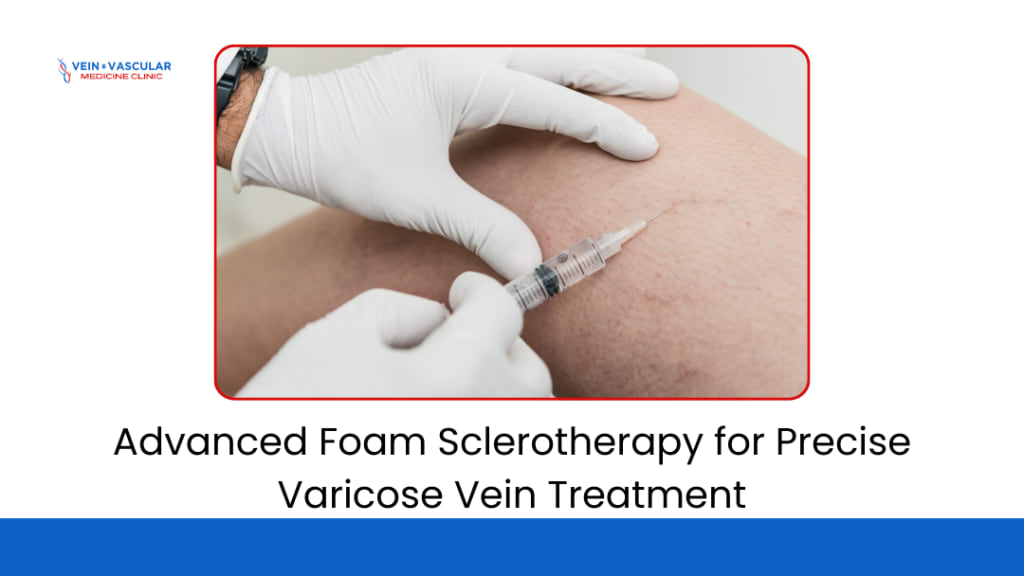
Procedure: A doctor injects a solution directly into the vein, which causes it to scar and close. The collapsed vein eventually fades. This is effective for smaller varicose veins and spider veins.
Recovery: Minimal downtime is required, and multiple treatments may be necessary.
Side Effects: Temporary discomfort, bruising, and slight swelling at the injection site.
Laser Treatment
Procedure: Laser treatment uses focused light energy to heat and close off smaller varicose and spider veins. This is done externally for small veins, with no need for incisions.
Recovery: There is no downtime, and results are visible gradually.
Side Effects: Some mild skin irritation or discoloration might occur.
Radiofrequency or Laser Ablation
Procedure: A catheter is inserted into the vein, and radiofrequency or laser energy is applied to heat the vein from the inside, causing it to collapse and seal shut. This is effective for larger varicose veins.
Recovery: This minimally invasive procedure has a short recovery time, with most patients resuming normal activities within a day.
Side Effects: Temporary discomfort, swelling, or bruising.
Ambulatory Phlebectomy
Procedure: Small punctures are made in the skin to remove superficial varicose veins. It is often used for larger veins near the surface of the skin.
Recovery: This procedure is minimally invasive, and recovery is quick.
Side Effects: Temporary bruising, swelling, or scarring.
Endoscopic Vein Surgery
Procedure: Used in more severe cases, a small camera is inserted into the vein, and the vein is then closed and removed through small incisions. This is usually reserved for cases where varicose veins cause ulcers.
Recovery: This is a more invasive procedure, so recovery may take a little longer than less invasive options.
Side Effects: Potential for infection, scarring, or bleeding.
Vein Stripping and Ligation
Procedure: This involves tying off and removing a long vein in your leg. It’s usually done under general anesthesia and is less common nowadays due to the availability of less invasive options.
Recovery: A longer recovery period compared to other treatments. Patients may need to limit activities for a few weeks.
Side Effects: Pain, bruising, scarring, and, in rare cases, deep vein thrombosis (DVT).
Other Techniques
Foam Sclerotherapy: For larger varicose veins, a foam solution is injected into the vein to block blood flow and collapse the vein. This can be done in-office, and multiple treatments may be required.
Transilluminated Powered Phlebectomy: A special light is used to visualize veins beneath the skin, which are then removed through small incisions.
Alternative Therapies
Herbal Supplements: Some people use supplements like horse chestnut extract or grape seed extract to improve circulation and reduce symptoms, but these should be used under medical guidance, as they may interact with other medications.
Massage and Compression Therapy: Some alternative therapies focus on improving circulation through regular massage or specialized compression techniques.
Post-Treatment Care
Wear Compression Stockings: After any vein treatment, wearing compression stockings helps with healing and improves circulation.
Maintain a Healthy Lifestyle: Continue exercising, elevating your legs, and maintaining a healthy weight to prevent recurrence.
Regular Check-Ups: Keep regular follow-up appointments with your doctor to monitor your condition and catch any new varicose veins early.
When to See a Doctor
If you experience pain, swelling, or ulcers, or if varicose veins are affecting your quality of life, it’s important to see a healthcare provider to discuss treatment options.
With these treatment options, varicose veins can be managed effectively, improving both the appearance and health of your legs.
Content Source: https://www.veinvascularclinic.com/blog/treatment-of-varicose-veins/
About the Creator
Vein & Vascular Medicine Clinic
At Vein & Vascular Medicine Clinic in East Brunswick, NJ, we specialize in advanced treatments for varicose veins, chronic venous insufficiency, and peripheral artery disease.
Enjoyed the story? Support the Creator.
Subscribe for free to receive all their stories in your feed.
Comments
There are no comments for this story
Be the first to respond and start the conversation.