
Top 5 Germ-Free Habits to Practice Every Day for Seniors: How to Skip the Germs and Stay Healthy
Simple Steps to Keep You and Your Loved Ones Safe from Harmful Germs

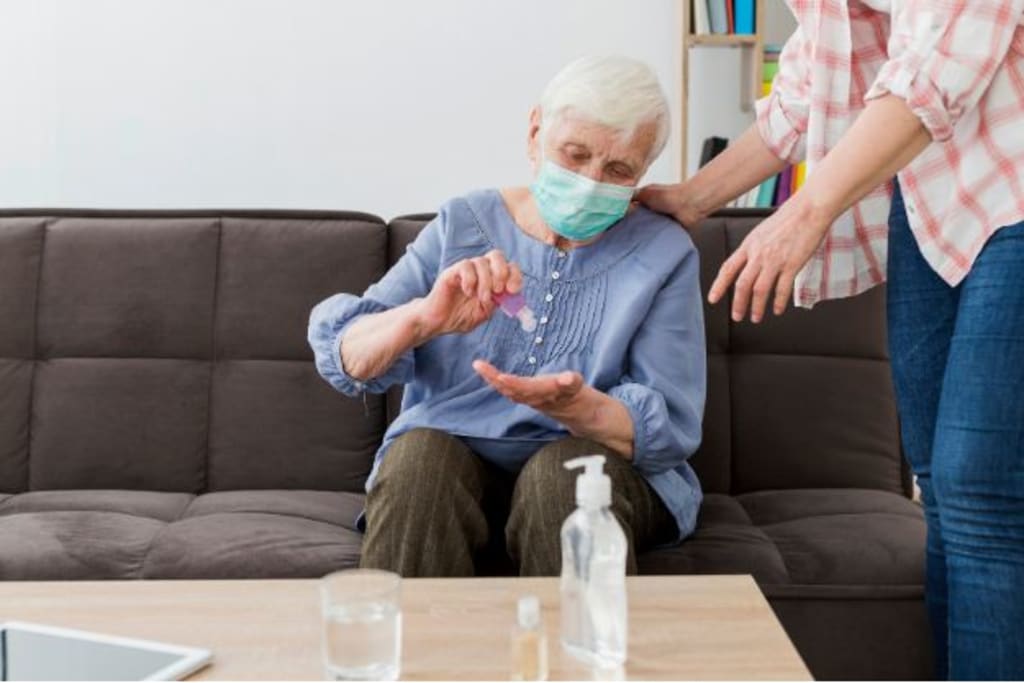
As we age, our immune systems naturally weaken, making seniors more vulnerable to illnesses and infections caused by germs. Maintaining a healthy lifestyle and adopting specific habits to avoid germs is crucial for elderly care. By practicing these germ-free habits, seniors can skip the germs, stay healthy, and improve their overall quality of life.
Whether you’re caring for an aging loved one or you’re a senior yourself, here are five essential habits to practice every day to ensure that you skip the germs and stay healthy.
1. Wash Hands Frequently and Properly
Handwashing is one of the most important habits in elderly care when it comes to preventing the spread of germs. The elderly are particularly susceptible to infections because their immune systems may not function as efficiently as they did in their younger years. Touching contaminated surfaces and then touching the face—eyes, nose, or mouth—can easily introduce harmful bacteria and viruses into the body.
To skip the germs, seniors should wash their hands regularly with soap and water, especially after meals, using the bathroom, or touching public surfaces like doorknobs or shopping carts. If soap and water are not available, using hand sanitizer with at least 60% alcohol is a good alternative.
Caregivers should also ensure that elderly individuals are properly washing their hands and that they have access to hand sanitizing products at all times. By creating a daily handwashing routine, seniors can reduce their risk of infections and stay healthier.
2. Disinfect High-Touch Surfaces in the Home
As seniors spend a lot of time at home, ensuring that their living environment is clean is essential in preventing germ exposure. Surfaces that are frequently touched—such as doorknobs, light switches, remote controls, and countertops—can easily collect germs and viruses. For elderly care, disinfecting these surfaces regularly helps eliminate harmful pathogens that could lead to illness.
Seniors and caregivers should make it a habit to clean high-touch surfaces in the home at least once a day using disinfectant wipes or solutions with at least 70% alcohol. Phones and tablets should also be cleaned daily, as these devices can carry a significant amount of bacteria. By maintaining a germ-free living space, you create a safer environment for seniors to live in and reduce their exposure to infections.
3. Eat a Healthy Diet to Strengthen the Immune System
A strong immune system is crucial in elderly care, as it helps protect seniors from harmful germs. The elderly are more prone to illness due to weakened immune systems, but eating a healthy diet can improve their body’s ability to fight infections and diseases.
Seniors should focus on consuming a balanced diet that includes a variety of fruits, vegetables, whole grains, lean proteins, and healthy fats. These foods are packed with essential nutrients, vitamins, and minerals that support immune function. Vitamin C-rich foods like oranges and leafy greens can help boost immune health, while zinc-rich foods like beans and nuts help enhance the body’s ability to fight off infections.
In addition to a healthy diet, seniors should drink plenty of water throughout the day to stay hydrated. Proper hydration supports the immune system and helps the body flush out toxins. By fueling the body with the right nutrients, seniors can strengthen their defenses against harmful germs and stay healthier.
4. Stay Active to Boost Immunity and Reduce Germ Exposure
Physical activity is important for seniors, not just for their overall health, but for their immune system too. Regular exercise can help seniors maintain a healthy weight, reduce stress, and improve circulation—all of which contribute to better immune function. The more active a senior is, the better their body is able to fight off germs and infections.
Encourage seniors to engage in low-impact activities such as walking, yoga, or light stretching. These exercises can help improve flexibility and mobility while boosting overall health. For those with limited mobility, seated exercises or chair yoga are great alternatives. Regular physical activity helps improve the immune system's ability to combat illnesses and maintain good health.
5. Prioritize Sleep and Stress Management
Sleep and stress management are critical components of elder care. Lack of sleep and high stress levels can weaken the immune system, making seniors more susceptible to infections and illnesses caused by germs. Seniors should aim to get at least 7-8 hours of restful sleep every night to allow their bodies to recharge and maintain a strong immune defense.
In addition to sleep, managing stress is crucial for elderly care. Chronic stress can impair immune function, so finding ways to relax is important. Meditation, deep breathing exercises, and spending time in nature can all help reduce stress levels. Seniors should also engage in activities they enjoy, such as reading, listening to music, or spending time with loved ones, to improve their mental and emotional well-being.
Caregivers can assist by creating a calming environment for seniors, ensuring they have a consistent bedtime routine, and helping them manage any stressors in their daily lives.
Bonus Tip: Get Vaccinated
Vaccinations are one of the best ways for seniors to protect themselves from serious illnesses. Many diseases, such as the flu, pneumonia, and shingles, can have more severe consequences for the elderly. By ensuring that seniors are up-to-date on their vaccinations, you can help them stay protected and skip the germs that cause these illnesses.
Conclusion
Seniors are at a higher risk for infections and illnesses due to their weaker immune systems, but by practicing a few simple habits every day, they can greatly reduce their chances of exposure to harmful germs. By washing hands frequently, disinfecting high-touch surfaces, eating a healthy diet, staying active, and prioritizing sleep and stress management, seniors can stay healthier and more independent.
For caregivers and families, adopting these habits as part of daily elder care routines is a great way to ensure that your aging loved ones stay protected and enjoy a better quality of life. Additionally, don’t forget the importance of regular vaccinations to safeguard against common viruses and illnesses.
By making these small but impactful changes, seniors can skip the germs and live healthier, more fulfilling lives.
About the Creator
Home care Monmouth
Assisting Hands Home Care Monmouth provides personalized and comprehensive home care services tailored to meet your needs. Whether you need in-home health care, companionship, or specialized care, we offer a wide range of services to cover
Enjoyed the story? Support the Creator.
Subscribe for free to receive all their stories in your feed.
Comments
There are no comments for this story
Be the first to respond and start the conversation.