
Top 10 Benefits of Enrolling in a Mental Health First Aid Course
Mental Health First Aid Course

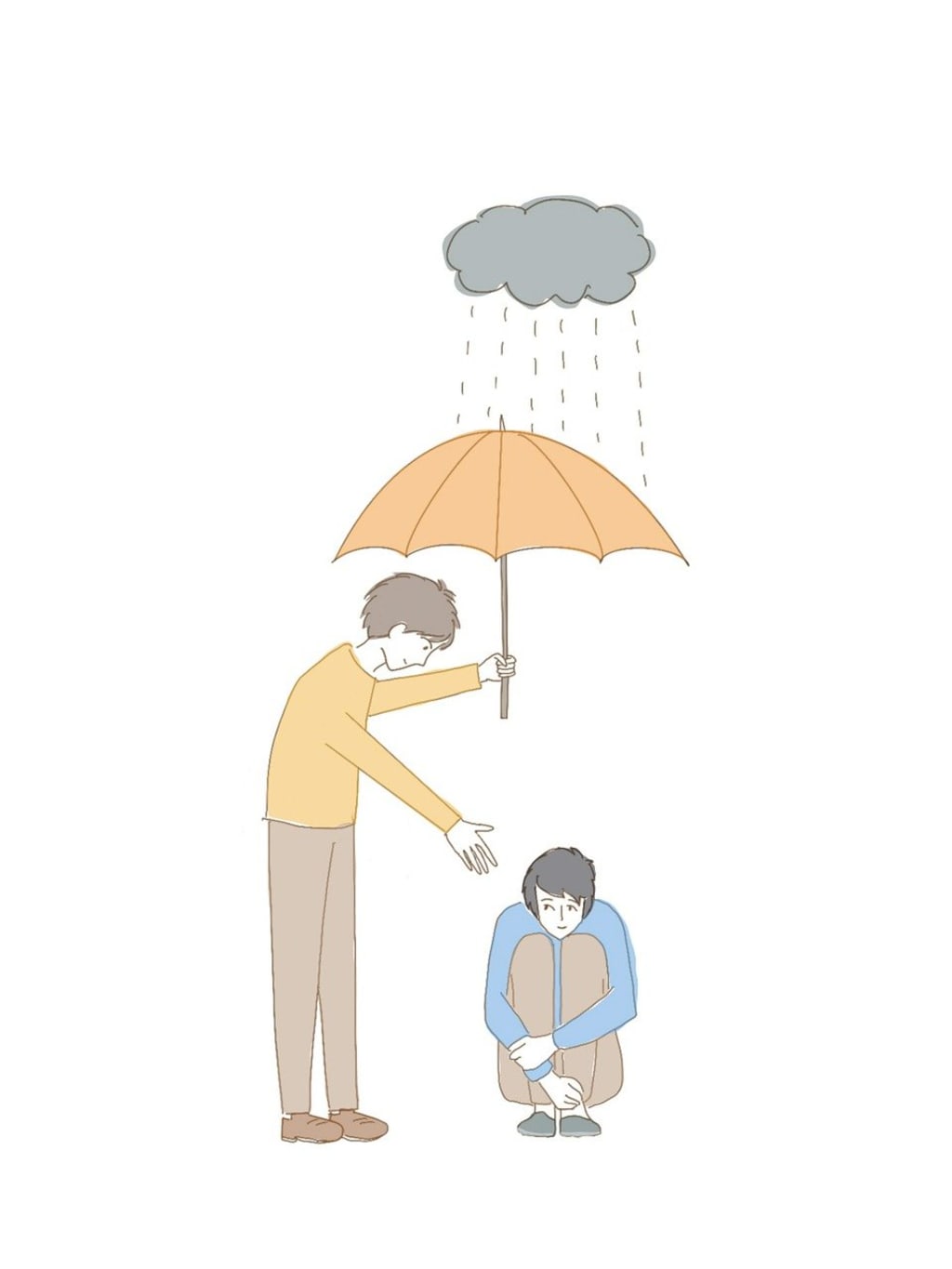
As mental health becomes an increasingly important topic in today’s society, many people are recognizing the value of being equipped to help those who may be struggling. Mental health challenges affect individuals of all ages and backgrounds, and the ability to provide immediate support can make a significant difference in someone’s life.
One of the most effective ways to gain this ability is by enrolling in a Mental Health First Aid (MHFA) course. This comprehensive training program is designed to teach individuals how to assist those experiencing mental health crises, and it offers a multitude of benefits that extend beyond the course itself. In this article, we’ll explore the top 10 benefits of enrolling in a Mental Health First Aid course.
1. Early Identification of Mental Health Issues
One of the most critical benefits of a Mental Health First Aid course is the ability to identify the early signs of mental health issues. Often, individuals experiencing mental health challenges may not recognize the symptoms themselves, or they may be reluctant to seek help due to fear of stigma. As a Mental Health First Aider, you’ll learn to recognize subtle signs that may indicate a mental health issue, such as changes in behavior, mood, or communication patterns.
Early identification is crucial because it allows for timely intervention, which can prevent the condition from escalating into a more severe crisis. By intervening early, you can encourage individuals to seek professional help, potentially averting more serious consequences.
2. Effective Crisis Management
Mental health crises can be overwhelming for both the individual experiencing them and those around them. Situations such as panic attacks, suicidal thoughts, or severe anxiety require immediate and appropriate responses.
A key component of the Mental Health First Aid course is training in crisis management. You’ll learn specific strategies for dealing with various types of mental health crises, ensuring that you can provide effective support in these critical moments.
3. Increased Confidence in Supporting Others
Many people feel a strong desire to help those who are struggling with mental health issues but lack the confidence to do so effectively. They may worry about saying the wrong thing or making the situation worse. The Mental Health First Aid course is designed to build your confidence by providing you with practical tools and techniques that you can use to support others.
4. Enhanced Communication Skills
Effective communication is at the heart of providing mental health support. The way you communicate with someone experiencing mental health challenges can significantly impact their willingness to open up and seek help. The Mental Health First Aid course emphasizes the development of strong communication skills, which are essential for building trust and rapport with those you’re supporting.
5. Stigma Reduction
Stigma remains one of the most significant barriers to mental health care. Many individuals struggling with mental health issues fear being judged or misunderstood, which can prevent them from seeking the help they need. By enrolling in a Mental Health First Aid course, you play a crucial role in reducing stigma within your community.
The course provides you with a deeper understanding of mental health conditions, debunking common myths and misconceptions. You’ll learn that mental health issues are not a sign of weakness or a character flaw but are medical conditions that require support and treatment, just like physical illnesses.
6. Improved Personal Mental Health Awareness
While the primary focus of the Mental Health First Aid course is to equip you to help others, an important secondary benefit is the improvement of your own mental health awareness. Understanding the signs and symptoms of mental health issues doesn’t just apply to those around you—it also helps you reflect on your own mental well-being.
Throughout the course, you’ll learn about common mental health conditions such as depression, anxiety, and stress, as well as their triggers and risk factors. This knowledge can help you identify when you might be experiencing these issues yourself.
7. Contribution to a Supportive Community
Communities thrive when their members are supportive and caring toward one another. By becoming trained in Mental Health First Aid, you contribute to creating a more supportive and resilient community. Your training enables you to be a resource for others, providing help and guidance when they need it most.
When more people within a community are trained in Mental Health First Aid, it creates a network of support that can have far-reaching effects. Schools, workplaces, and community organizations that encourage Mental Health First Aid training are better equipped to handle mental health challenges, leading to a more inclusive and understanding environment.
8. Enhanced Workplace Wellness
Mental health is a critical component of workplace wellness, and organizations that prioritize it see numerous benefits. By enrolling in a Mental Health First Aid course, you can play a key role in enhancing the mental well-being of your workplace, contributing to a healthier and more productive work environment.
Workplaces that encourage Mental Health First Aid training often experience reduced absenteeism and presenteeism (when employees are physically present but not fully productive due to mental health issues).
9. Lifelong Skills
The skills and knowledge gained from a Mental Health First Aid course are not just for the short term—they are lifelong skills that you can use in various situations, whether at work, at home, or in social settings. These skills empower you to be a reliable source of support for those in need and can be applied in many different contexts.
For example, if you’re a parent, the skills you learn in the course can help you support your children’s mental health as they navigate the challenges of growing up. You’ll be better equipped to recognize when they might be struggling and to have open and supportive conversations about their feelings and experiences.
10. Potential Life-Saving Knowledge
Perhaps the most crucial benefit of a Mental Health First Aid course is the potential to save lives. Mental health crises, such as suicidal thoughts or severe depression, require immediate and appropriate intervention. By recognizing the signs of a mental health crisis and knowing how to respond, you could help prevent tragedies and ensure individuals receive the help they need.
The course teaches you how to assess the risk of suicide or self-harm, how to have a conversation with someone who may be considering suicide, and how to connect them with professional help. These skills are critical, as they enable you to act quickly and effectively in situations where time is of the essence.
Conclusion
Enrolling in a Mental Health First Aid course is an investment in yourself and your community. The skills and knowledge gained from the course enable you to support those struggling with mental health issues, reduce stigma, and promote a culture of understanding and acceptance. Whether for personal growth, professional development, or community service, the benefits of MHFA training are undeniable.
By becoming a Mental Health First Aider, you’re not only equipping yourself to help others—you’re also contributing to a broader movement toward mental health awareness and support.
About the Creator
Mavrick Wolfstien
I'm a Mental Health First Aid Instructor with a decade of experienced.
Enjoyed the story? Support the Creator.
Subscribe for free to receive all their stories in your feed.
Comments
There are no comments for this story
Be the first to respond and start the conversation.