
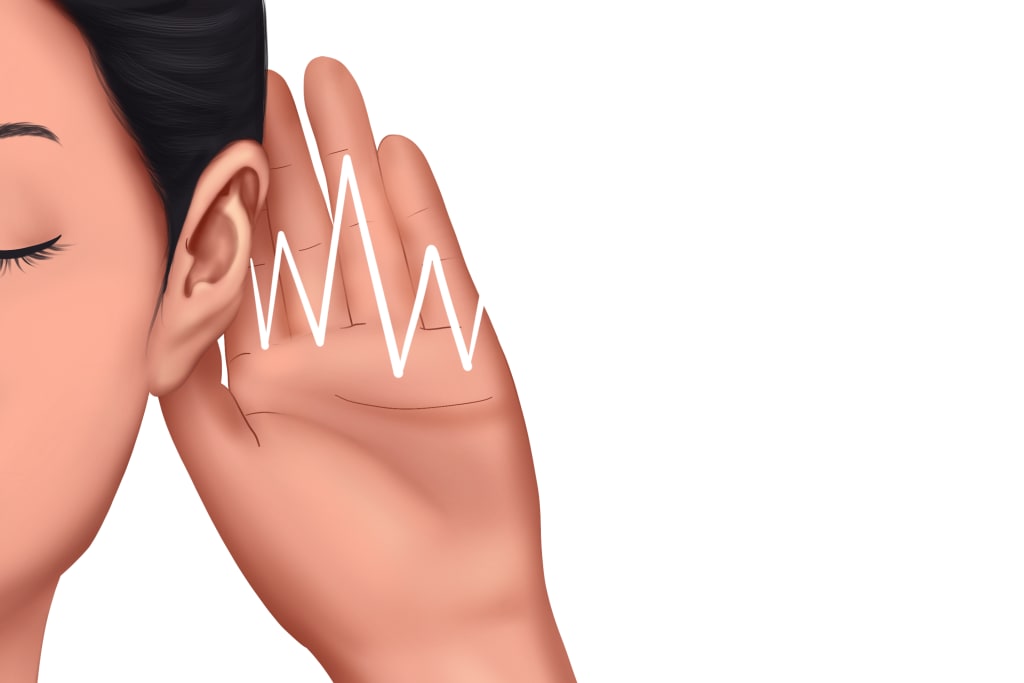
Tinnitus is a condition characterized by ringing, buzzing, or whistling sounds in the ear that are not caused by an external source. It can be a temporary condition that lasts for a few minutes or a chronic problem that persists for months or even years. Despite its prevalence, the cause of tinnitus remains poorly understood, and there is no cure for this condition. However, there are several treatments available that can help manage the symptoms and improve quality of life.
What is Tinnitus?
Tinnitus is a condition where an individual perceives sound in the absence of an external source. The sound can be a ringing, buzzing, whistling, or hissing noise that can be heard in one or both ears. It is a subjective condition, meaning that only the person experiencing it can hear the sound. The severity of tinnitus can range from mild to severe, and it can have a significant impact on an individual's daily life, including sleep, work, and social activities.
What Causes Tinnitus?
There are several factors that can contribute to the development of tinnitus. Some of the most common causes include:
- Hearing Loss: Age-related hearing loss, exposure to loud noise, and certain medications can cause permanent damage to the hair cells in the inner ear, leading to hearing loss and tinnitus.
- Inner Ear Disorders: Tinnitus can also be a symptom of inner ear disorders such as Meniere's disease, vestibular neuritis, and labyrinthitis. These disorders cause a buildup of fluid in the inner ear, leading to tinnitus and hearing loss.
- Ear Infections: Acute ear infections or chronic ear infections can cause tinnitus by inflamed the middle ear or causing fluid buildup.
- Head and Neck Injuries: Trauma to the head and neck can cause tinnitus by damaging the auditory nerve or causing swelling in the ear.
- Cardiovascular Diseases: Tinnitus can also be a symptom of cardiovascular diseases such as high blood pressure and atherosclerosis.
- Stress: Stress and anxiety can trigger tinnitus or worsen existing symptoms.
- Certain Medications: Some medications, such as aspirin, antibiotics, and chemotherapy drugs, can cause tinnitus as a side effect.
Diagnosis and Treatment of Tinnitus
The first step in diagnosing tinnitus is to undergo a thorough medical evaluation. Your doctor may perform a physical examination and ask about your symptoms, medical history, and exposure to loud noises. They may also conduct a hearing test to determine if you have any underlying hearing loss.
Once the cause of tinnitus is determined, treatment can be started. In some cases, treating the underlying cause, such as an ear infection or medication side effect, can resolve the tinnitus. In other cases, tinnitus can be managed through the following methods:
- Sound Therapy: This involves using sound to mask the tinnitus and provide relief from the symptoms. Sound therapy can include white noise machines, music, or nature sounds.
- Cognitive-behavioral therapy: This type of therapy can help individuals manage the emotional and psychological effects of tinnitus by teaching coping skills and relaxation techniques.
- Medications: Some medications, such as antidepressants and anti-anxiety drugs, can help reduce the symptoms of tinnitus.
- Tinnitus Retraining Therapy: This therapy involves using sound therapy and counseling to retrain the brain to ignore the tinnitus.
- Surgery: In some cases, surgery may be recommended to treat the underlying cause of tinnitus, such as removing a benign tumor or repairing a damaged blood vessel that is contributing to the symptoms.
- Alternative Therapies: Some individuals may find relief from tinnitus through alternative therapies such as acupuncture, herbal remedies, and nutritional supplements. However, it is important to note that the effectiveness of these treatments has not been scientifically proven.
Prevention of Tinnitus
There are several steps that can be taken to prevent tinnitus or reduce the risk of developing this condition:
- Protect your hearing: Avoid exposure to loud noises and use earplugs or other protective devices when necessary.
- Maintain a healthy lifestyle: A healthy diet, regular exercise, and stress management techniques can help prevent tinnitus.
- Avoid certain medications: If you are taking a medication that is known to cause tinnitus as a side effect, talk to your doctor about switching to a different medication.
- Avoid excessive alcohol consumption: Excessive alcohol consumption can worsen tinnitus symptoms.
- Get regular check-ups: Regular check-ups with your doctor can help detect and treat any underlying medical conditions that may be contributing to your tinnitus.
In conclusion, tinnitus is a common condition that can have a significant impact on an individual's quality of life. Although there is no cure for tinnitus, there are several treatments available that can help manage the symptoms and improve quality of life. By seeking prompt medical attention and taking steps to prevent tinnitus, individuals can reduce the risk of developing this condition and improve their overall health and wellbeing.
About the Creator
Enjoyed the story? Support the Creator.
Subscribe for free to receive all their stories in your feed.
Comments
There are no comments for this story
Be the first to respond and start the conversation.