
The Unlimited Guide to Pediatric Dental Care for Parents
Pediatric Dental Care
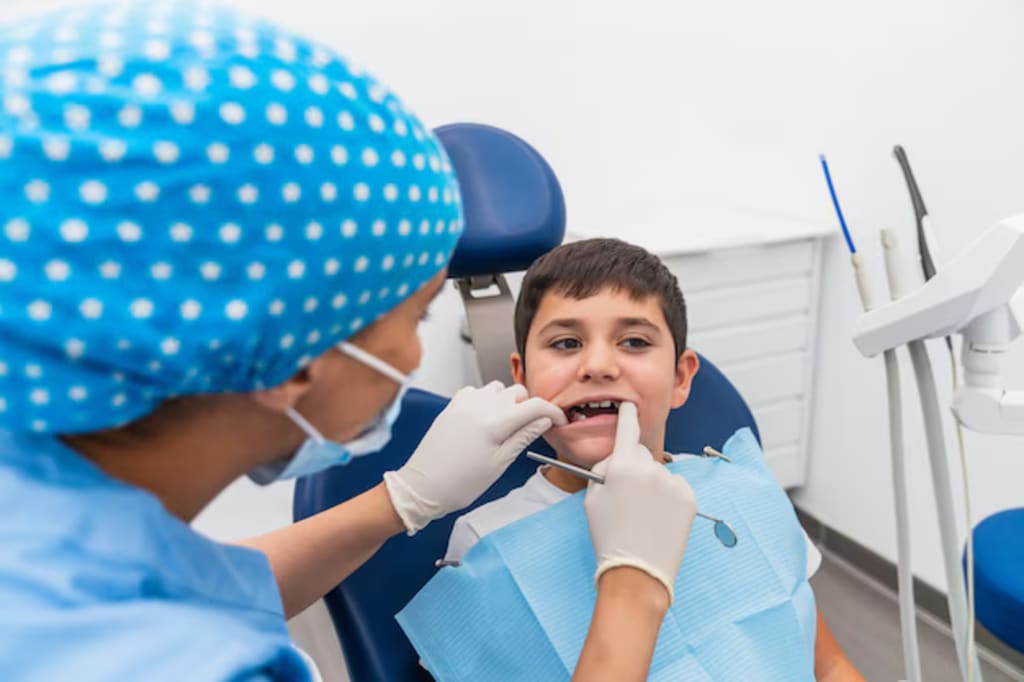
When it comes to the health and well-being of children, parents often prioritize nutrition, exercise, and regular check-ups. However, one crucial aspect that can easily be overlooked is pediatric dental care. Understanding how to properly care for a child's teeth from a young age can set the stage for a lifetime of good oral health. This guide aims to provide parents with essential insights into pediatric dental care, ensuring that they are well-equipped to maintain their child's dental hygiene.
Understanding the Importance of Early Dental Visits
Parents may wonder when is the right time to take their child to the dentist. The American Academy of Pediatric Dentistry recommends that children have their first dental visit by their first birthday or within six months after their first tooth erupts. This early visit is vital for several reasons. Firstly, it allows the dentist to assess the child's oral development and address any potential issues before they become more serious. Early exposure to the dental environment can also help reduce anxiety associated with dental visits, fostering a positive attitude towards oral care.
During these initial visits, the dentist will not only check for cavities and other dental problems but also educate parents on proper oral hygiene practices. This includes guidance on how to effectively brush and floss a child's teeth, as well as dietary recommendations to promote healthy teeth and gums. By taking these proactive steps early on, parents can help their children avoid common dental issues, such as cavities and gum disease, later in life.
Establishing Healthy Oral Hygiene Routines
Creating a consistent oral hygiene routine is essential for maintaining a child's dental health. Parents should begin cleaning their child's mouth even before teeth emerge. Using a soft, damp cloth to wipe the gums can help remove bacteria and establish a habit of cleanliness. Once the first tooth appears, it is time to introduce a small, soft-bristled toothbrush. Parents should use a tiny amount of fluoride toothpaste—about the size of a grain of rice—until the child is three years old. After that, a pea-sized amount is appropriate.
As children grow, it’s important to teach them how to brush their teeth effectively. Parents can demonstrate proper brushing techniques, emphasizing the need to brush for at least two minutes twice a day. Additionally, teaching children to floss once their teeth start to touch can help prevent cavities between teeth, an area often neglected in young children. Making oral care fun—through songs, games, or brushing charts—can encourage children to take an active role in their dental hygiene.
Nutrition's Role in Dental Health
Diet plays a significant role in a child's dental health. Parents should be aware that certain foods can contribute to tooth decay. Sugary snacks and beverages, such as candies, sodas, and fruit juices, can lead to cavities if consumed frequently or if oral hygiene is not maintained. Instead, parents should encourage a balanced diet rich in fruits, vegetables, whole grains, and dairy products. Foods like apples, carrots, and cheese are not only nutritious but can also promote oral health by helping to clean teeth and stimulate saliva production.
It's also important for parents to establish regular meal and snack times. Grazing throughout the day can increase the chances of cavities, as the teeth are more frequently exposed to sugar and acids. By providing structured meal times and healthy snacks, parents can help minimize the risk of dental issues. Furthermore, encouraging children to drink water—especially fluoridated water—can aid in washing away food particles and bacteria, contributing to overall oral hygiene.
Addressing Common Pediatric Dental Issues
As children grow and develop, they may encounter various dental issues that require attention. One common problem is early childhood caries, often known as baby bottle tooth decay. This condition can occur when a child is put to bed with a bottle filled with sugary liquids. The prolonged exposure to sugars can lead to severe tooth decay. Parents should avoid giving children sugary drinks in bottles and instead encourage the use of a regular cup at an early age.
Another issue parents may face is thumb-sucking, a natural behavior for many infants and toddlers. While it typically does not pose a problem in early childhood, persistent thumb-sucking beyond the age of four can lead to dental misalignment. Parents can gently encourage their children to stop this habit through positive reinforcement and distraction techniques.
The Role of Regular Dental Check-Ups
Regular dental visits are crucial for monitoring a child's oral health. Most pediatric dentists recommend check-ups every six months. These visits allow for professional cleanings and the opportunity to catch any emerging dental problems early on. The dentist can also provide fluoride treatments and dental sealants, which can significantly reduce the risk of cavities in young children.
In addition to the physical check-up, these visits serve as an opportunity for education. Dentists can provide tailored advice based on a child's specific needs, ensuring that parents are equipped with the knowledge to support their child's dental care at home. By fostering an ongoing relationship with a pediatric dentist, parents can help ensure their child’s dental health remains a priority throughout their formative years.
In summary, pediatric dental care is not merely about addressing issues as they arise but also about establishing a foundation for lifelong oral health. By prioritizing early dental visits, creating effective oral hygiene routines, promoting healthy eating habits, and maintaining regular check-ups, parents can significantly contribute to their child's well-being. Committing to these practices can help children enjoy bright, healthy smiles for years to come.
About the Creator
Enjoyed the story? Support the Creator.
Subscribe for free to receive all their stories in your feed.
Comments
There are no comments for this story
Be the first to respond and start the conversation.