
The Ultimate Keto Meal Plan
best ways to loose weight
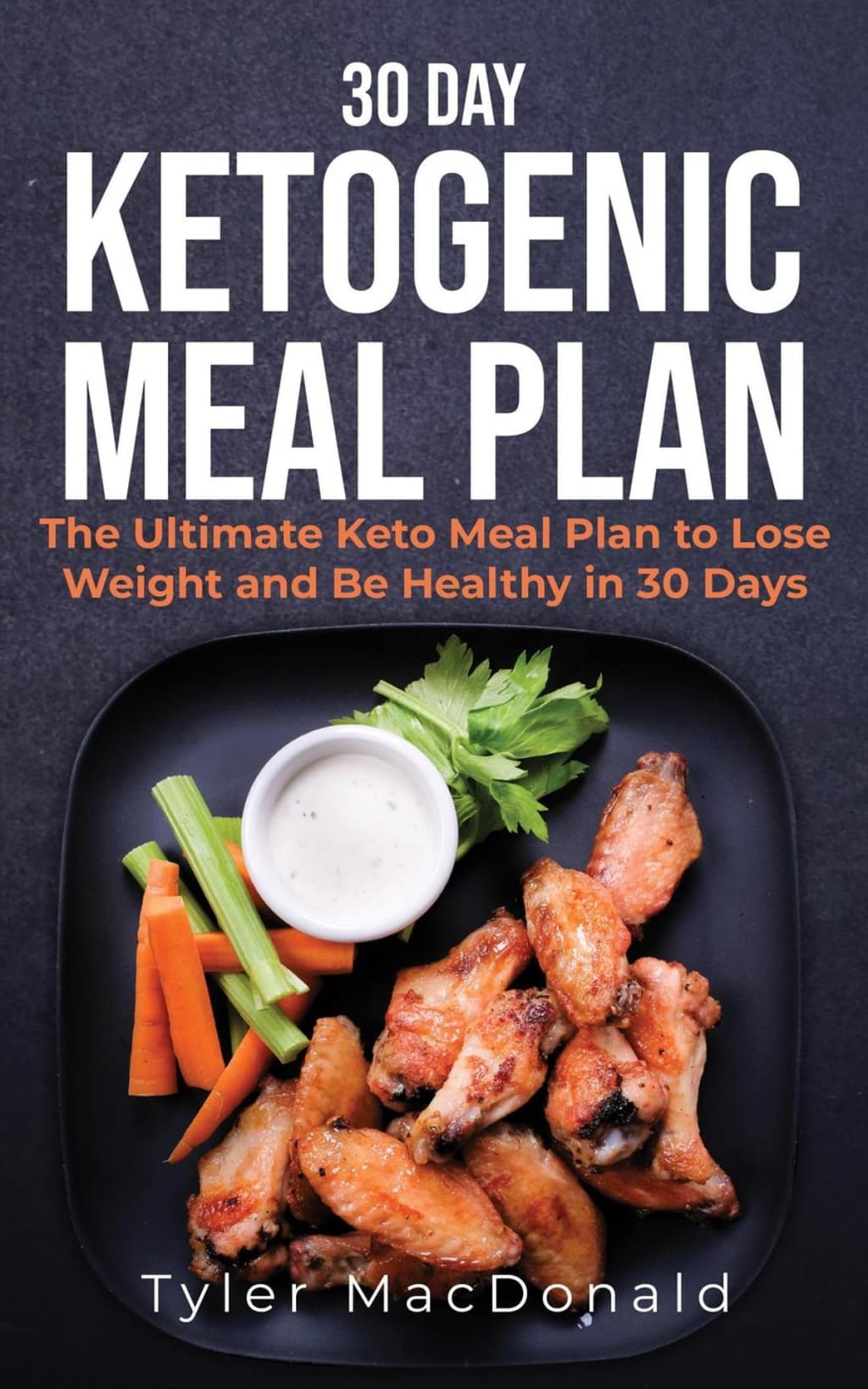
The ketogenic diet, also known as the keto diet, is a popular low-carb, high-fat diet that has been gaining traction in recent years. The keto diet is designed to help the body enter a state of ketosis, in which it burns fat for fuel instead of glucose. While the keto diet can be highly effective for weight loss and other health benefits, it can also be challenging to follow without a solid meal plan. In this article, we will outline the main parts of an ultimate keto meal plan to help you stay on track with your ketogenic diet.
High-fat Foods
The ketogenic diet is characterized by a high intake of healthy fats. The goal is to consume enough fat to make up for the reduction in carbohydrates, so your body can burn fat for energy instead of glucose. Good sources of healthy fats include:
Avocado
Nuts and seeds (almonds, walnuts, chia seeds, etc.)
Olive oil and coconut oil
Fatty fish (salmon, tuna, mackerel)
Grass-fed butter and ghee
Low-carbohydrate Foods
The key to a successful ketogenic diet is to reduce your carbohydrate intake. While some low-carb diets allow for moderate amounts of carbohydrates, the keto diet is much more strict, limiting carbohydrates to around 20-50 grams per day. This means avoiding high-carb foods such as:
Bread and pasta
Rice and grains
Sugars and sweeteners
Fruits (except for small amounts of berries)
starchy vegetables (potatoes, corn, etc.)
Instead, focus on low-carb, high-fiber vegetables such as leafy greens, broccoli, cauliflower, and zucchini.
Adequate Protein
While the keto diet is often thought of as a high-fat, low-carb diet, it's important not to overlook the importance of protein. Protein is essential for building and repairing tissues, and it also plays a key role in maintaining muscle mass during weight loss. However, it's important not to overdo it on protein, as excess protein can be converted into glucose and interfere with ketosis. A general guideline for protein intake on the keto diet is around 1 gram of protein per kilogram of body weight. Good sources of protein include:
Lean meats (chicken, turkey, beef, etc.)
Fish and seafood
Eggs
Low-carb dairy (cheese, yogurt)
Meal Planning
One of the keys to success on the keto diet is to plan your meals in advance. This helps ensure that you have healthy, low-carb options available when you need them, and it can also help you stay on track with your macros (macronutrients: fat, protein, and carbs). When planning your meals, focus on whole, unprocessed foods and try to incorporate a variety of healthy fats, proteins, and low-carb vegetables. Some ideas for keto-friendly meals include:
Breakfast: scrambled eggs with avocado and spinach, keto-friendly smoothie, chia pudding with berries
Lunch: salad with chicken or salmon, topped with olive oil and nuts, vegetable soup with grass-fed butter
Dinner: roasted salmon with asparagus and cauliflower rice, beef stir-fry with low-carb vegetables, zucchini noodles with pesto and chicken
Snacks: cheese and nuts, celery with almond butter, hard-boiled eggs
Hydration and Electrolytes
Another important aspect of the keto diet is staying hydrated and maintaining electrolyte balance. When you reduce your carbohydrate intake, your body excretes more water and electrolytes, which can lead to dehydration and electrolyte imbalances. To avoid this, make sure to drink plenty of water throughout the day and consider adding electrolyte
About the Creator
Enjoyed the story? Support the Creator.
Subscribe for free to receive all their stories in your feed.
Comments
There are no comments for this story
Be the first to respond and start the conversation.