
The Silent Weight We Carry
Why Modern Life Is Leaving So Many People Emotionally Exhausted
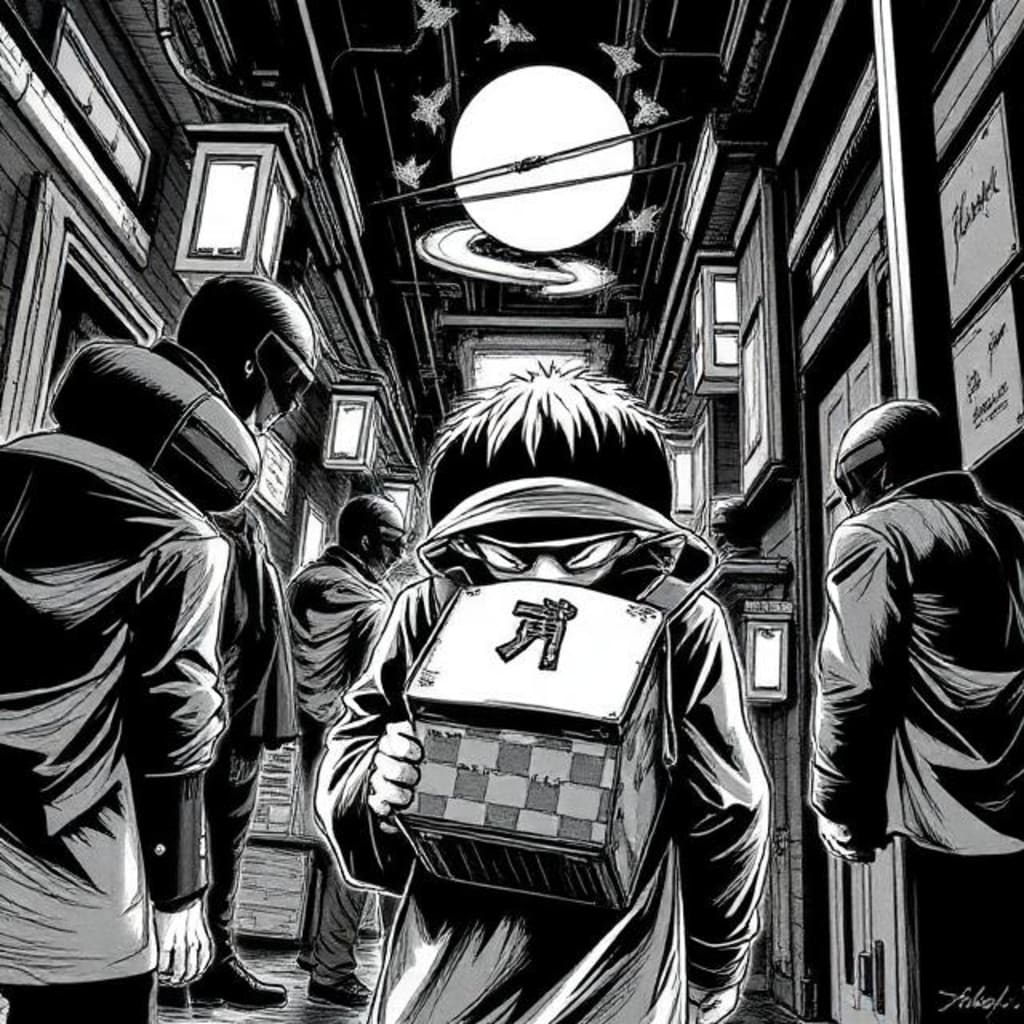
There was a time when people believed that progress would make life easier. Technology would save time, cities would create opportunities, and constant connection would bring people closer together. Yet despite all the convenience surrounding modern society, millions of people wake up every morning with a heaviness they cannot explain. It is not always visible. It does not always appear dramatic. But it exists quietly inside conversations, crowded buses, glowing phone screens, and sleepless nights. Emotional exhaustion has become one of the defining experiences of this generation.
People are tired in a way that sleep cannot fix. They are overwhelmed by expectations, pressure, uncertainty, and the constant need to appear strong even when they are struggling inside. Society celebrates productivity more than peace. A person’s value is often measured by achievements, income, appearance, or influence rather than emotional well-being. As a result, many individuals spend years chasing success while silently losing themselves.
One of the biggest reasons for this emotional exhaustion is the culture of comparison. Social media has transformed everyday life into a competition where everyone seems happier, richer, more attractive, and more successful than they truly are. Behind carefully edited photos and short videos, people hide anxiety, loneliness, and insecurity. But viewers rarely see that reality. Instead, they compare their ordinary lives to someone else’s highlighted moments and begin to feel inadequate.
A young student may feel worthless because others seem more successful. A parent may feel guilty for not providing enough. An employee may believe they are falling behind because someone online appears to have achieved more at a younger age. These comparisons slowly damage self-worth. They create the illusion that everyone else is winning while we alone are struggling. Over time, this emotional pressure becomes unbearable.
At the same time, human connection is becoming weaker. People communicate constantly but connect less deeply. Conversations are shorter, attention spans are smaller, and genuine emotional support is disappearing. Many individuals are surrounded by people yet still feel completely alone. Loneliness is no longer limited to isolation. It can exist in friendships, workplaces, relationships, and even families.
Modern society often encourages emotional suppression instead of honesty. People are told to “stay positive,” “work harder,” or “move on” before they even process their pain. Vulnerability is sometimes treated as weakness rather than courage. Because of this, countless individuals suffer silently. They smile in public while carrying invisible emotional wounds in private.
The consequences of this emotional neglect are devastating. Anxiety and depression continue to rise across all age groups. Young people, in particular, are experiencing immense psychological pressure. Many feel they must achieve extraordinary success just to feel worthy of respect. They fear failure not because they are weak, but because society has convinced them that failure defines their value as human beings.
This constant pressure creates a dangerous cycle. People become exhausted, yet they continue pushing themselves because stopping feels like falling behind. They sacrifice rest, relationships, and mental peace in pursuit of unrealistic expectations. Eventually, many reach a point where they no longer recognize themselves. They function mechanically, surviving day by day without genuine joy or emotional fulfillment.
Economic uncertainty also plays a major role in emotional suffering. Rising costs of living, unstable careers, and fear about the future create chronic stress for millions of families. Many individuals work endlessly but still struggle financially. This creates feelings of frustration and hopelessness. Dreams that once felt achievable now seem distant. For some, survival itself has become exhausting.
What makes this reality even more heartbreaking is that emotional pain is often dismissed because it cannot always be seen. Physical injuries receive immediate attention, but emotional wounds are frequently ignored until they become severe. A person can appear successful while privately fighting despair. Someone can laugh during the day and cry alone at night. Society has become skilled at noticing performance while failing to notice suffering.
Yet despite all this darkness, there is still hope. Human beings have always survived difficult periods because of one powerful truth: people need people. Genuine empathy remains one of the strongest forces in the world. A simple conversation, honest support, or sincere act of kindness can change someone’s emotional state more than we realize. Sometimes what people need most is not advice, but understanding.
Real change begins when society stops treating emotional well-being as secondary. Schools should teach emotional intelligence alongside academic subjects. Workplaces should value mental health as much as productivity. Families should create environments where people feel safe expressing vulnerability without fear of judgment. Most importantly, individuals must learn that asking for help is not weakness. It is strength.
There is also a need to redefine success. Success should not only mean wealth, status, or achievement. A truly successful life includes emotional balance, healthy relationships, inner peace, and the ability to experience joy without constant fear or pressure. If people continue sacrificing their mental well-being for external validation, society will continue producing exhausted individuals who appear successful but feel empty inside.
The modern world moves fast, but human emotions still require time, care, and connection. No technological advancement can replace empathy. No amount of digital interaction can fully substitute genuine human presence. People do not simply need entertainment or distraction. They need understanding, belonging, and emotional security.
Perhaps the greatest tragedy of modern life is not that people are suffering, but that so many believe they must suffer alone. In reality, almost everyone carries fears, disappointments, insecurities, and silent battles. The difference is that some hide them more successfully than others. Recognizing this truth can create compassion instead of judgment.
A healthier society will not emerge from perfection. It will emerge from honesty. When people begin speaking openly about emotional struggles, they create space for healing. When communities choose empathy over criticism, individuals feel less isolated. And when humanity finally understands that emotional health is just as important as physical survival, future generations may no longer grow up believing that exhaustion is simply a normal part of life.
The world does not only need stronger economies, smarter technology, or faster systems. It also needs softer hearts, deeper understanding, and more compassion. Because behind every exhausted face is a human being silently hoping that someone will finally understand how heavy life has become.
About the Creator
Enjoyed the story? Support the Creator.
Subscribe for free to receive all their stories in your feed.
Comments
There are no comments for this story
Be the first to respond and start the conversation.