
The Science Behind How Ibuprofen Works to Reduce Inflammation
A Complex Interplay of Chemical Signals

When it comes to relieving pain and reducing inflammation, few over-the-counter medications are as effective as ibuprofen. Known for its versatility, this NSAID is widely recognized as one of the best muscle pain relievers available. In addition to its remarkable ability to alleviate headaches and reduce fever, ibuprofen's effectiveness in combating inflammation is what sets it apart.
In this short post, I'm going to somewhat delve into the science behind how ibuprofen works to reduce inflammation, and shed some light on its mechanism of action, while providing insight into why it has become a go-to medication for millions worldwide.
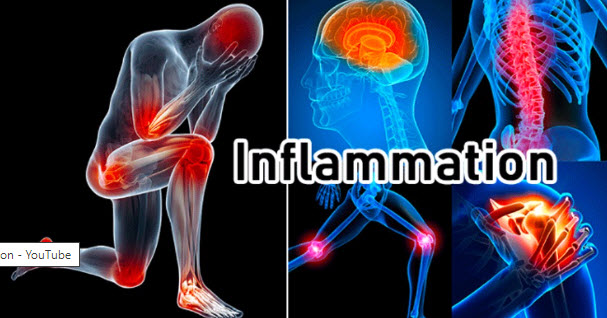
Understanding Inflammation:
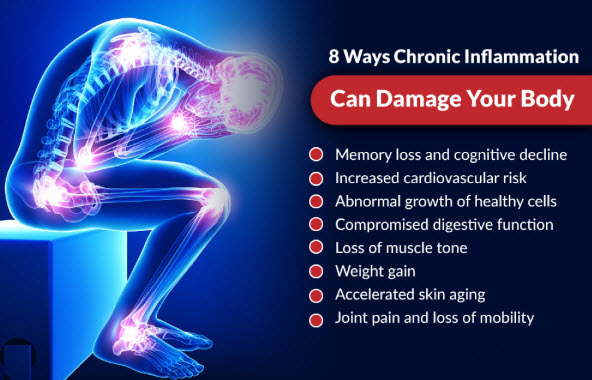
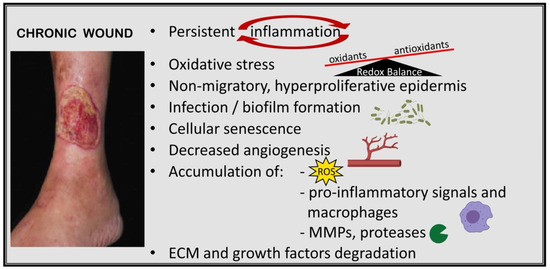
Before delving into how ibuprofen combats inflammation, it is crucial to comprehend the process of inflammation itself. Inflammation is a natural response by the body's immune system to injury or infection. It involves a complex interplay of chemical signals and immune cells that work together to protect and heal the affected area. So while it is necessary for healing, excessive or prolonged inflammation can lead to discomfort and tissue damage.
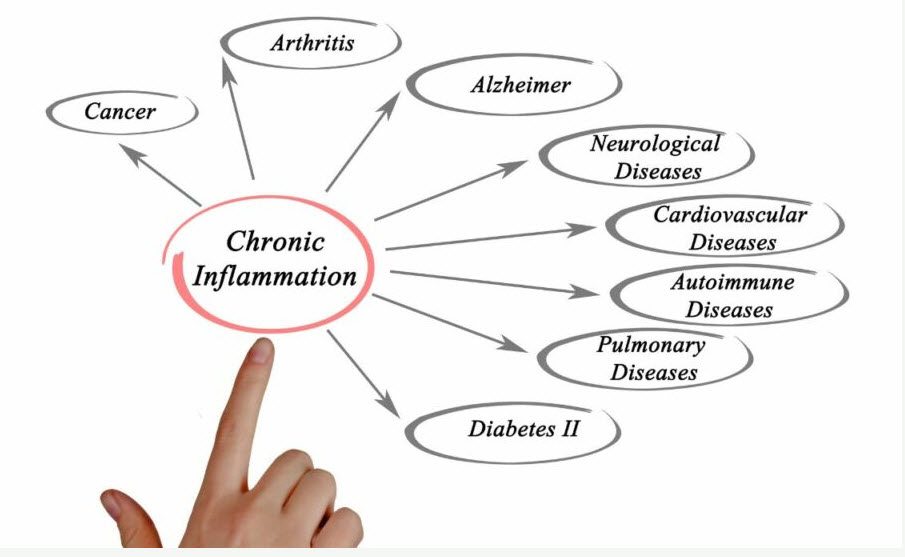
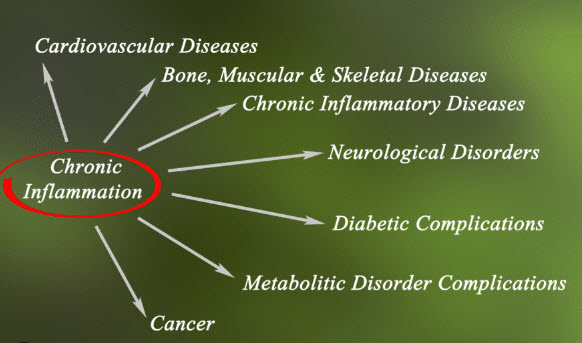
In my opinion, this is why it's vital when discussing how ibuprofen combats inflammation as it's a natural response triggered by the body's immune system in the way of defending against injury or infection. It encompasses a sophisticated interaction between chemical signals and immune cells that collaborate to safeguard and promote healing in the affected area. While inflammation serves an essential purpose in the healing process, an excess or prolonged inflammatory response can result in discomfort and harm to the tissues.
The Role of Prostaglandins:
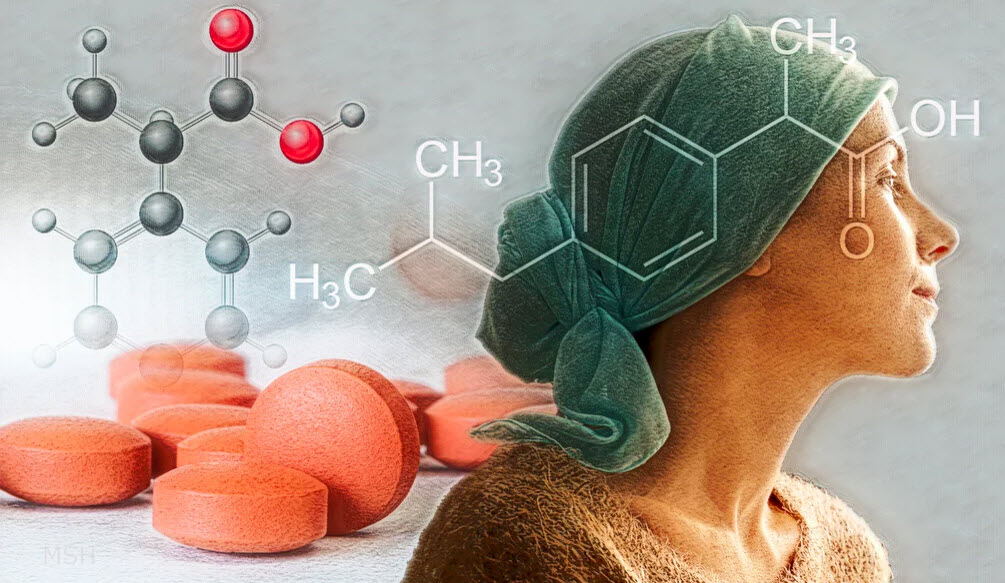
At the core of ibuprofen's anti-inflammatory properties lies its ability to inhibit the production of prostaglandins, a hormone-like substances that plays a vital role in promoting inflammation, pain, and fever within the body.
They are produced when an injury or infection occurs, triggering a series of reactions that result in localized swelling, redness, and discomfort. Ibuprofen, with its remarkable anti-inflammatory properties, acts by effectively inhibiting the production of prostaglandins. These hormone-like substances play a crucial role in promoting inflammation, pain, and fever in the body.
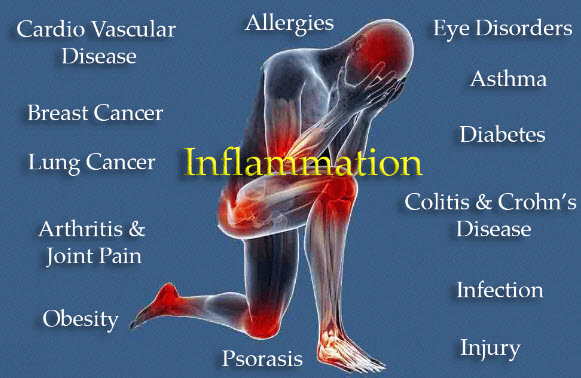
When an injury or infection happens, prostaglandins are produced as part of a chain reaction that leads to localized swelling, redness, and discomfort. By targeting the production of prostaglandins, ibuprofen helps to alleviate these symptoms and provides relief from the underlying causes. Its ability to reduce inflammation not only helps to ease pain but also aids in reducing swelling and redness associated with injuries or infections.
So when taking it within the correct dosage, it can be an effective tool for managing inflammation-related discomfort, thus making its ability to inhibit prostaglandins production an effective choice for relieving inflammation and associated symptoms like pain and fever.

All in all, prostaglandins are responsible for promoting pain, swelling, and fever during the inflammatory process. By reducing their production, ibuprofen effectively diminishes these symptoms and provides relief from discomfort. Additionally, Ibuprofen also helps lower fever by acting on certain areas of the brain that regulate body temperature
It is important to note that while ibuprofen can provide temporary relief from inflammation-related symptoms, it does not address the underlying cause of inflammation itself. Note, always consult with a healthcare professional for appropriate diagnosis and treatment if you experience persistent or severe inflammation. In conclusion, understanding how inflammation occurs allows us to appreciate how ibuprofen combats it effectively by targeting key mediators involved in its development.
Ibuprofen's Mechanism of Action:
Ibuprofen works by inhibiting the enzyme cyclooxygenase (COX), which is responsible for converting a fatty acid called arachidonic acid into prostaglandins. There are two isoforms of the COX enzyme, COX-1 and COX-2. COX-1 is involved in maintaining physiological functions, such as protecting the stomach lining and promoting blood clotting.
On the other hand, COX-2 is primarily responsible for producing prostaglandins that promote inflammation and pain. Ibuprofen selectively inhibits COX-2, reducing the production of inflammatory prostaglandins while sparing the beneficial effects of COX-1. By blocking COX-2, Ibuprofen helps to reduce inflammation and relieve pain.
This mechanism of action makes it an effective medication for conditions such as arthritis, menstrual cramps, and general aches and pains.When you take ibuprofen orally, it is rapidly absorbed into your bloodstream.
From there, it travels to the site of inflammation where it inhibits COX-2 activity. By reducing inflammation, Ibuprofen helps to decrease pain and swelling so it is important to note that while it selectively inhibits COX-2, it can still have some impact on COX-1 activity.
This is why long-term use of high-dose Ibuprofen can sometimes lead to stomach irritation or increased risk of bleeding. Overall, Ibuprofen's mechanism of action makes it a versatile and widely used medication for managing various types of pain and inflammation. However, as with any medication, it's always best to consult with your healthcare provider before starting any new treatment regimen.
About the Creator
Dino
Author has been in the healthcare field for over a decade and knowledge has been from life experiences and shear common sense, alongside industry experience of course, to help others make informed decisions for themselves.
Enjoyed the story? Support the Creator.
Subscribe for free to receive all their stories in your feed.
Comments