
The Power of Lifelong Learning in Nursing: A Journey Inspired by Clinical Excellence
How continuous education, evidence-based practice, and a commitment to learning can shape better healthcare for everyone

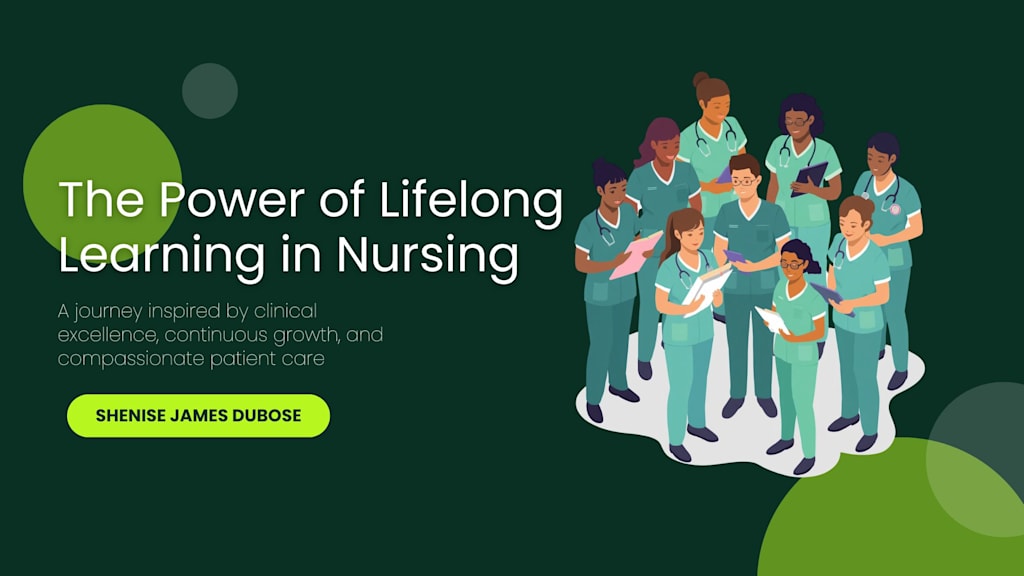
The healthcare profession is one of the few careers where learning never truly ends. Every year brings new research, medical technologies, treatment methods, and clinical guidelines that improve the way patients receive care. For healthcare professionals, remaining committed to lifelong learning is not simply a professional responsibility—it is an essential part of providing safe, effective, and compassionate care.
This philosophy is reflected in the educational focus highlighted by Shenise James Dubose, whose work emphasizes clinical education, evidence-based practice, health literacy, and mentoring healthcare professionals and students. Rather than viewing education as something that ends after graduation, her approach demonstrates that continuous learning is the foundation of professional growth and improved patient outcomes.
Nursing is often described as both a science and an art. The scientific side requires healthcare professionals to understand anatomy, physiology, pharmacology, disease processes, and clinical procedures. Equally important is the human side of nursing, which requires empathy, communication, critical thinking, and sound decision-making. Lifelong learning strengthens both aspects of the profession, allowing nurses to combine technical expertise with compassionate care.
Modern healthcare changes rapidly. Treatments considered standard practice a decade ago may now be replaced by more effective approaches supported by new research. Medical technology continues to evolve, creating opportunities to diagnose illnesses earlier, monitor patients more accurately, and deliver treatments more efficiently. Nurses who embrace continuous education remain prepared to adapt to these changes while maintaining high standards of patient care.
Evidence-based practice has become one of the most important principles in healthcare. Instead of relying solely on tradition or personal experience, evidence-based practice combines scientific research, professional expertise, and patient preferences to guide clinical decisions. This approach improves patient safety while ensuring healthcare providers use the most current knowledge available.
Continuous education also strengthens critical thinking skills. Healthcare professionals face complex situations every day, and many decisions require careful analysis rather than routine responses. By remaining engaged in professional learning, nurses develop stronger clinical judgment and become better equipped to solve challenging problems while providing individualized care.
One of the greatest benefits of lifelong learning is increased confidence. Nurses who actively expand their knowledge often feel more prepared when caring for patients with complicated medical conditions. Confidence not only improves professional performance but also reassures patients and families during difficult situations. When healthcare professionals communicate clearly and demonstrate competence, they build stronger relationships based on trust and respect.
Education also contributes significantly to patient safety. Medication guidelines, infection prevention protocols, and treatment recommendations continue to evolve as new evidence becomes available. Healthcare professionals who stay informed are better positioned to reduce risks, prevent medical errors, and improve patient outcomes. This commitment to learning ultimately benefits every individual receiving care.
Mentorship represents another valuable aspect of lifelong learning. Experienced healthcare professionals have an opportunity to guide nursing students and newly licensed nurses as they begin their careers. Sharing knowledge, encouraging critical thinking, and providing constructive feedback help prepare future healthcare leaders for the challenges they will encounter in clinical practice.
Strong mentors do more than teach technical skills. They model professionalism, ethical decision-making, compassion, and resilience. They encourage curiosity and remind new nurses that asking questions is a sign of commitment to excellence rather than weakness. This culture of learning creates stronger healthcare teams and ultimately leads to better patient care.
Health literacy also plays an important role in education. Patients frequently receive complex medical information that can feel overwhelming or confusing. Nurses serve as educators who translate medical terminology into language patients can understand. This responsibility requires both clinical knowledge and effective communication skills.
When patients understand their diagnosis, treatment plan, medications, and follow-up care, they become active participants in their healthcare journey. Research consistently demonstrates that informed patients are more likely to follow treatment recommendations, recognize warning signs, and make healthier lifestyle choices. Education therefore becomes one of the most valuable tools for improving long-term health outcomes.
Lifelong learning extends beyond hospitals and clinics. It encourages healthcare professionals to remain curious, seek new perspectives, and embrace innovation throughout their careers. Whether attending continuing education programs, participating in professional conferences, reviewing current research, or collaborating with colleagues, every learning opportunity contributes to improved patient care.
The healthcare profession also requires emotional resilience. Caring for individuals during illness, recovery, and loss can be emotionally demanding. Ongoing professional development often includes education about communication, stress management, teamwork, and leadership. These skills help healthcare professionals maintain compassion while effectively navigating the challenges of modern healthcare environments.
Leadership in nursing frequently begins with education. Healthcare professionals who pursue continuous learning often become mentors, educators, and advocates within their organizations. They help establish cultures focused on quality improvement, patient safety, and professional excellence. Their commitment to learning inspires colleagues while strengthening healthcare systems as a whole.
One of the most inspiring aspects of lifelong learning is its ripple effect. A nurse who gains new knowledge may improve care for hundreds or even thousands of patients over the course of a career. A healthcare educator who mentors future nurses influences generations of professionals. Every lesson learned has the potential to improve countless lives.
The principles of clinical education and evidence-based practice remind us that healthcare is never static. Progress depends upon individuals who remain committed to growth, curiosity, and continuous improvement. These qualities strengthen healthcare organizations while creating better experiences for patients and families alike.
Ultimately, lifelong learning is not about collecting certificates or completing courses. It is about maintaining a mindset of continuous improvement and recognizing that every patient interaction presents an opportunity to learn something new. Healthcare professionals who embrace this philosophy continue growing throughout their careers while delivering safer, more compassionate, and more effective care.
As healthcare continues to evolve, the value of education will only become more significant. Nurses who remain dedicated to learning, evidence-based practice, and patient education will continue shaping the future of healthcare in meaningful ways. Their commitment demonstrates that knowledge, compassion, and service work together to create lasting positive change.
Learning never stops in healthcare, and that is precisely what makes the profession so remarkable. Every lesson strengthens the ability to care, every new discovery improves patient outcomes, and every shared piece of knowledge has the potential to change someone's life for the better.
About the Creator
ORM_Specialist
Hi, I'm Rohit — with 9+ years in ORM, SEO and Google Ads, I help brands build trust, grow influence, and dominate the digital world.
Enjoyed the story? Support the Creator.
Subscribe for free to receive all their stories in your feed.
Comments