
THE MONK STORY
Punishing the one who has done wrong, he himself is the one who helps him with good and his evil and his good

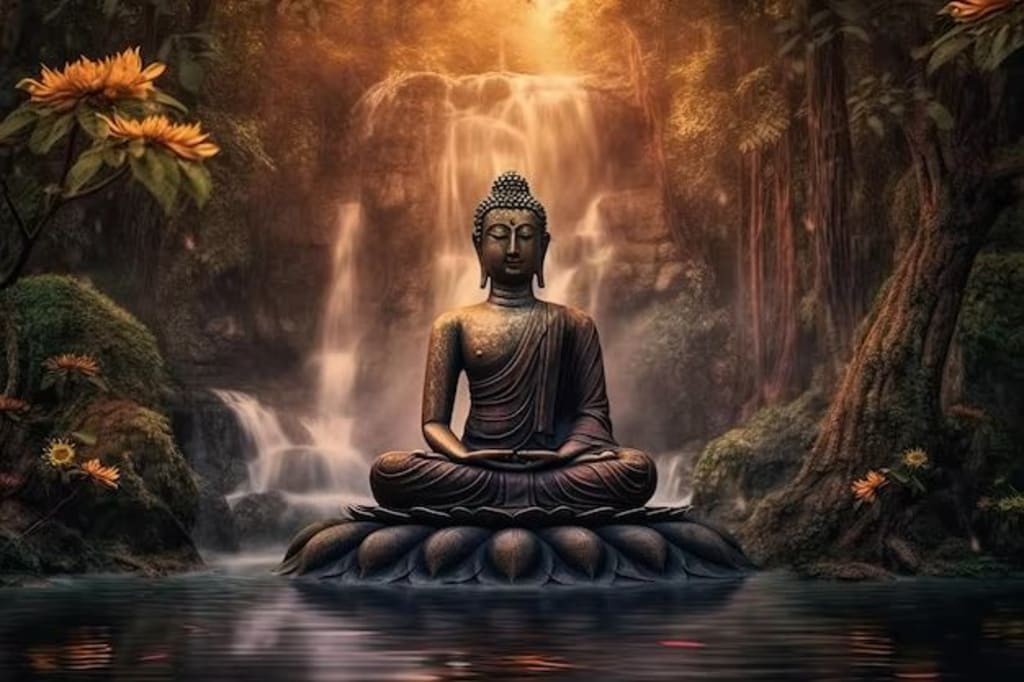
In the Buddha temple, the master monk doing spiritual discourse to his students, one student in the crowd, he hates the monk speech so he throws stone to master monk heads And make the scar on his head in filled with blood in monk's head. The remaining students watched a monk head and get angry at that boy, suddenly another student shouting his name in the The crowd and everyone start attacking on that boy and suddenly monk everyone sits silently and please bring that boy to me, everyone think the monk give severe punishment to that boy but the monk take one apple and give to that boy. everyone confused why the monk doing good things to that culprit the monk said
"one who making hurts to you, you give more respect to him instead of taking revenge" because respect is more power full than revenge.
and suddenly that culprit student beg to master monk " I am sorry I am always doing wrong" and then monk said the good things born from bad bad habits...
in the Tamil literature one ancient song written by the great Thiruvalluvar
இன்னாசெய் தாரை ஒறுத்தல் அவர்நாண
நன்னயஞ் செய்து விடல்
meaning: இன்னா செய்தவரைத் தண்டித்தல் அவரே நாணும் படியாக அவருக்கு நல்லுதவி செய்து அவருடைய தீமையையும் நன்மையையு.(Punishing the one who has done wrong, he himself is the one who helps him with good and his evil and his good)...
tips for meditation:
Meditation is a centuries-old practice that has gained widespread popularity for its numerous physical, mental, and emotional benefits. Whether you're a beginner or an experienced practitioner, here are some tips to enhance your meditation experience:
1. Create a Dedicated Space:
Establish a quiet and comfortable space for meditation. This can be a corner in a room or a cushion in a quiet area. Make sure the space is free from distractions.
2. Comfortable Posture:
Sit in a comfortable position, whether it's on a cushion, chair, or floor. Keep your back straight to allow for easy breathing, and relax your shoulders. Rest your hands on your knees or in your lap.
3. Focus on Breath:
Concentrate on your breath. Pay attention to the sensation of each inhale and exhale. If your mind wanders, gently bring your focus back to your breath.
4. Mindful Awareness:
Practice mindfulness by observing thoughts without judgment. Let thoughts come and go, acknowledging them without getting attached. This helps cultivate a non-reactive awareness.
5. Start with Guided Meditations:
For beginners, guided meditations can be helpful. There are many apps and online resources offering guided sessions led by experienced instructors to assist you in developing a meditation routine.
6. Progressive Relaxation:
Incorporate progressive muscle relaxation. Starting from your toes, tense and then relax each muscle group as you move up through your body. This technique helps release physical tension.
7. Set Realistic Goals:
Begin with short sessions, gradually increasing the duration as you become more comfortable with the practice. Setting realistic goals helps maintain consistency.
8. Use a Timer:
Set a timer to avoid constantly checking the clock. This allows you to fully immerse yourself in the meditation without the distraction of time awareness.
9. Consistency is Key:
Regular practice is crucial for reaping the benefits of meditation. Even a few minutes each day can make a significant difference over time.
10. Experiment with Different Techniques:
Explore various meditation techniques such as mindfulness, loving-kindness, or body scan. Find the one that resonates most with you, or combine different methods to suit your preferences.
11. Be Patient and Gentle:
Meditation is a skill that develops over time. Be patient with yourself and avoid self-criticism. Accept that the mind will wander, and gently guide it back to the present moment.
12. Incorporate Mindful Activities:
Extend mindfulness beyond formal meditation sessions. Bring awareness to everyday activities, such as eating, walking, or even washing dishes. This enhances overall mindfulness.
13. Explore Different Settings:
While a quiet space is ideal, explore meditating in different environments like nature or a peaceful room to enhance the variety of your practice.
14. Seek Guidance:
Attend meditation classes, workshops, or retreats to deepen your practice. Interacting with experienced practitioners can provide valuable insights and support.
15. Celebrate Progress:
Acknowledge and celebrate your progress, no matter how small. Regularly reflecting on the positive changes in your life can motivate continued commitment to meditation.
Remember, meditation is a personal journey, and there's no one-size-fits-all approach. Find what works best for you, and enjoy the transformative benefits that regular meditation can bring to your life.
About the Creator
AK MAJIC BOOK
I am Aadhikesavan M
writer
love to make a happy for others
athlete
speaker
Enjoyed the story? Support the Creator.
Subscribe for free to receive all their stories in your feed.
Comments
There are no comments for this story
Be the first to respond and start the conversation.