
The Modern of HDPE Fusion: How Technology Is Improving Efficiency and Durability
Advancing HDPE Fusion: Innovations Driving Stronger, Faster, and More Reliable Piping Solutions
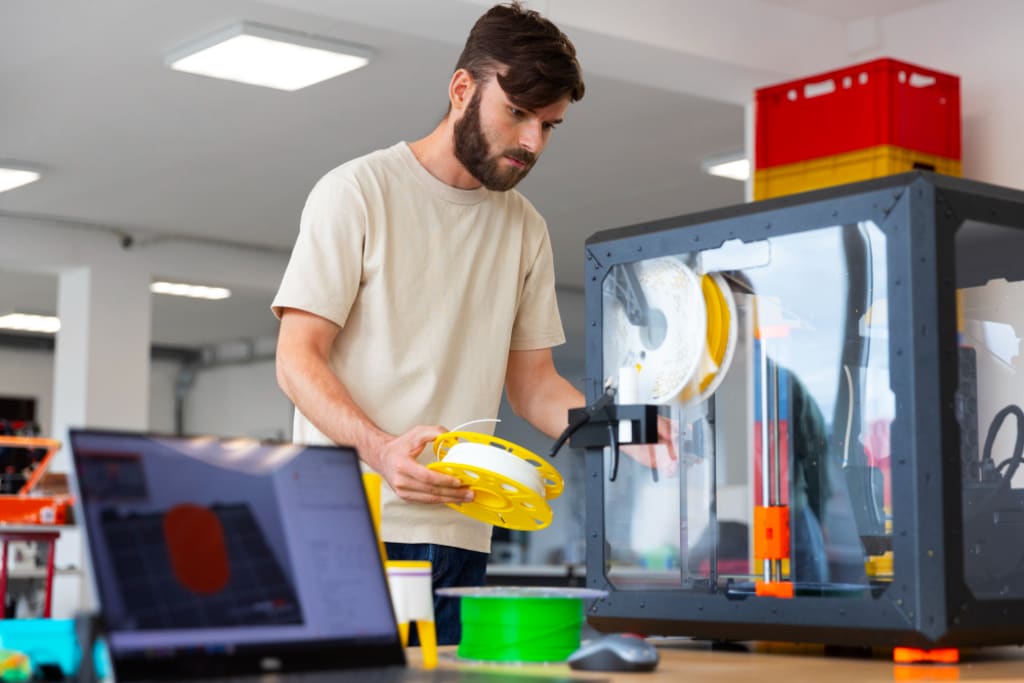
HDPE fusion technology has made significant advancements. It has changed how to install and maintain piping systems. HDPE fusion is key for strong, efficient pipes in many industries. It has evolved from traditional butt fusion to modern electrofusion and automated methods. This article looks at the evolution of HDPE fusion services. It discusses the benefits of the advances. It also covers their effects on the efficiency and durability of piping installations.
The Basics of HDPE Fusion
HDPE fusion is a process that joins two pieces of HDPE pipe or fittings. It heats and melts the material at the joint, then cools it to form a seamless, leak-proof bond. The process removes the need for mechanical connections, like bolts or gaskets. Those can leak or fail over time. The most common HDPE fusion methods include:
Butt Fusion – The most common technique. It heats and then presses two pipe ends together to form a single piece.
Electrofusion uses special fittings that have built-in heating elements. This creates a strong and even bond.
Socket Fusion: A method in which a technician heats a pipe and a fitting separately, then joins them.
Saddle Fusion – Used for branching connections. A smaller pipe is fused onto a larger mainline.
Historical Perspective: The Early Days of HDPE Fusion
In the early days of HDPE piping systems, fusion technology was relatively rudimentary. Butt fusion was the main method. It required manual alignment and heating. This often caused inconsistencies. The heating plates used were less advanced than today's devices. They were not temperature-controlled. So, it was harder to ensure uniform heat. Also, the lack of proper fusion tests raised concerns about joint strength.
Early challenges aside, HDPE fusion's benefits made it the preferred choice over metal and PVC pipes. It is corrosion-resistant, flexible, and has leak-proof joints. As the demand for better fusion techniques grew, so did the need for tech advances.
Technological Advancements in HDPE Fusion
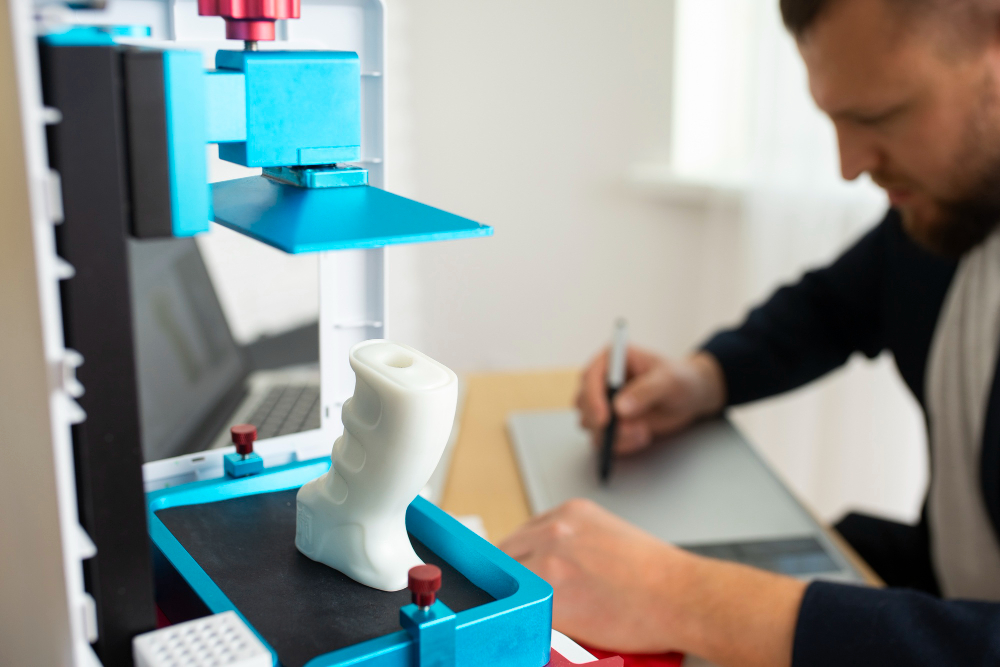
1. Automated and Precision-Controlled Equipment
One of the biggest advances in HDPE fusion technology is automation. Its precision-controlled fusion machines. Modern fusion equipment has digital controls. They ensure precise heating, pressure, and cooling times. These advancements reduce human error, leading to more consistent and high-quality joints.
Automated fusion machines can log data. This allows for real-time monitoring and quality assurance. Contractors and engineers can track each fusion joint's parameters. This ensures they meet industry standards and lowers the risk of failures.
2. Enhanced Electrofusion Technology
Electrofusion has improved a lot with new, smart fittings and fusion processors. These systems use barcode scanning to set the correct fusion parameters. This eliminates guesswork and reduces operator errors. New technology in electrofusion couplings has improved the resistance wire. This has led to stronger, more uniform joints.
Also, advances in electrofusion fittings have made them more versatile. They can now be used on complex piping, like large-diameter and high-pressure systems.
3. Improved Pipe and Fitting Materials
HDPE is durable. However, research has made even better polyethylene. Modern HDPE resins are better. They resist stress, tolerate heat, and endure the environment. These material upgrades provide a longer lifespan and improved performance.
4. Non-Destructive Testing (NDT) and Quality Assurance
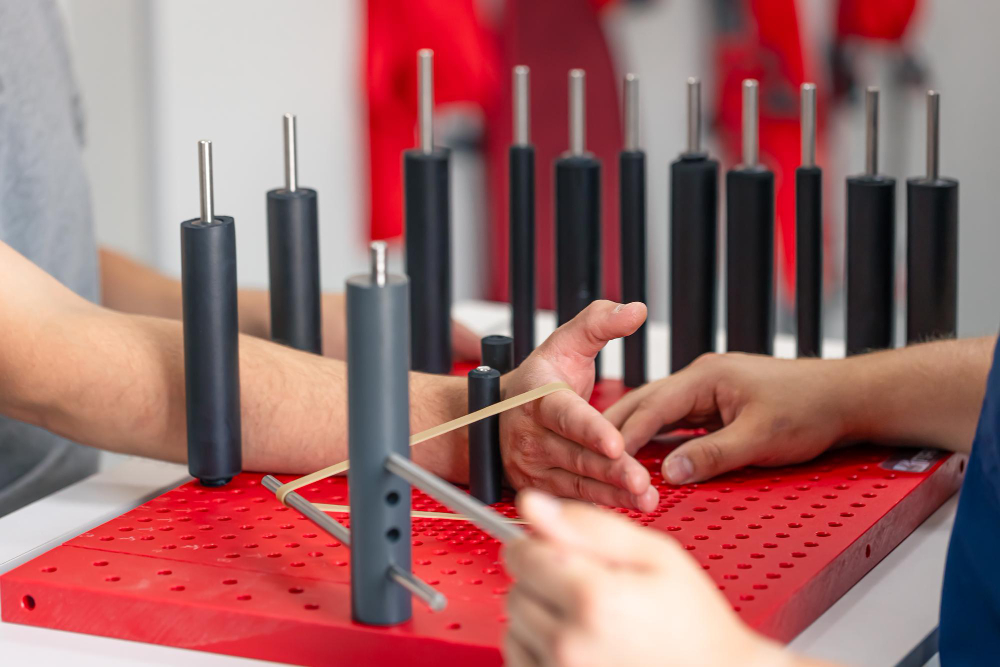
Non-destructive tests of fusion joints have made HDPE fusion much more reliable. Techniques like ultrasonic testing and PAUT can find flaws, voids, or incomplete welds in a joint. They can do this without cutting the pipe. It makes sure every fusion joint meets strict safety and performance standards before use.
5. Faster and More Efficient Fusion Processes
Time is critical in pipeline installations. Newer fusion technologies have drastically reduced fusion cycle times. New tech, like faster heaters and better coolers, has cut the time for each joint. This has led to shorter project timelines and cost savings. Also, fusion training and certification courses have improved operator skills. This has reduced errors and rework.
The Impact on Efficiency and Durability

HDPE fusion technology has evolved. It now offers key benefits that have transformed the industry.
Increased Installation Speed
Modern fusion equipment and automated processes have significantly reduced installation time. Faster fusion cycles let contractors finish projects faster. This cuts labor costs and reduces disruptions to construction schedules.
Enhanced Joint Strength and Longevity
New fusion techniques make HDPE pipe joints stronger and more durable. Properly fused HDPE joints are often stronger than the pipe. They ensure long-term reliability. Removing mechanical connections cuts down on maintenance needs and lowers leak risks.
Greater Reliability in Harsh Environments
New materials and fusion technology have made HDPE piping better. It is now more resilient in extreme conditions. In high-pressure settings, chemical plants, and underground work, modern HDPE fusion is best.
Reduced Environmental Impact
HDPE fusion technology has also contributed to sustainability in infrastructure projects. Fused HDPE pipes last a long time. They need fewer replacements, which reduces waste. Additionally, HDPE is recyclable, further enhancing its environmental benefits.
Future Trends in HDPE Fusion
Looking ahead, we expect HDPE fusion technology to achieve even greater advancements. Some emerging trends include:
AI and Machine Learning Integration – Smart fusion machines that use AI. They optimize fusion settings and predict joint failures before they occur.
Robotic Fusion Systems – It automates robotic fusion for large projects. It reduces manual labor and improves precision.
Smart Monitoring and IoT Connectivity – These systems check in real-time. They provide instant feedback on fusion quality and pipe performance. This allows for proactive maintenance.
Advancements in Sustainable Materials: Using bio-based or recycled HDPE for eco-friendly pipes.
Conclusion
HDPE fusion technology's evolution has transformed how pipelines are installed and maintained. Advances in automation, materials, and quality have made HDPE fusion better. It is now faster, more efficient, and more durable than ever. As technology improves, the future of HDPE fusion looks bright. It will be more reliable and sustainable. Industries will then depend on high-performance piping for decades.
For expert HDPE fusion, work with skilled pros. They should use the latest tech and best practices. Investing in modern fusion solutions builds a stronger.
About the Creator
Enjoyed the story? Support the Creator.
Subscribe for free to receive all their stories in your feed.
Comments
There are no comments for this story
Be the first to respond and start the conversation.