
The Loneliness Paradox: How Digital Connections Leave Us Isolated & Why Strangers Can Fill the Void
Discover why being always online makes us feel alone, and how connecting anonymously can help.

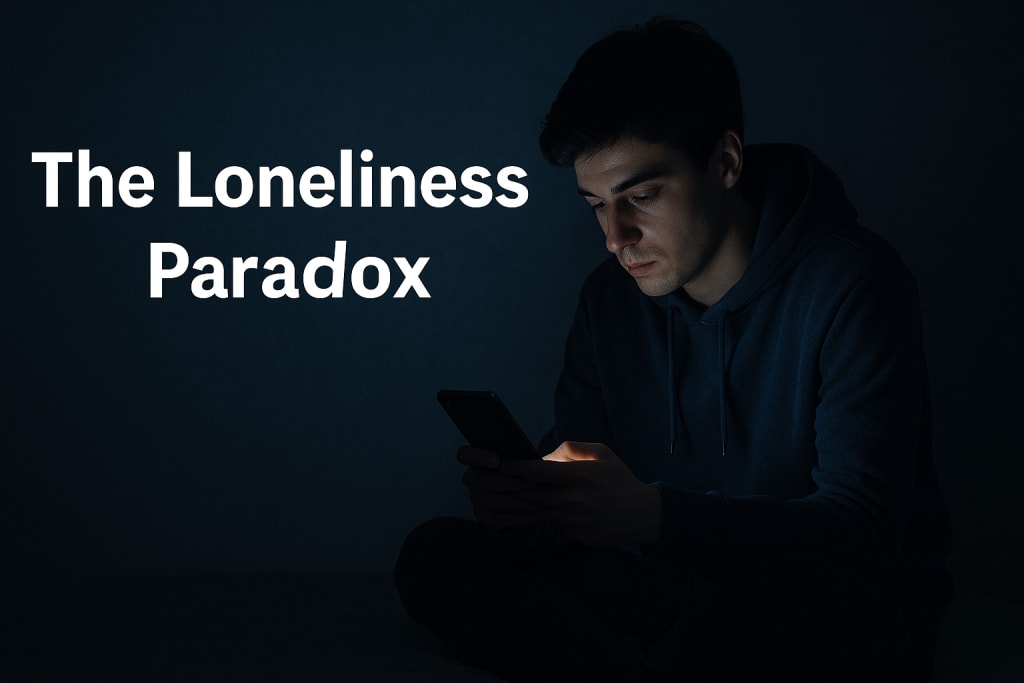
Have you ever found yourself scrolling endlessly through your phone late at night, bouncing from Instagram to Snapchat, checking WhatsApp messages, yet still feeling completely alone? If you have, you're definitely not the only one. This strange feeling is what we call the "loneliness paradox," and it's especially common among young people aged 18-35 across the Middle East.
Why Do We Feel Lonely When We're Always Online?
Today, our smartphones keep us connected to friends and family 24/7. Apps like Instagram, WhatsApp, and Snapchat show us constant updates about what everyone else is doing. However, despite all these connections, many young people still feel lonely and isolated. How can this be?
The main reason is that online interactions often lack real emotional depth. It’s easy to comment "مبروك" (mabrook, meaning "congrats") on a friend's post or send quick emojis. But how often do we genuinely open up about our true feelings? Most online conversations remain surface-level, leaving us craving deeper, more meaningful connections.
The Emotional Cost of Digital Habits
Have you ever experienced "doomscrolling," where you keep scrolling through upsetting or stressful content without stopping? Or have you been "ghosted," where someone suddenly stops responding to your messages without explanation? These habits can leave us feeling anxious, confused, and even more isolated.
Another challenge is the pressure from seeing "perfect lives" online. Everyone seems happy, successful, and having fun all the time. This can create a feeling known as "FOMO" (Fear Of Missing Out), which makes you feel left behind or not good enough. Constant comparison can hurt your self-esteem and increase feelings of loneliness.
How Strangers Can Help
Interestingly, sometimes talking to strangers can feel easier and more comforting than talking to people we know. In cultures where people often worry about what others might think or say, anonymous spaces can offer relief. This is where apps like Fadfed ("فضفض," meaning "let it out") come in handy.
On Fadfed, you can share your true feelings anonymously without worrying about judgment. Strangers who read your thoughts can respond with kindness, advice, or just listen without expectations. This simple interaction can be surprisingly comforting because it feels safe and genuine.
How to Fight Digital Loneliness: Practical Tips
Here are four easy ways to reduce your loneliness and build better connections online and offline:
Set Boundaries for Screen Time:
Try spending less time glued to your phone. Take breaks from social media and spend that time doing activities you enjoy, like sports, art, or hanging out with friends in person.
Stop Comparing Yourself:
Remember, people usually share their best moments online, not their daily struggles. Don’t compare your life to these highlights. Be proud of your own achievements and focus on what makes you happy.
Express Your Feelings Safely:
If you feel overwhelmed or upset, don’t keep it inside. Share your feelings with someone trustworthy or write them down. Apps like Fadfed offer safe spaces to vent anonymously, which can help you feel less alone.
Connect in Real Life:
Make time for real-life interactions. Meet friends face-to-face, join clubs, or participate in community events. Real connections help build stronger friendships and reduce feelings of isolation.
You Are Not Alone
Feeling lonely, despite being constantly online, is common. Recognizing this feeling is the first step towards overcoming it. Always remember, it’s okay to reach out and ask for help. You might be surprised how many people feel just like you.
Next time you're feeling lonely behind your screen, remember you’re not truly alone. Take a break, connect in real life, or let your feelings out safely—whether anonymously on apps like Fadfed or with trusted friends. Real connections can and will replace the loneliness paradox.
About the Creator
Enjoyed the story? Support the Creator.
Subscribe for free to receive all their stories in your feed.
Comments
There are no comments for this story
Be the first to respond and start the conversation.