
The Impact of Social Media on Mental Health
Finding Balance

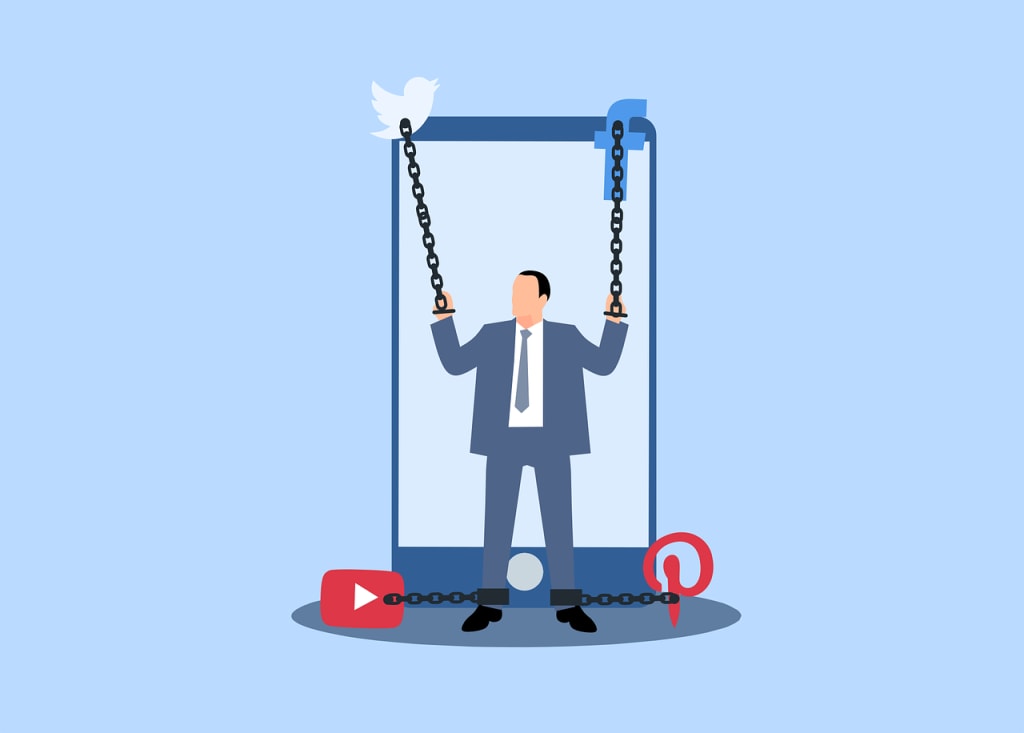
Social media has become an integral part of our daily lives, connecting billions of people worldwide. While platforms like Facebook, Instagram, TikTok, and Twitter offer a space for communication, self-expression, and information sharing, they also raise significant concerns regarding mental health. The constant exposure to curated content, online validation, and digital interactions can lead to stress, anxiety, depression, and other psychological issues.
In this article, we will explore the impact of social media on mental health, discuss the psychological effects of excessive usage, and provide actionable strategies to find balance in the digital age.
The Psychological Effects of Social Media
1. Anxiety and Depression
Studies have shown a correlation between heavy social media use and increased anxiety and depression. The pressure to maintain a perfect online presence and the fear of missing out (FOMO) contribute to heightened stress levels. When users compare their lives to the seemingly flawless images and achievements of others, they may experience feelings of inadequacy and loneliness.
2. Sleep Disruptions
The blue light emitted from screens suppresses melatonin production, disrupting the natural sleep cycle. Many individuals engage in "doom scrolling" before bedtime, consuming negative or stressful content, which further hinders restful sleep. Poor sleep patterns contribute to irritability, mood swings, and reduced cognitive function.
3. Cyberbullying and Harassment
Unlike traditional bullying, cyberbullying follows victims into their personal spaces, making it inescapable. Online harassment, trolling, and negative comments can severely impact self-esteem and lead to mental distress. For teenagers and young adults, cyberbullying has been linked to increased suicide risks and long-term emotional trauma.
4. Decreased Attention Span
The rapid consumption of short-form content on platforms like TikTok and Instagram Reels has led to a decrease in attention spans. Constantly scrolling through bite-sized videos conditions the brain to seek instant gratification, making it harder to focus on longer, more meaningful tasks. This can affect academic performance, productivity, and deep learning capabilities.
5. Addiction and Dopamine Dependence
Social media platforms are designed to be addictive, utilizing algorithms that trigger dopamine release—the brain’s pleasure chemical—when users receive likes, comments, and shares. Over time, individuals may develop a dependency on social validation, leading to compulsive usage and withdrawal symptoms when not online.
Positive Aspects of Social Media
Despite its challenges, social media also has positive implications for mental health when used mindfully.
1. Connection and Community
Social media enables people to stay connected with family, friends, and like-minded individuals. Support groups, mental health advocates, and wellness communities provide valuable resources for those struggling with mental health challenges.
2. Educational and Awareness Opportunities
Many organizations and influencers use social media to spread awareness about mental health, self-care techniques, and therapy resources. The rise of mental health content creators has helped destigmatize conversations surrounding psychological well-being.
3. Creative and Emotional Expression
Platforms like YouTube, Instagram, and TikTok allow users to express themselves through art, music, storytelling, and personal experiences. This creative outlet can be therapeutic and empowering, fostering self-confidence and resilience.
Finding Balance: Healthy Social Media Habits
To harness the benefits of social media while minimizing its negative effects, individuals must adopt a balanced approach.
Here are some effective strategies:
1. Set Screen Time Limits
Use built-in digital wellness tools or apps to monitor and limit daily social media usage. Allocating specific time slots for browsing can prevent mindless scrolling and encourage more productive activities.
2. Curate Your Feed Mindfully
Unfollow accounts that trigger negative emotions, comparison, or stress. Instead, follow uplifting, educational, and inspirational pages that align with your values and interests.
3. Engage in Offline Activities
Prioritize face-to-face interactions, outdoor activities, reading, or hobbies that do not involve screens. Engaging in real-world experiences enhances mental well-being and reduces dependency on virtual validation.
4. Digital Detox
Periodically take breaks from social media—whether it's for a day, a weekend, or longer. A digital detox helps reset the brain, improve focus, and restore a sense of mindfulness.
5. Practice Mindful Social Media Us
Before posting or engaging with content, ask yourself: "Is this adding value to my life?" Mindful interactions foster healthier relationships with digital platforms and encourage intentional consumption.
6. Seek Professional Support When Needed
If social media is negatively impacting mental health, consider seeking therapy or counselling. Mental health professionals can provide coping strategies and tailored guidance to navigate online stressors.
Conclusion
Social media is a powerful tool that shapes modern communication, but its influence on mental health cannot be ignored. By understanding its psychological effects and adopting mindful usage practices, individuals can create a healthier relationship with digital platforms. Finding balance in the digital age is essential for overall well-being, allowing users to enjoy the benefits of social connectivity without compromising their mental health.
About the Creator
Raviraj Fuke
Hey, Join with me & grow together on Spirituality & Lifestyle.
Enjoyed the story? Support the Creator.
Subscribe for free to receive all their stories in your feed.
Comments
There are no comments for this story
Be the first to respond and start the conversation.