
The Hidden Consequences of Not Replacing a Missing Tooth
Why Replacing a Missing Tooth is More Than Cosmetic

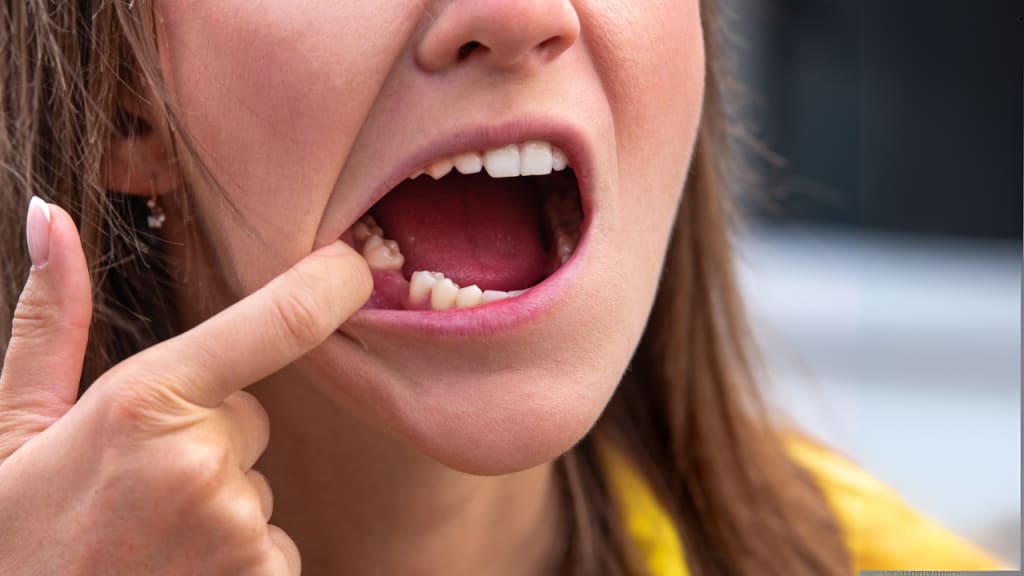
A missing tooth might seem like a minor inconvenience, especially if it’s in an area that isn’t visible when you smile. However, the absence of even a single tooth can significantly affect your oral health, overall well-being, and confidence. While many people delay replacing a missing tooth for financial or personal reasons, the long-term consequences of neglecting this issue can be far-reaching.
In this article, we’ll explore what happens if you don’t replace a missing tooth, why it matters, and the options available to restore both function and aesthetics to your smile.
The Domino Effect of a Missing Tooth
A missing tooth isn’t an isolated issue—it sets off a chain reaction that can compromise your oral health and affect the rest of your body. Below, we delve into the hidden effects of tooth loss.
2. Bone Loss and Jaw Deterioration
When a tooth is lost, the jawbone beneath it no longer receives the stimulation it needs from chewing. Over time, this leads to a process called bone resorption, where the bone begins to shrink and weaken.
- How it Happens: Your jawbone relies on the pressure and stimulation from chewing to maintain its density. Without a tooth root to transmit these forces, the bone in the area begins to degrade.
- Long-Term Impact: Over the months and years, this can result in a sunken facial appearance, premature aging, and weaker bone structure that complicates future dental procedures like implants.
2. Teeth Shifting Out of Alignment
Your teeth rely on each other for stability. When one tooth is missing, the neighboring teeth begin to drift into the empty space. This gradual movement, known as tooth shifting, can have several effects:
- Crooked Teeth: Misalignment makes it harder to clean your teeth properly, increasing the risk of cavities and gum disease.
- Bite Problems: Teeth shifting can create an uneven bite, leading to issues like jaw pain, teeth grinding, or temporomandibular joint (TMJ) disorders.
- Gaps and Overcrowding: Over time, the entire alignment of your smile may be affected, requiring orthodontic treatment.
3. Increased Risk of Gum Disease
The gap left by a missing tooth creates an area where food particles and bacteria can easily accumulate. Without a tooth in place, the gums in this area are more vulnerable to infection.
- Plaque Build-Up: The exposed gums become a magnet for plaque and tartar, which can lead to periodontal disease if left untreated.
- Progression to Other Teeth: Gum disease doesn’t stay localized; it can spread to the surrounding teeth and gums, creating a larger oral health issue.
4. Difficulty Eating and Speaking
Every tooth in your mouth plays a role in chewing and speaking. When one is missing, it disrupts the balance of your bite and your ability to enunciate words clearly.
- Chewing Issues: You may find it harder to bite or chew certain foods, leading to digestive problems if you’re unable to properly break down your meals.
- Speech Impediments: Depending on the location of the missing tooth, you might notice changes in the way you pronounce certain words, which can impact your confidence in social situations.
5. Psychological and Emotional Impact
Tooth loss is not just a physical issue—it has emotional and psychological implications as well.
- Self-Confidence: A gap in your smile can make you feel self-conscious, particularly in professional or social settings.
- Social Anxiety: Many people with missing teeth avoid smiling, laughing, or even speaking in public, which can lead to isolation and reduced quality of life.
Why Replacing a Missing Tooth is Essential
While the consequences of ignoring a missing tooth are significant, there are effective solutions to restore your smile and prevent further damage. Let’s explore why it’s crucial to act promptly.
Preserve Bone Density
Dental implants, for example, are designed to replace the root of the tooth, providing the necessary stimulation to keep your jawbone healthy. Without this intervention, bone loss will continue to progress.
Restore Functionality
Replacing a missing tooth improves your ability to eat, speak, and live comfortably. Whether through a dental implant, bridge, or denture, restoring that lost functionality has a direct impact on your quality of life.
Protect Oral Health
Filling the gap left by a missing tooth prevents neighboring teeth from shifting, reducing the risk of gum disease, misalignment, and bite problems.
Boost Confidence and Aesthetics
Let’s face it—a complete smile is a confident smile. Replacing a missing tooth allows you to regain your self-esteem, helping you feel more comfortable in social and professional situations.
Options for Replacing a Missing Tooth
Modern dentistry offers a variety of solutions tailored to meet different needs, budgets, and preferences. Here are some common options to consider:
1. Dental Implants
Dental implants are widely considered the gold standard for tooth replacement. They involve the placement of a titanium post into the jawbone, which acts as a replacement root. A crown is then attached to the implant, creating a natural-looking and fully functional tooth.
- Benefits: Long-lasting, prevents bone loss, and closely mimics a natural tooth.
- Considerations: Requires sufficient bone density and a longer healing period.
2. Dental Bridges
A dental bridge is a non-removable restoration that uses the neighboring teeth as anchors to support an artificial tooth in the gap.
- Benefits: Quicker and less invasive than implants, and provides a stable solution.
- Considerations: May require altering adjacent teeth, and does not prevent bone loss.
3. Partial or Full Dentures
Dentures are removable appliances that can replace multiple missing teeth or a full arch.
- Benefits: Affordable and non-invasive.
- Considerations: Less stability compared to implants or bridges, and may require periodic adjustments.
Delaying Tooth Replacement: The Cost of Inaction
While the cost of tooth replacement might seem daunting, delaying treatment often leads to higher expenses down the road. Complications like bone loss, misalignment, and gum disease can require extensive and costly interventions to resolve.
Investing in replacing a missing tooth today not only saves you money in the long run but also protects your overall oral health and well-being.
Conclusion: Take Action for a Healthier Smile
Replacing a missing tooth is about more than just aesthetics—it’s a critical step in maintaining your oral health, preserving your confidence, and preventing long-term complications. Whether you choose a dental implant, bridge, or denture, the important thing is to act before the consequences of tooth loss take hold.
Your smile is worth it. Consult with a dental professional today to explore your options and take the first step toward restoring your complete and healthy smile.
FAQs About Replacing a Missing Tooth
1. How soon should I replace a missing tooth?
Ideally, you should replace a missing tooth as soon as possible to prevent bone loss and shifting teeth.
2. Are dental implants painful?
The procedure is performed under anesthesia, and most patients report minimal discomfort during recovery.
3. What if I can’t afford a dental implant?
Options like bridges or dentures provide more affordable alternatives, and many dental offices offer financing plans.
4. Can a missing tooth cause health problems?
Yes, it can lead to bone loss, gum disease, misalignment, and even digestive issues due to improper chewing.
5. How do I know which replacement option is best for me?
A dentist will assess your oral health, bone density, and budget to recommend the most suitable solution.
By understanding the consequences of tooth loss and the benefits of timely replacement, you’re taking the first step toward a healthier, more confident you. Don’t let a missing tooth hold you back—take action today!
About the Creator
Christina B Lacy
Christina B Lacy is an expert writer with 10+ years of experience, specializing in creating clear, engaging content on oral health and dental innovations for practices and publications worldwide.
Enjoyed the story? Support the Creator.
Subscribe for free to receive all their stories in your feed.
Comments
There are no comments for this story
Be the first to respond and start the conversation.