
The Growing Importance of Inclusive and Personalized NDIS Support in 2026
Why Personalized and Multilingual NDIS Support Matters in 2026

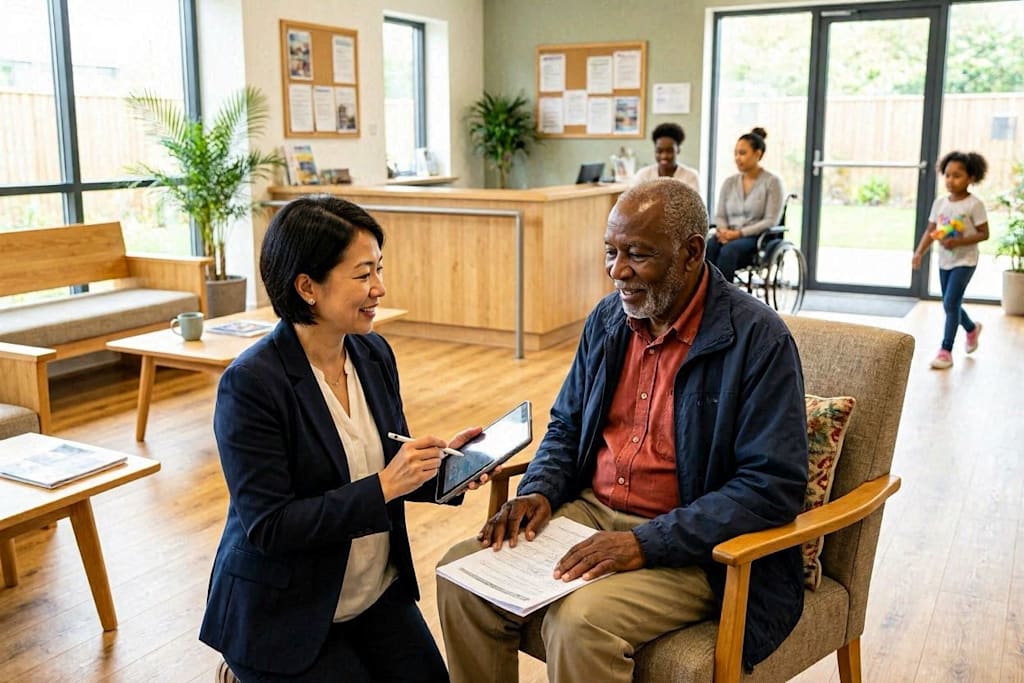
Australia's disability support landscape continues to evolve, and as we move toward 2026, participants are seeking services that go beyond standard care. Today, successful support programs focus on inclusion, communication, cultural understanding, and personalized assistance that empowers individuals to live independently and confidently.
For many participants and families, finding a provider that understands their unique background, language preferences, and personal goals can significantly improve their overall NDIS experience. The future of disability support is not simply about delivering services—it's about creating meaningful connections that help participants thrive in their communities.
As Australia's multicultural population grows, personalized and culturally responsive support services are becoming increasingly important across the NDIS sector.
## Why Personalization Matters More Than Ever
Every NDIS participant has different goals, challenges, and aspirations. Some individuals may require assistance with daily activities, while others focus on social participation, employment opportunities, education, or independent living skills.
A personalized approach ensures support services are tailored to each participant's circumstances rather than relying on generic care models.
Benefits of individualized support include:
* Improved participant satisfaction
* Better goal achievement
* Increased confidence
* Stronger family involvement
* Enhanced communication
* Greater independence
When participants feel understood and respected, they are more likely to engage actively in their support plans and achieve meaningful outcomes.
## The Role of Communication in Quality Support
Effective communication forms the foundation of successful disability support services. Without clear communication, misunderstandings can occur, reducing the effectiveness of care and limiting participant engagement.
For participants from culturally and linguistically diverse backgrounds, language barriers can create additional challenges when accessing support, understanding services, and expressing personal preferences.
This is why providers offering **[NDIS multilingual support services in Melbourne](https://www.sahimacareservices.com.au/services.html)** play an increasingly valuable role in ensuring participants receive support in a language and communication style they feel comfortable with.
When participants can communicate openly with their support teams, they often experience:
* Greater trust
* Improved service coordination
* Better understanding of NDIS plans
* Stronger participation in decision-making
* Enhanced confidence and wellbeing
## Supporting Melbourne's Diverse Communities
Melbourne is one of Australia's most culturally diverse cities. People from a wide range of linguistic and cultural backgrounds call the city home, bringing unique traditions, values, and communication preferences.
As a result, disability support providers are increasingly recognizing the importance of cultural awareness and language accessibility.
### Cultural Understanding Improves Outcomes
Culturally responsive support goes beyond translation services. It involves understanding family dynamics, community values, traditions, and individual preferences.
Participants often feel more comfortable when support workers understand their cultural background and respect their personal beliefs.
This approach helps build stronger relationships and promotes a greater sense of belonging.
### Language Accessibility Encourages Independence
Language barriers can sometimes limit access to important services and information. Providing support in a participant's preferred language helps ensure they fully understand their options and can make informed decisions about their care.
This contributes directly to increased independence and self-advocacy.
## The Rise of Participant-Led Support Models
One of the most significant developments within the NDIS sector is the shift toward participant-led care.
Rather than directing participants toward predetermined solutions, providers are increasingly working collaboratively to understand what matters most to each individual.
Participant-led support encourages:
* Choice and control
* Goal-focused planning
* Greater flexibility
* Individual empowerment
* Improved service satisfaction
This model aligns closely with the core principles of the NDIS, which emphasize participant autonomy and personalized support.
## Understanding the Value of Daily Living Assistance
Daily living assistance remains one of the most important support categories for many participants.
These services help individuals maintain independence while managing everyday tasks that may otherwise become challenging.
Support may include:
* Personal care assistance
* Household tasks
* Meal preparation
* Community access
* Medication reminders
* Mobility support
When delivered through a personalized framework, these services can significantly improve quality of life.
Providers focused on **[patient centered care in Melbourne](https://www.sahimacareservices.com.au/services/ndis-daily-life-assistance.html)** recognize that every participant's needs, goals, and preferences should guide the support they receive.
## Technology and the Future of Disability Support
Technology is playing a larger role in the delivery of NDIS services as we approach 2026.
Digital tools are helping providers improve communication, service coordination, and participant engagement.
Emerging technologies include:
* Virtual support consultations
* Mobile communication platforms
* Digital care planning tools
* Assistive technologies
* Remote monitoring solutions
These innovations can increase accessibility while giving participants greater flexibility in how they receive support.
Importantly, technology works best when combined with genuine human connection and personalized care.
## Building Confidence Through Community Participation
Social inclusion remains a vital component of participant wellbeing.
Many individuals benefit from opportunities to engage in community activities, develop friendships, and pursue personal interests.
Community participation programs can support:
* Recreational activities
* Educational opportunities
* Skill-building workshops
* Volunteer experiences
* Social events
* Employment pathways
These experiences contribute to improved confidence, stronger social networks, and greater independence.
When support providers actively encourage community engagement, participants often experience long-term personal growth and increased self-esteem.
## Choosing the Right NDIS Provider in 2026
As participants evaluate their options, several factors should be considered when selecting a support provider.
### Look for Personalized Services
Providers should demonstrate a genuine commitment to understanding participant goals and tailoring services accordingly.
### Evaluate Communication Practices
Clear communication, responsiveness, and transparency are essential qualities of a trusted provider.
### Consider Cultural Competency
Providers that understand cultural diversity and language needs are often better equipped to deliver meaningful and effective support.
### Assess Flexibility
Participant needs may change over time. Flexible service delivery ensures support remains relevant and effective as circumstances evolve.
## The Future of Inclusive Disability Support
The future of disability support lies in creating services that are flexible, culturally responsive, and deeply personalized.
As Australia's communities become increasingly diverse, providers must continue adapting their approaches to ensure every participant feels valued, respected, and empowered.
Inclusive support is not simply about meeting service requirements—it is about creating opportunities for individuals to achieve their goals, strengthen their independence, and participate fully in the communities they call home.
## Final Thoughts
As we move into 2026, the demand for personalized and culturally responsive NDIS services will continue to grow. Participants increasingly expect support that reflects their individual goals, communication preferences, and cultural backgrounds.
Providers that embrace multilingual communication, participant-led planning, and person-focused care are helping shape a more inclusive future for disability support. By prioritizing understanding, respect, and empowerment, these services can make a meaningful difference in the lives of participants and their families.
About the Creator
Aaron James
We provide personalised NDIS support services to help you live confidently, stay connected, and enjoy a better quality of life — at home and in the community.
Enjoyed the story? Support the Creator.
Subscribe for free to receive all their stories in your feed.
Comments
There are no comments for this story
Be the first to respond and start the conversation.