
The Essential Role of Lab Testing in Ensuring Pure and Safe Plant Medicines
Ensuring Safety and Efficacy: The Critical Role of Lab Testing in Plant Medicine
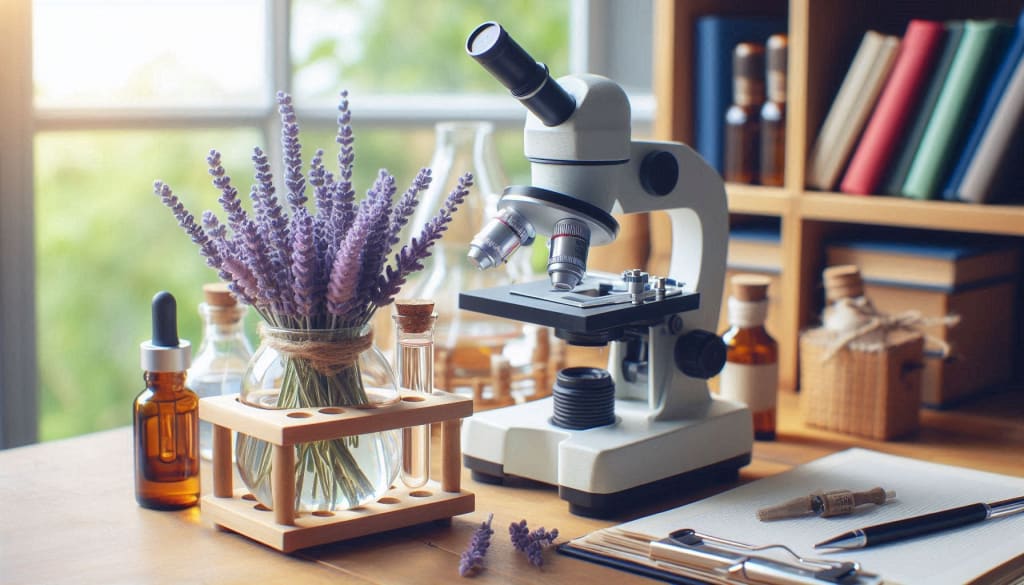
In the burgeoning field of plant medicine, the promise of natural remedies has captured the attention of both traditional and alternative medicine practitioners. As interest in herbal and plant-based treatments grows, so does the need to ensure their safety, efficacy, and quality. This is where lab testing becomes crucial. Testing plant medicine in Canada for purity, heavy metals, and pathogens is not just a regulatory formality; it is an essential practice for safeguarding health and maintaining the integrity of the medicinal plant industry.
Purity: Ensuring Authenticity and Efficacy
Purity testing involves verifying that a plant medicine contains the intended herbal ingredients without contamination from foreign substances. This is vital for several reasons. Firstly, the therapeutic effectiveness of plant medicine depends on the correct composition of its active constituents. A lack of purity can lead to diminished efficacy, making the medicine less effective or even entirely ineffective.
Moreover, plant medicines are often used as alternatives to conventional pharmaceuticals, where precision in dosages and formulations is paramount. If a plant-based remedy is adulterated with synthetic substances or other plant species, it may not only be ineffective but could also pose risks to health. For instance, if a product claims to be a specific herb but contains other, potentially harmful herbs, it can cause adverse effects or interfere with other medications.
Heavy Metals: Preventing Toxicity
Heavy metals such as lead, arsenic, cadmium, and mercury are environmental contaminants that can accumulate in plants. These metals are detrimental to human health, and their presence in plant medicines poses significant risks. Heavy metal contamination can occur due to various factors, including polluted soil, water, or industrial activities.
Regular testing for heavy metals ensures that plant medicines meet safety standards and are free from toxic levels of these contaminants. Chronic exposure to heavy metals can lead to severe health issues, including neurological damage, kidney disease, and cancer. For example, long-term exposure to lead can impair cognitive functions and cause developmental issues in children. By ensuring that plant medicines are free from harmful heavy metals, lab testing helps prevent such risks and contributes to the overall safety of herbal treatments.
Pathogens: Safeguarding Against Contamination
Pathogen testing is essential for identifying and eliminating harmful microorganisms such as bacteria, fungi, and viruses that may contaminate plant medicines. Pathogens can be introduced during cultivation, harvest, processing, or storage. Contaminated plant medicines can cause infections, allergic reactions, or other health issues when consumed.
For instance, fungal contamination can lead to the growth of mycotoxins, which are toxic compounds produced by certain fungi. Mycotoxins can cause a range of health problems, from gastrointestinal issues to more severe conditions like liver damage or cancer. Similarly, bacterial contamination can lead to infections or gastrointestinal distress.
Ensuring that plant medicines are free from pathogens through rigorous testing helps to maintain their safety and efficacy. It also prevents the spread of potential diseases and protects consumers from adverse health effects.
Regulatory Compliance and Consumer Trust
Lab testing for purity, heavy metals, and pathogens is not just about safeguarding health; it also plays a crucial role in regulatory compliance and consumer trust. Many countries have regulations in place that require plant medicines to undergo rigorous testing before they can be marketed. Compliance with these regulations is essential for manufacturers to legally sell their products and avoid potential legal issues.
Furthermore, transparent lab testing and certification build consumer trust. In an industry where product claims and ingredient authenticity are often questioned, consumers are more likely to trust products that are backed by independent, third-party lab results. By providing evidence of rigorous testing, manufacturers can demonstrate their commitment to quality and safety, thereby enhancing their credibility and reputation.
Conclusion
The importance of lab testing plant medicine for purity, heavy metals, and pathogens cannot be overstated. These tests are vital for ensuring the safety, efficacy, and quality of plant-based remedies. By verifying that plant medicines are free from contaminants and pathogens, lab testing helps protect consumers from potential health risks and contributes to the integrity of the herbal medicine industry. In a market where trust and quality are paramount, rigorous lab testing is not just a regulatory requirement, but a fundamental practice that underpins the safe and effective use of plant medicine.
About the Creator
Enjoyed the story? Support the Creator.
Subscribe for free to receive all their stories in your feed.
Comments
There are no comments for this story
Be the first to respond and start the conversation.