
The Essential Guide to Dense Mesh Belts in Industrial Conveying
Industrial Conveyingg
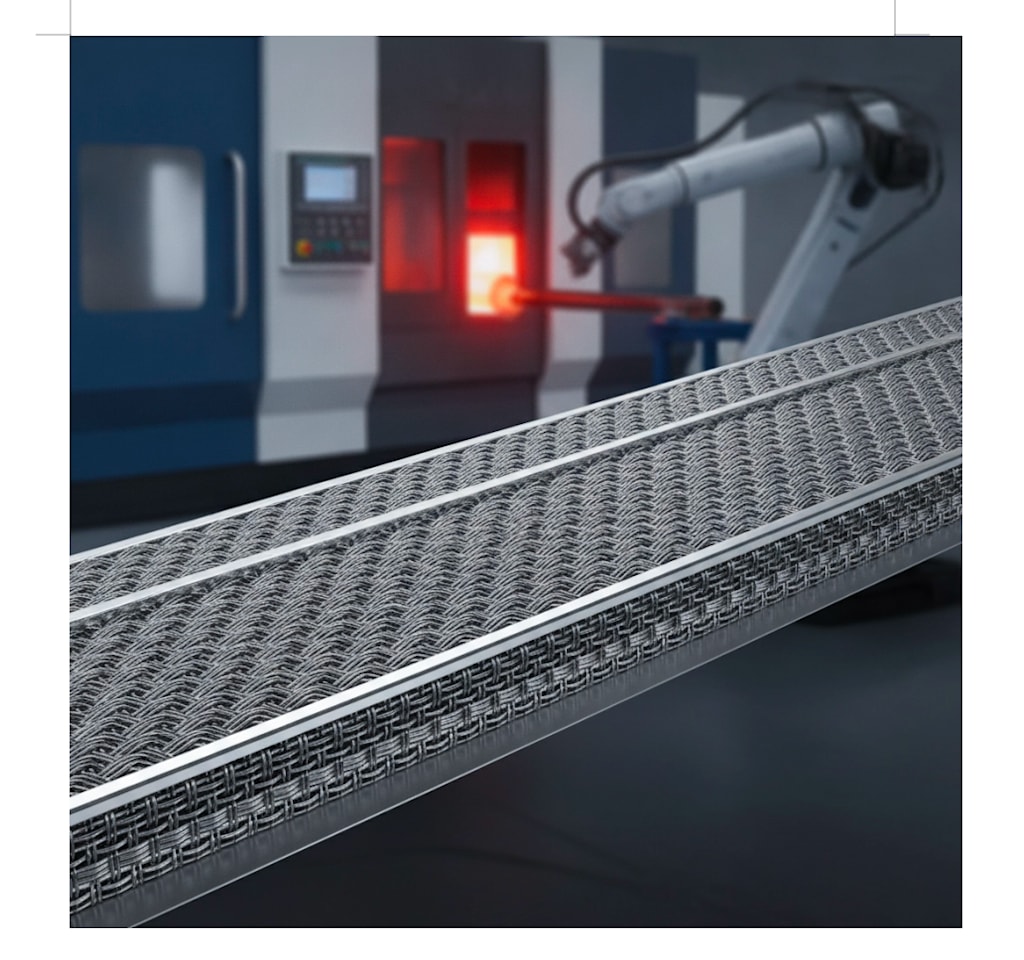
Manufacturing companies continue to invest in advanced conveyor systems as production demands grow worldwide. Recent industrial reports show rising interest in automated material handling across food processing, metal treatment, electronics, and packaging industries. This shift has increased attention on Dense Mesh Belts, which provide stable transport for products requiring precision and durability.
Industrial engineers now seek conveyor components that improve production while reducing maintenance costs. New designs focus on efficiency, product quality, and environmental responsibility. These developments support technology adoption across modern factories and distribution centers.
Manufacturing Sector Sees Strong Conveyor Innovation
Industrial automation has become a leading investment priority over the past year. Manufacturers continue replacing outdated conveying equipment with modern alternatives that improve reliability.
Conveyor technology now supports faster production without reducing product quality. Engineers also prioritize equipment that operates under demanding temperatures and heavy loads.
Dense woven conveyor systems remain important because they transport small and delicate products safely. Their structure minimizes product loss while maintaining smooth movement across production lines.
Companies introducing smart factories increasingly select conveyor systems that support continuous monitoring and predictive maintenance. These features reduce unexpected downtime and improve production planning.
Why Dense Mesh Conveyor Systems Matter
Modern industries handle products with different sizes, weights, and surface conditions. Standard conveyors may not always provide the required support.
Dense Mesh Belts offer tightly woven surfaces that prevent smaller materials from falling through the conveyor. This design creates stable movement throughout the production process.
Industries commonly using these systems include:
Food processing
Baking operations
Metal heat treatment
Glass manufacturing
Electronics assembly
Pharmaceutical production
Chemical processing
Each industry values consistent movement because production quality depends on reliable transportation.
Growing Demand Across Food Processing
Food manufacturers continue expanding automated production lines. Consumer demand for packaged foods has encouraged investment in hygienic conveyor systems.
Dense woven belts allow air circulation while supporting small food products. Bakeries often use them for cookies, crackers, and snack items.
Processors also value easy cleaning procedures that help maintain food safety standards. Stainless steel materials simplify sanitation and reduce contamination risks.
These improvements support compliance with international food manufacturing regulations.
Heat Treatment Applications Continue Expanding
Metal processing facilities operate under extreme temperatures. Conveyor equipment must survive continuous exposure to heat without losing strength.
Dense woven conveyor systems perform well inside heat treatment furnaces. Their construction supports stable transportation during hardening, tempering, and annealing operations.
Manufacturers appreciate their long operating life because replacement costs remain significant in high-temperature environments.
Reliable equipment also reduces production interruptions.
Material Selection Shapes Performance
Engineers evaluate conveyor materials according to operating conditions.
Common material choices include:
Stainless steel
Carbon steel
High-temperature alloys
Nickel-based materials
Each option offers different mechanical properties. Selection depends on temperature, product weight, environmental exposure, and cleaning requirements.
One important advantage involves excellent corrosion resistance, especially in humid or chemically demanding production environments. This feature extends service life while lowering maintenance expenses.
Manufacturers increasingly prioritize materials that balance durability with long-term operating efficiency.
Industrial Automation Supports Conveyor Upgrades
Automation continues transforming manufacturing worldwide.
Modern conveyor systems integrate with sensors, robotic equipment, and digital monitoring software.
Smart monitoring provides several operational advantages:
Early fault detection
Reduced maintenance downtime
Better production scheduling
Improved equipment utilization
Higher product consistency
These developments encourage manufacturers to modernize older conveyor infrastructure.
Sustainability Influences Equipment Choices
Environmental goals now influence industrial purchasing decisions.
Factories seek equipment that reduces energy consumption and minimizes material waste.
Dense woven conveyor solutions contribute by offering:
Longer operational lifespan
Lower replacement frequency
Reduced maintenance requirements
Improved production efficiency
Better material handling accuracy
Sustainable equipment investments support both environmental objectives and operational profitability.
Design Improvements Enhance Reliability
Engineering teams continue refining conveyor construction.
Recent developments include:
Improved wire weaving patterns
Stronger welded joints
Better load distribution
Enhanced edge reinforcement
Optimized airflow designs
These upgrades improve durability while supporting consistent production across demanding industrial environments.
Manufacturers benefit from fewer equipment failures and longer maintenance intervals.
Supporting High-Precision Manufacturing
Electronics and pharmaceutical manufacturers require careful product handling.
Small components cannot shift unexpectedly during transportation.
Dense woven conveyor surfaces provide greater stability throughout assembly and inspection processes.
Accurate movement reduces product damage while maintaining production quality.
Automation systems also synchronize conveyor speeds with robotic equipment for better manufacturing precision.
Maintenance Remains an Industry Priority
Industrial operators increasingly recognize preventive maintenance as a cost-saving strategy.
Routine inspections help identify early wear before failures occur.
Recommended maintenance practices include:
Regular cleaning
Wire inspection
Belt tension adjustment
Roller examination
Lubrication of moving components
Alignment verification
These procedures extend equipment life while maintaining production efficiency.
Predictive maintenance technologies further improve equipment reliability by monitoring operating conditions continuously.
Global Supply Chains Encourage Equipment Modernization
International manufacturing depends on reliable production systems.
Supply chain disruptions have encouraged companies to strengthen factory resilience.
Modern conveyor equipment supports this objective through dependable operation and reduced maintenance requirements.
Manufacturers also seek standardized equipment that simplifies replacement parts management across multiple facilities.
This trend continues supporting demand for advanced conveying technologies.
Safety Standards Continue Improving
Workplace safety remains central to industrial investment.
Modern conveyor systems include features that protect operators and reduce accident risks.
Common safety improvements include:
Emergency stop controls
Protective guarding
Stable product transport
Reduced manual handling
Automated monitoring systems
These features improve workplace conditions while supporting regulatory compliance.
Safer equipment also contributes to improved employee productivity.
Future Outlook for Industrial Conveying
Industry analysts expect continued growth in automation investments over the coming years.
Artificial intelligence, machine learning, and Industrial Internet of Things technologies will further improve conveyor performance.
Future developments may include:
Self-monitoring conveyor systems
Automated maintenance scheduling
Energy optimization software
Advanced wear detection
Remote equipment diagnostics
These innovations will help manufacturers improve productivity while controlling operating costs.
As digital factories expand, reliable conveying equipment will remain essential for efficient production.
Conclusion
Industrial conveying technology continues evolving alongside automation and smart manufacturing. Companies increasingly prioritize reliability, efficiency, and sustainability when selecting conveyor equipment. Dense woven conveyor systems meet these expectations by supporting stable product movement across demanding production environments.
Growing investment in automation, predictive maintenance, and digital manufacturing strengthens demand for advanced conveyor solutions. Their durability, precision, and adaptability make them valuable across food processing, heat treatment, electronics, pharmaceuticals, and packaging industries.
As manufacturers modernize operations, Dense Mesh Belts will remain an important component of efficient production systems. Combined with superior corrosion resistance, thoughtful engineering, and continuous innovation, these conveyor solutions support safer, more productive, and future-ready industrial facilities.
About the Creator
Emily Carter
Emily Carter is a freelance writer focused on SEO, digital marketing, content publishing, and online business trends. Her articles provide insights into search optimization, content strategy, and the evolving world of digital media.
Enjoyed the story? Support the Creator.
Subscribe for free to receive all their stories in your feed.
Comments
There are no comments for this story
Be the first to respond and start the conversation.