
The Convenience of Composite Bonding Service Near Me
Composite Bonding Service Near Me
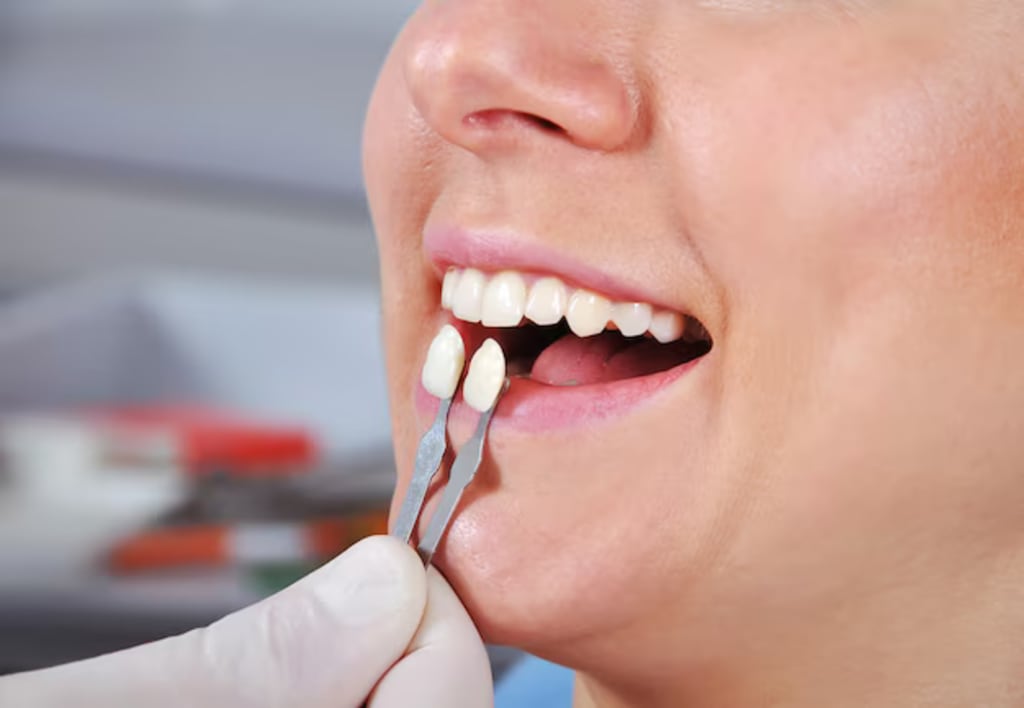
In cosmetic dentistry, composite bonding has emerged as a highly sought-after treatment for improving the appearance of teeth. This procedure offers a practical solution for individuals looking to address a range of dental imperfections, including chips, gaps, discolouration, and misalignment. The increasing demand for composite bonding services reflects not only its effectiveness but also the convenience it provides to patients seeking accessible dental care.This article explores the advantages of composite bonding near me, including the procedure and convenience of such services.
What is Composite Bonding?
Composite bonding is a cosmetic dental procedure that involves applying a tooth-coloured resin to the surface of a tooth. This resin is made from a mixture of plastic and glass, which allows it to blend seamlessly with the tooth's natural colour. The bonding material can be sculpted to achieve the desired shape and contour, making it a versatile option for various dental concerns.
Composite bonding enhances teeth' aesthetic appearance while providing additional strength and protection. It can be used to fill cavities, repair chipped teeth, close gaps, and improve the overall symmetry of a smile. The procedure is relatively simple and can often be completed in a single visit, making it an attractive option for individuals looking for quick results.
The Composite Bonding Procedure
Composite bonding typically involves several straightforward steps, allowing patients to enjoy a hassle-free experience.
1. Initial Consultation
The journey begins with an initial consultation with a dental professional. During this appointment, the dentist assesses the patient’s oral health and discusses their cosmetic goals. This evaluation helps determine whether composite bonding is appropriate for the individual’s needs.
2. Tooth Preparation
Once the decision is made to proceed, the dentist will prepare the tooth or teeth that require bonding. This preparation may involve roughening the tooth's surface to create a better bond for the composite material. In some cases, local anaesthesia may be administered to ensure the patient’s comfort during the procedure.
3. Application of Composite Material
The dentist will then apply the composite resin to the tooth, carefully shaping and moulding it to achieve the desired appearance. The resin is applied in layers, and each layer is cured using a special light that hardens the material. This process allows the dentist to build up the bonding to match the natural contours of the tooth effectively.
4. Final Adjustments and Polishing
After the composite material has been shaped and hardened, the dentist will make any necessary adjustments to ensure a proper bite and alignment. Once satisfied with the shape and fit, the dentist will polish the bonded area to achieve a smooth and natural finish.
5. Post-Procedure Care
Patients will receive guidance on how to care for their newly bonded teeth. While composite bonding is durable, avoiding habits such as biting on complex objects or using teeth as tools can help prolong the lifespan of the bonding.
Advantages of Composite Bonding
Composite bonding offers numerous benefits, making it an attractive option for those seeking cosmetic dental improvements.
1. Aesthetic Appeal
One of the most significant advantages of composite bonding is its ability to provide natural-looking results. The resin material can be colour-matched to the patient’s existing teeth, ensuring a seamless blend that enhances the overall smile. This aesthetic appeal is significant for individuals who desire a subtle yet effective transformation.
2. Quick and Convenient
Composite bonding is known for its efficiency, often requiring only one visit to complete the procedure. This quick turnaround time is especially appealing for busy individuals who may not have the luxury of multiple dental appointments. The convenience of having composite bonding services nearby further enhances accessibility, allowing patients to receive treatment without extensive travel.
3. Minimally Invasive
Unlike some other cosmetic procedures, composite bonding is minimally invasive. The process typically requires minimal tooth structure removal, preserving the natural tooth's integrity. This aspect makes bonding a conservative option for addressing dental imperfections while achieving impressive results.
4. Cost-Effective Solution
Composite bonding is generally more affordable than other cosmetic dental treatments, such as porcelain veneers or crowns. The lower cost and quick application process make composite bonding appealing for individuals seeking practical smile enhancements without breaking the bank.
5. Versatile Applications
The versatility of composite bonding allows it to address a wide range of dental issues. The procedure can be tailored to meet various aesthetic needs, from repairing chipped teeth to filling cavities and closing gaps. This adaptability makes it an excellent option for individuals with multiple concerns.
Finding Convenient Composite Bonding Services
For those considering composite bonding, locating a nearby dental practice that offers these services is essential. Here are some tips for finding convenient composite bonding services in your area:
1. Online Research
A simple online search can yield a wealth of information about local dental practices that offer composite bonding. Many dental websites provide details about their services, including cosmetic options. Online reviews and testimonials can also give insights into the experiences of other patients.
2. Ask for Recommendations
Word-of-mouth referrals can be invaluable when searching for a reputable dental practice. Friends, family, or colleagues who have undergone composite bonding may provide recommendations based on their experiences. Personal insights help narrow down options and ensure a positive treatment experience.
3. Check Qualifications
When selecting a dental professional for composite bonding, verifying their qualifications and expertise is essential. Look for dentists with experience in cosmetic dentistry and are members of professional organisations. This ensures that the practitioner is skilled and knowledgeable in providing high-quality care.
4. Schedule a Consultation
After identifying potential dental practices, scheduling an initial consultation can help assess whether they fit. During this visit, patients can discuss their cosmetic goals, evaluate the practice’s atmosphere, and gauge their comfort level with the dental team.
In summary, composite bonding has become a convenient and effective solution for enhancing smiles. Its aesthetic appeal, quick application process, and versatility make it a go-to choice for individuals seeking to address dental imperfections. The convenience of finding composite bonding services nearby further adds to its attractiveness, allowing patients to make positive changes to their smiles easily. By exploring local options and consulting with dental professionals, individuals can enjoy the benefits of composite bonding and achieve the beautiful smile they desire.
About the Creator
Enjoyed the story? Support the Creator.
Subscribe for free to receive all their stories in your feed.
Comments
There are no comments for this story
Be the first to respond and start the conversation.