
The Complete Guide to Color Blindness and How it Affects Your Life
The Complete Guide to Color Blindness

Introduction: What is Color Blindness?
Color blindness is the inability of the human eye to distinguish certain colors. It is a common condition, affecting about one in twelve males and one in 200 females.
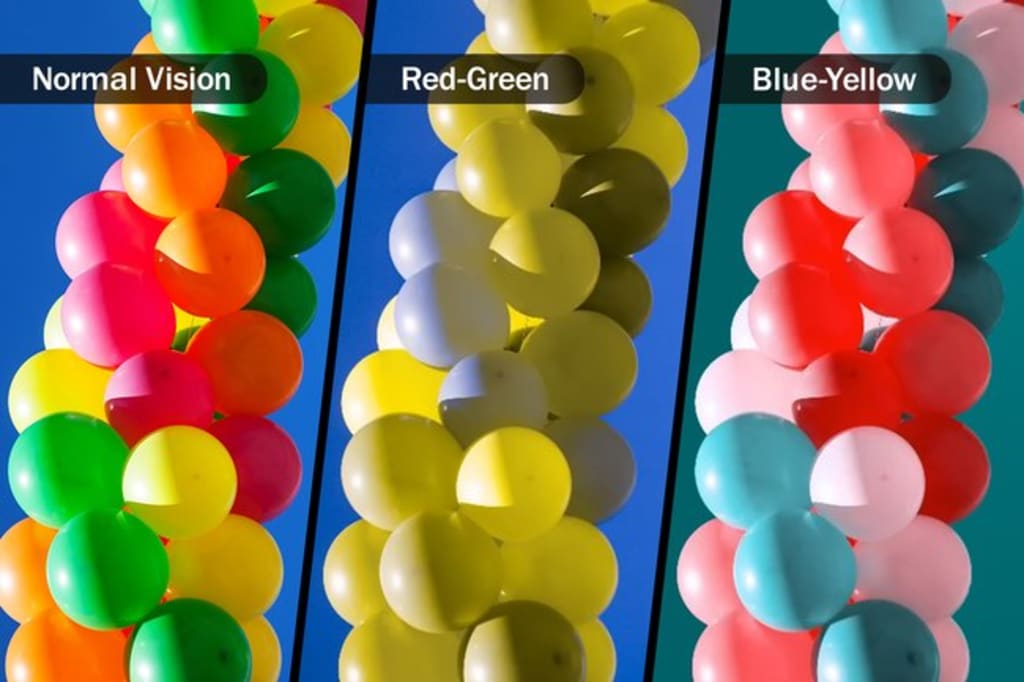
There are three types of color blindness:
- Red-green color blindness, where people have difficulty distinguishing between reds and greens.
- Blue-yellow color blindness, where people have difficulty distinguishing between blue and yellow.
- Complete or near-complete color blindness, where people have difficulty distinguishing any colors from one another.
What Causes Color Blindness?
Color blindness is a condition in which a person cannot see colors as well as people with normal vision. There are different types of color blindness, and they can be classified by the type of color that is seen incorrectly. For example, red-green color blindness means that the person sees red and green colors differently than people with normal vision.
People who have color blindness may not know they have it because it's difficult to tell if you're seeing colors differently from other people. If you think you or someone you know may be color blind, talk to your eye care professional about testing for it.
How is Color Blindness Diagnosed?
Color blindness is a condition that affects your ability to see colors. It can be inherited or it can happen later in life. There are different types of color blindness and they are caused by different things.
There are three main types of color blindness.
Protanopia, Deuteranopia, and Tritanopia.
Protanopes have trouble seeing reds and greens, Deuteranopes have trouble seeing yellows and blues, and Tritanopes have trouble seeing oranges and purple. These three types of color blindness do not affect each other too much because they all perceive colors differently from one another. However, when these three types of color blindness occur together it can make it difficult for people to distinguish between colors like reds, yellows, oranges, greens, blues, etcetera.
What are the Different Types of Color Blindness?
There are three different types of color blindness: protanopia, deuteranopia and tritanopia.
Protanopia is the most common type of color blindness. It is a red-green form of color blindness that affects 2% of males and 0.1% females worldwide. Protanopes cannot distinguish between these two colors because they lack green cones in their eyes.
Deuteranopia is a blue-yellow form of color blindness that affects 1% males and 0.1% females worldwide. Deuteranopes cannot distinguish between these two colors because they lack red cones in their eyes.
Tritanopia is a blue-yellow-red form of color blindness that affects 1% males and 0 to 0.01% females worldwide, making it the rarest type of color blindness on earth today. Tritanopes cannot distinguish between these three colors because they lack blue cones in their eyes, leaving them with only one cone to sense red light
How Can You Treat or Prevent Color Blindness?
Color blindness is a condition in which the patient cannot see certain colors. It is not to be confused with blindness or lack of vision. There are different types of color blindness, each with its own set of symptoms and treatment options.
The most common type is red-green color blindness, which affects about 8% of males and 0.5% of females worldwide. The other two types are blue-yellow color blindness and total colorblindness, both of which affect less than 0.1% of the population.
Conclusion: The Importance of Understanding the Impact that Color Vision Impairment Can Have on Your Life
The conclusion of this section is that many people with color vision impairment may not be aware of their condition and how it can affect their life.
What are the different types of color blindness?
What are the consequences of color blindness?
How might a person with color vision impairment be affected in their day-to-day life?
About the Creator
Enjoyed the story? Support the Creator.
Subscribe for free to receive all their stories in your feed.
Comments
There are no comments for this story
Be the first to respond and start the conversation.