
The Benefits and Challenges of Digital Detox: Why You Should Unplug
Discover the Power of Unplugging: Boost Your Mental Health, Productivity, and Relationships with a Digital Detox
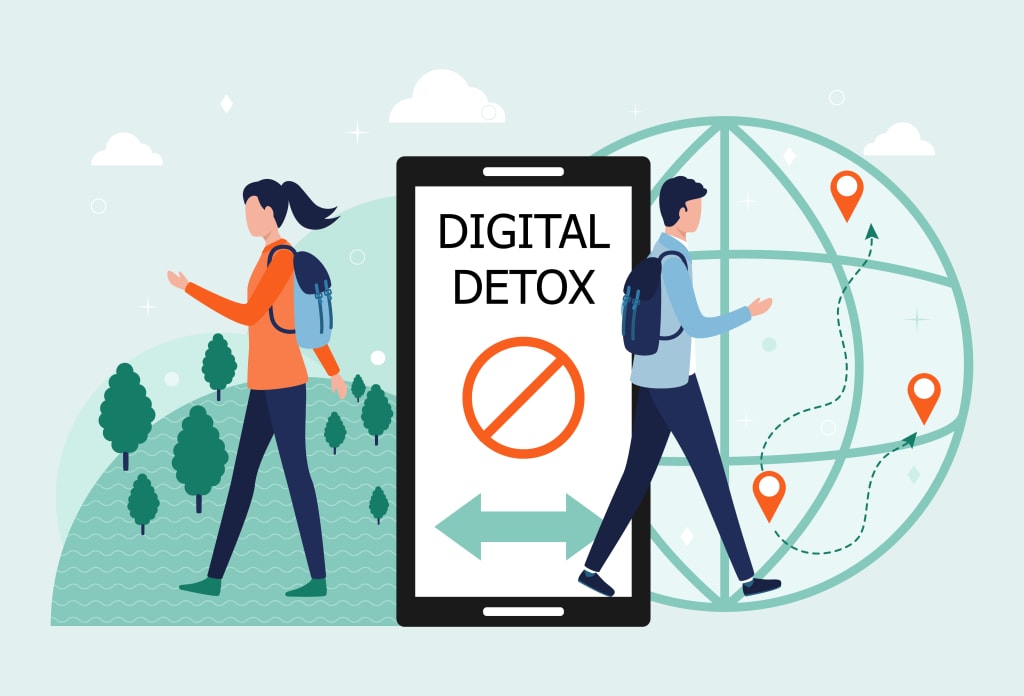
Introduction: In our hyper-connected world, it's becoming increasingly difficult to find a moment of peace away from screens. From smartphones to laptops, our lives are dominated by digital devices. But what happens when we step away from the screens and take a digital detox? This article explores the benefits and challenges of unplugging and provides practical tips for embarking on your own digital detox journey. Understanding Digital Detox A digital detox refers to a period when an individual refrains from using electronic devices such as smartphones, computers, and tablets. The goal is to reduce stress, increase focus, and reconnect with the physical world. As technology has become an integral part of our daily lives, the need to step back and re-evaluate our relationship with it has become more important than ever. Benefits of Digital Detox Improved Mental Health: Continuous connectivity can lead to anxiety and stress. Studies have shown that heavy social media use can contribute to feelings of loneliness and depression. Taking a break helps reduce mental clutter and promotes mindfulness. When you unplug, you give your mind a chance to rest and recharge, leading to a greater sense of well-being. Enhanced Productivity: Without the constant distractions of notifications and social media, you can focus better on tasks at hand, increasing your efficiency and productivity. When you're not constantly interrupted by pings and alerts, you can enter a state of deep work, where you can accomplish more in less time. This can lead to greater satisfaction with your work and more free time to enjoy other activities. Better Sleep: Excessive screen time, especially before bed, can interfere with your sleep cycle. The blue light emitted by screens can suppress the production of melatonin, the hormone responsible for regulating sleep. Reducing screen time can improve sleep quality, helping you to feel more rested and energized during the day. Strengthened Relationships: Spending less time on devices allows you to engage more deeply with the people around you, fostering stronger personal connections. When you're not distracted by your phone, you can have more meaningful conversations and be more present in your interactions with others. This can lead to better relationships with family, friends, and colleagues. Challenges of Digital Detox Initial Discomfort: The first few days can be challenging as you may feel a strong urge to check your devices. It's normal to feel a sense of withdrawal when you first unplug, especially if you're used to being constantly connected. However, this discomfort is usually temporary and will subside as you adjust to your new routine. Social Pressure: In a society where being constantly online is the norm, you might feel left out or disconnected from your social circles. You may worry about missing out on important updates or events. However, it's important to remember that true friends and family will understand and support your decision to take a break from technology. Work Constraints: For many, work responsibilities require constant connectivity, making a complete digital detox difficult to achieve. If your job involves being online, you may need to find ways to incorporate digital detox practices into your work routine. This could include setting specific times for checking emails or taking regular breaks from your computer. Practical Tips for a Successful Digital Detox Set Clear Boundaries: Define specific times of the day when you will avoid using digital devices, such as during meals or before bedtime. Setting clear boundaries helps to create a sense of structure and can make it easier to stick to your detox plan. For example, you could designate the first hour of your day as a screen-free time to start your morning with mindfulness and intention. Inform Others: Let your friends, family, and colleagues know about your digital detox plan so they understand why you might not be as responsive. This can help to alleviate any concerns they may have and ensure that you receive the support you need. You could also encourage others to join you in your detox, creating a sense of community and accountability. Find Alternative Activities: Engage in activities that don’t involve screens, such as reading a book, going for a walk, or practicing a hobby. Finding enjoyable offline activities can make it easier to resist the urge to check your devices. Consider exploring new interests or revisiting old hobbies that you may have neglected due to your digital habits. Gradual Reduction: Start by reducing screen time gradually instead of quitting cold turkey. For instance, begin with a no-phone rule for an hour each day and gradually increase the duration. This can make the transition smoother and more manageable. You could also try using apps or tools that track your screen time and help you set limits. Conclusion: A digital detox can be a powerful way to regain control over your life, reduce stress, and enhance your overall well-being. While it comes with its set of challenges, the benefits far outweigh the initial discomfort. By setting clear boundaries and finding enjoyable offline activities, you can successfully embark on a digital detox and discover a more balanced and fulfilling lifestyle. Why not start your digital detox journey today and experience the positive changes for yourself? In a world that constantly demands our attention, taking the time to unplug can be a radical act of self-care. Whether it's for a few hours, a weekend, or a week, giving yourself a break from screens can lead to a happier, healthier, and more connected life. So go ahead, unplug, and see what a difference it can make.
About the Creator
Enjoyed the story? Support the Creator.
Subscribe for free to receive all their stories in your feed.
Comments
There are no comments for this story
Be the first to respond and start the conversation.