
The Art of Vedic Puja: Rituals, Practices, and Essential Puja Items
Vedic Puja Rituals A Pathway to Emotional, Mental, and Spiritual Harmony

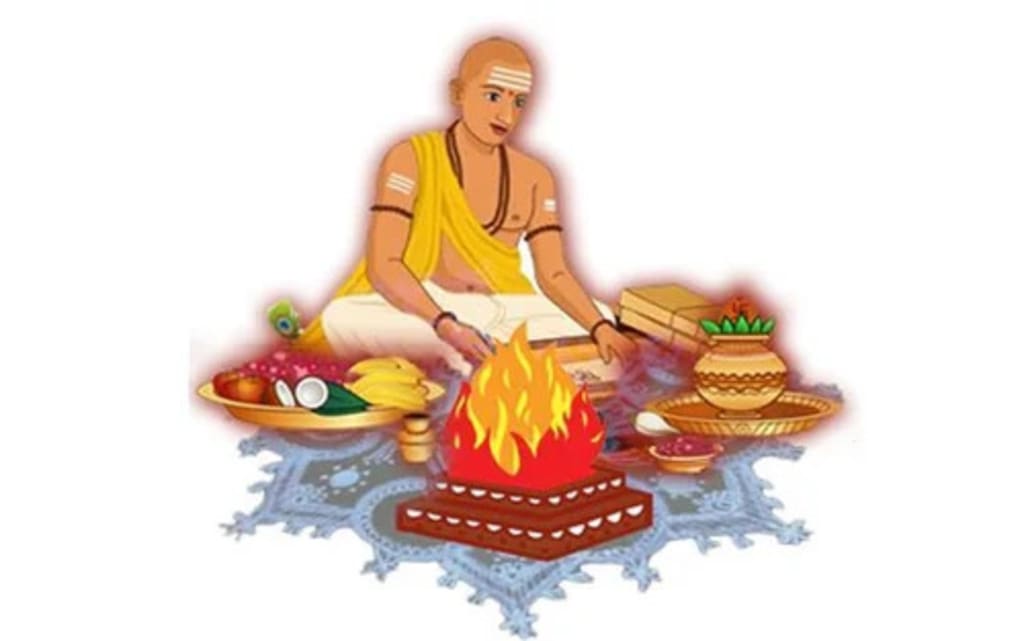
Welcome to the serene path of Vedic Puja, a practice that has been loved for thousands of years as an effective non-secular way of creating balance, concord, and connection to the divine. Whether you're looking to invoke benefits, seek inner peace, or deepen your nonsecular journey, information on the intricacies of Vedic Puja can provide a pathway to holistic wellness that nourishes your mind, body, and soul.
In this blog, we’ll discover the Art of Vedic Pooja, spotlight its essential rituals and items, and explore how those sacred practices contribute to holistic wellness. So, let’s dive into the profound symphony of devotion, purpose, and spirituality!
What is Vedic Puja? A Timeless Tradition of Spirituality and Art
Vedic Puja is a ritualistic worship originating from the historic Vedas, the oldest sacred texts in Hinduism. The term "puja" derives from Sanskrit, which means "reverence" or "worship." This exercise seeks to honor the divine, invoke advantages, and harmonize the body, thoughts, and spirit with cosmic energies.
How Vedic Puja Promotes Holistic Wellness
While regularly seen as a spiritual exercise, Vedic Puja additionally nurtures holistic wellness. Here’s how:
1. Mental Clarity and Focus: Chanting mantras and meditating throughout Puja facilitates the mind, improving concentration and reducing strain.
2. Emotional Well-Being: Expressing gratitude and devotion cultivates internal peace and emotional stability.
3. Spiritual Growth: Connecting with higher powers through Puja elevates the spirit, aligning it with ordinary energy.
4. Community Bonding: Group rituals throughout gala's or unique occasions strengthen familial and community ties, fostering collective pleasure.
Common Rituals and Practices in Vedic Puja
Vedic Puja involves several key rituals that are designed to purify the surroundings and invite wonderful energies. Here are some commonplace practices:
1) Invocation of Deities: The puja begins with the invocation of the primary deity, whether or not it is Lord Ganesh for the elimination of barriers or Goddess Lakshmi for prosperity. This is executed through chanting particular mantras and services.
2) Prayers and Offerings: Devotees gift offerings together with flowers, results, incense, and ghee (clarified butter) to the deity. Each offering symbolizes a selected element—earth, fire, water, air, and ether—inviting balance and concord into space.
3) Light and Sound: The use of diyas (oil lamps) and bells is an essential part of the puja. Light indicates divine presence and eliminates darkness, while the sound of bells resonates with the vibrational vitality of the universe.
4) Recitation of Sacred Mantras: Vedic mantras are chanted at some point in the puja to invoke divine benefits and establish a sacred connection with the religious realm. The repetition of mantras is thought to purify the thoughts and soul, aligning them with the cosmic go with the flow of energy.
5) Arati and Prasad: At the top of the puja, devotees carry out an arati (ritual of waving a flame earlier than the deity) followed by the distribution of prasad (blessed meals or services) to percentage divine benefits with others.
Essential Pooja Items and Their Purpose
A successful Vedic Puja requires unique items, every serving a symbolic reason. Below is a listing of Vedic pooja essentials objects together with their reason:
1) Kalash (Water Pot): Represents lifestyles and abundance, packed with holy water as an image of purity.
2) Dhoop/Incense: Used to purify the environment and invoke the deity's presence.
3) Flowers: Symbolize splendor, devotion, and the freshness of life.
4) Kumkum (Red Powder): Represents the internal power, used in marking a sacred dot at the forehead.
5) Deepam (Lamp): Represents the mild of expertise and is obtainable to dispel darkness in one’s life.
6) Sandalwood Paste: Known for its fragrance and cooling of homes, it indicates purity and quietness.
These Vedic pooja essentials, used in the appropriate series, create an environment that promotes holistic wellness, peace, and spiritual harmony.
Different Types of Vedic Pujas and Their Intentions
There are diverse types of Vedic Pujas, each designed for specific functions. For instance:
1) Ganesh Puja: Invokes advantages from Lord Ganesha for awareness and obstacle removal.
2) Lakshmi Puja: Seeks prosperity, wealth, and abundance.
3) Navagraha Puja: Honors the 9 planetary deities to mitigate astrological impacts.
4) Kaal Sarp Dosh Pooja: This Pooja enables fewer delays and limitations because of planetary alignments, improving life paths and development.
5) Pitru Dosha Puja: This Puja is accomplished to honor ancestors and put off ancestral curses or doshas (flaws) that might be affecting the family.
At The Happy Soul, a depended-on issuer of spiritual services, you could locate specialized poojas like Pitru Dosha Pooja, Kaal Sarp Dosh Pooja, and Navgrah Shanti Pooja. With knowledge and steerage by The Happy Singh, The Happy Soul offers a real revel that aligns with conventional practices and current desires.
How it Can Enhance One’s Connection with the Divine
Vedic Puja creates a sacred area for deeper divine connection through mindfulness and aim. Chanting mantras and attractive in rhythmic rituals calms the mind and enhances cognizance, permitting alignment with common consciousness. This exercise cultivates inner peace and a deeper feeling of cause. Vedic Puja additionally reminds us of the interconnectedness of all beings, promoting gratitude and reverence. It promotes holistic health through nurturing bodily, intellectual, and religious well-being. Whether practiced individually or in a collection, it gives a transformative revel that enriches the soul and deepens one's divine connection.
Read Also: What Is a Vedic Horoscope? Your Ultimate Guide to Understanding Its Power
The Bottom Line
Incorporating Vedic Puja into each day's life is an invitation to attach greater deeply to one’s spirituality and well-being. By the usage of important pooja items and participating in those age-old rituals, practitioners can cultivate a harmonious connection with the divine, promote holistic wellness, and find a renewed experience of motive. Whether practiced at domestic or in a temple, Vedic Pooja remains a profound way to acquire internal peace, spiritual readability, and a lifestyle enriched with divine steerage.
A Comprehensive FAQ Guide
(1) How does Vedic Puja promote holistic well-being?
Ans: Vedic Puja allows for balancing the body, thoughts, and spirit. The exercise of meditation, centering prayer, and calming ritual surroundings promote emotional well-being, pressure relief, and spiritual recovery, which can be essential additives to holistic well-being.
(2) Where can I perform Vedic Puja or are trying to find help for my spiritual desires?
Ans: You can carry out Vedic Pooja domestic or visit non-secular facilities specializing in those rituals. At The Happy Soul, we offer personalized Vedic Puja offerings, which include Pitru Dosha Puja, Kaal Sarp Dosh Puja, and Navgrah Shanti Puja, to guide Happy Singh you in your non-secular adventure and promote holistic well-being.
(3) What are the benefits of Vedic Puja?
Ans: Vedic Puja gives several benefits, inclusive of Emotional and intellectual peace, Removal of barriers and negative energies, Attraction prosperity and abundance, and more.
About the Creator
The happy soul
The happy soul involves various modalities, including physical therapies, meditation, Counseling, and energy healing practices such as pranic healing and divine energy healing. You can get relief from diseases through our healing therapy.
Enjoyed the story? Support the Creator.
Subscribe for free to receive all their stories in your feed.
Comments
There are no comments for this story
Be the first to respond and start the conversation.