
The Anatomy of Back Pain:
Key Structures and How They Work
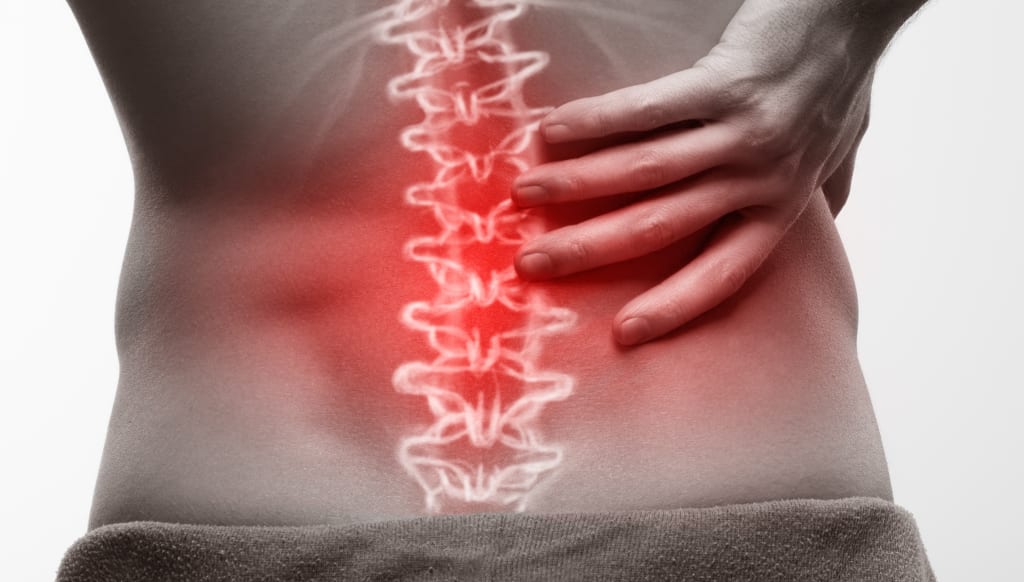
Back pain is one of the most common physical ailments, affecting millions of people worldwide. Understanding the anatomy of the spine and its role in common back pain issues can help you recognize when it’s time to seek professional care. Let’s break down the spine’s structure, its function, and how it contributes to back pain.
The Basics of Spinal Anatomy
The spine, or vertebral column, is a marvel of engineering in the human body. It supports movement, protects the spinal cord, and bears much of the body’s weight. It consists of three main regions:
1. Cervical Spine (Neck)
- Located at the top, the cervical spine includes seven vertebrae (C1-C7).
- It supports the head and allows neck movement.
- Poor posture, such as "text neck," can strain this area, leading to pain.
2. Thoracic Spine (Upper Back)
- This middle section consists of 12 vertebrae (T1-T12).
- It provides stability and is attached to the rib cage.
- While less prone to injury, poor posture or trauma can cause discomfort here.
3. Lumbar Spine (Lower Back)
- The lumbar spine has five vertebrae (L1-L5).
- It supports much of the body’s weight and allows bending and twisting.
- It’s a common site for pain due to its load-bearing function.
4. Sacrum and Coccyx
- The sacrum is a triangular bone connecting the spine to the pelvis.
- The coccyx, or tailbone, is at the very bottom.
- These structures provide stability but can cause pain if injured.
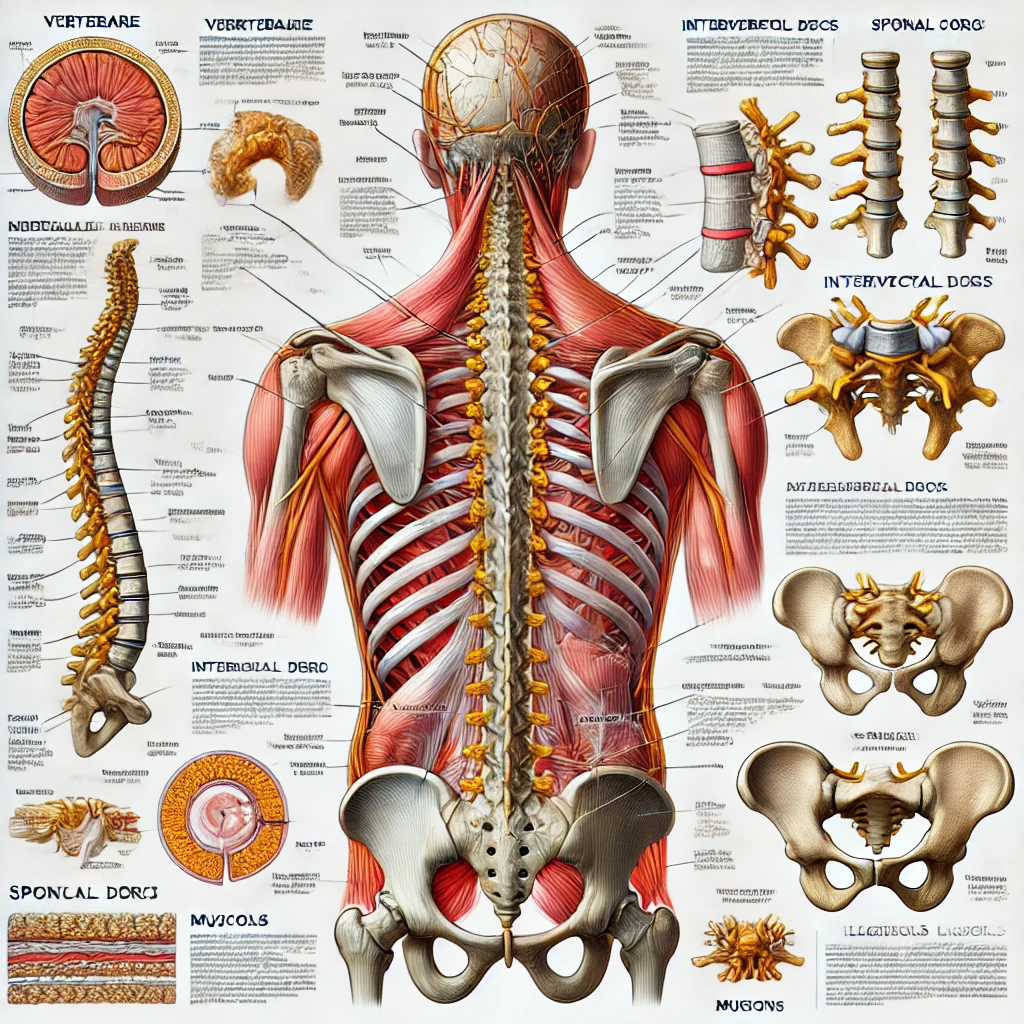
Key Components and Their Role in Back Pain
The spine is more than just bones. Its various components work together, and dysfunction in any part can contribute to back pain.
Intervertebral Discs :
- These are cushions between vertebrae, acting as shock absorbers.
- Issues like herniated discs or degeneration can compress nerves, causing pain.
Facet Joints :
- Small joints at the back of the spine allow flexibility and movement.
- Arthritis or overuse can irritate these joints, leading to stiffness and pain.
Muscles and Ligaments :
- These structures support the spine and enable movement.
- Muscle strains from overexertion or improper lifting are common causes of pain.
Nerves :
- The spinal cord and branching nerves transmit signals between the brain and body.
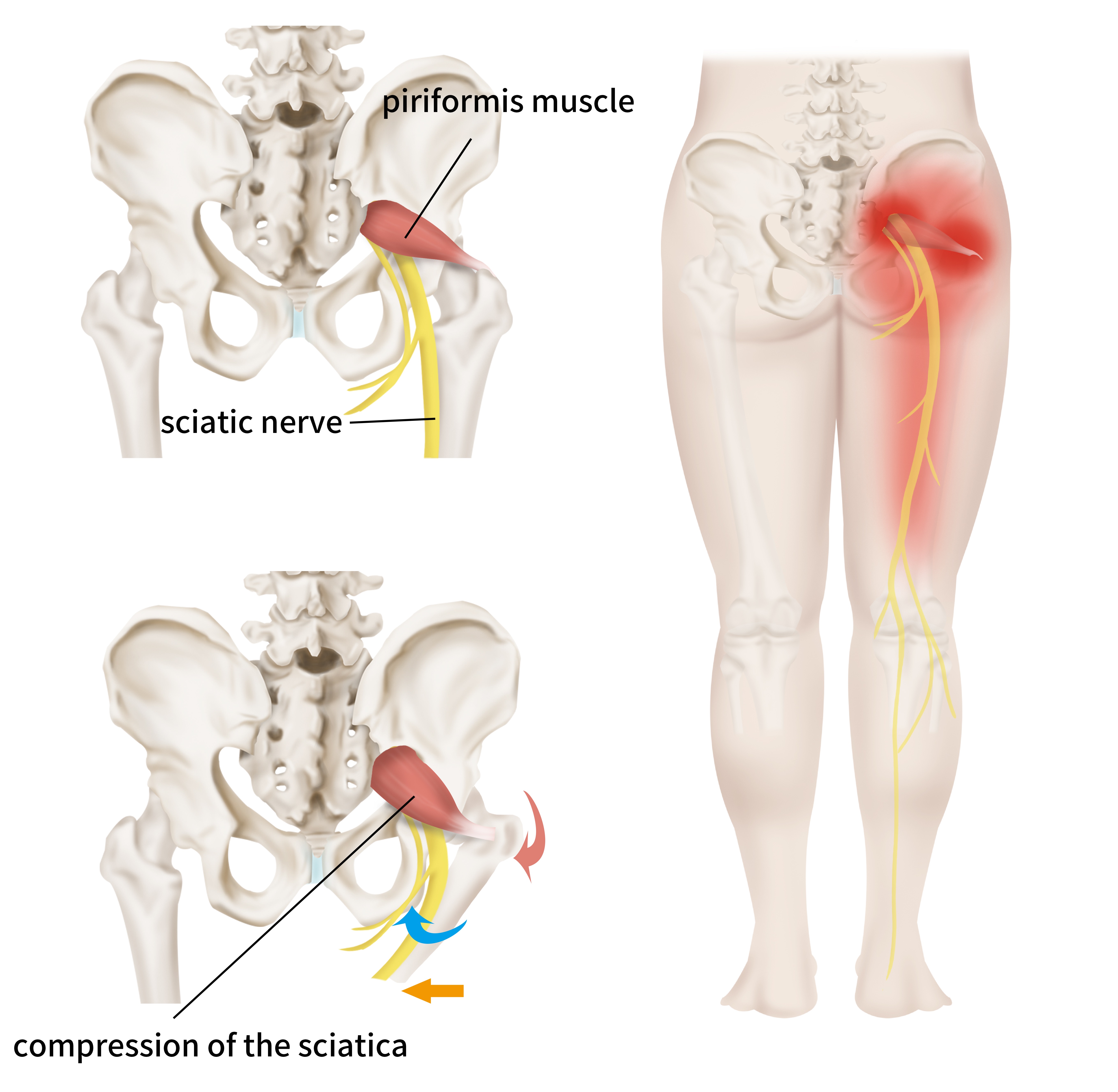
- Compression, such as in sciatica, can cause sharp, radiating pain down the leg.
Common Causes of Back Pain
1. Muscle Strains and Sprains
- Often due to heavy lifting or sudden movements.
- Symptoms include localized pain and stiffness.
2. Degenerative Disc Disease
- Age-related wear and tear on discs can cause chronic pain.
3. Herniated Discs
- When the inner gel-like core of a disc leaks out, it can press on nerves.
4. Scoliosis or Spinal Deformities
- Abnormal spine curvature can lead to discomfort and reduced mobility.
5. Osteoarthritis
- This "wear-and-tear" arthritis affects the facet joints, leading to stiffness and pain.
6. Spinal Stenosis
- Narrowing of the spinal canal can compress nerves, causing pain and weakness.
When to Seek Professional Help
While minor back pain often resolves on its own with rest and home care, certain symptoms signal the need for medical attention:
- Pain that lasts more than a few weeks.
- Numbness, tingling, or weakness in the legs.
- Severe pain after an accident or fall.
- Difficulty controlling bowel or bladder function.
- Unexplained weight loss alongside back pain.
If any of these apply, consult a healthcare provider to rule out serious conditions and receive appropriate treatment.
Caring for Your Spine
Preventing back pain begins with maintaining good spinal health:
1. Practice Good Posture
- Keep your back straight and shoulders relaxed, especially while sitting.
2. Stay Active
- Regular exercise strengthens back muscles and promotes flexibility.
3. Lift Correctly
- Bend your knees and keep the load close to your body.
4. Maintain a Healthy Weight
- Excess weight strains the spine.
5. Use Supportive Furniture
- Invest in ergonomic chairs and mattresses to support your spine.
Understanding the anatomy of your spine and its functions provides valuable insight into back pain. Recognizing symptoms early and adopting healthy habits can go a long way in preventing chronic issues. And remember, when pain persists or worsens, seeking professional guidance is essential for proper diagnosis and care.
Taking care of your spine today ensures a healthier, pain-free tomorrow !
Please note that this article may contain affiliate links. If you click on these links and make a purchase, we may earn a small commission at no additional cost to you. These commissions help support our work and allow us to continue delivering valuable content. Thank you for your support
About the Creator
Enjoyed the story? Support the Creator.
Subscribe for free to receive all their stories in your feed.
Comments
There are no comments for this story
Be the first to respond and start the conversation.