
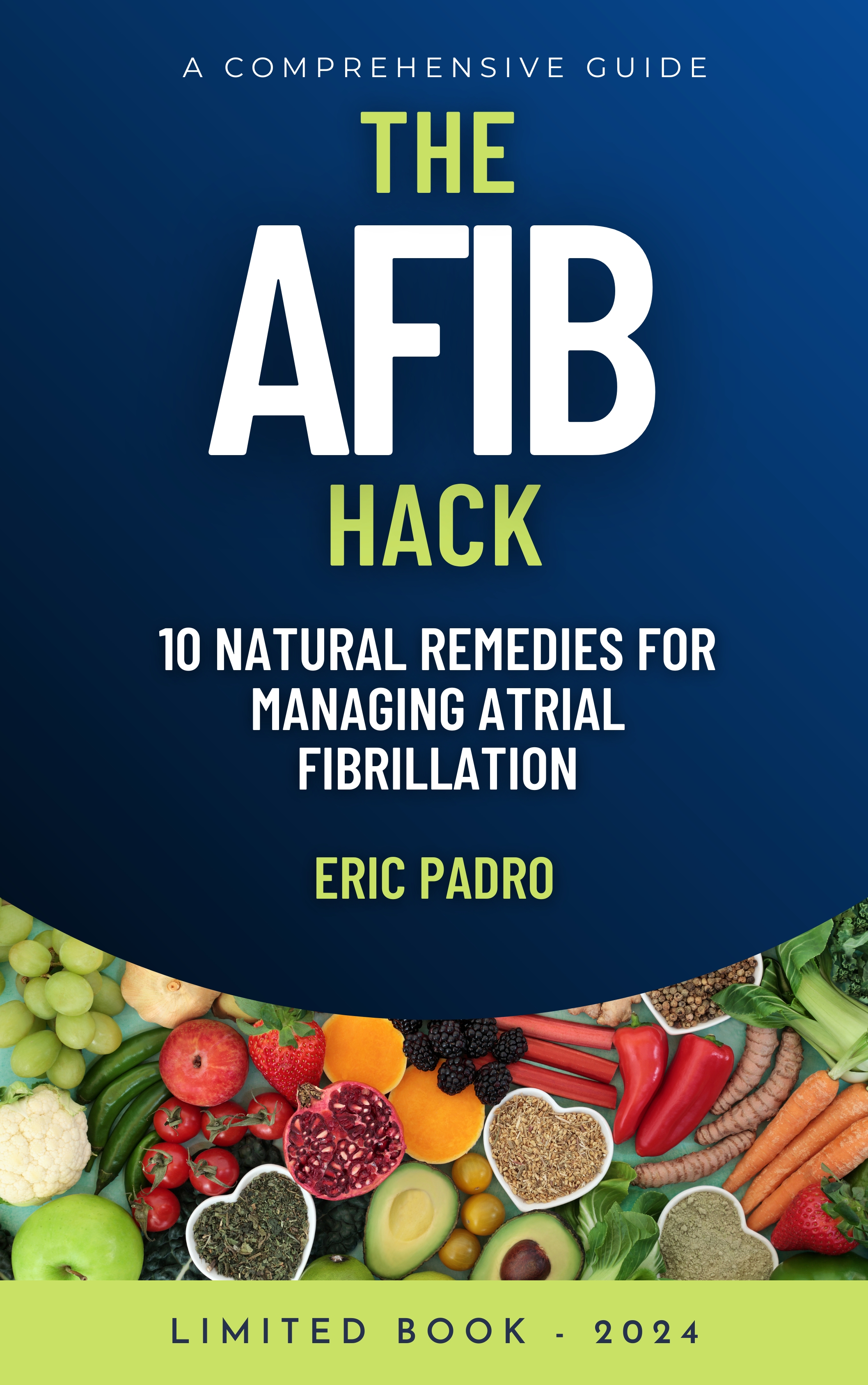
THE AFIB HACK
7 Common Triggers for AFib You Didn’t Know About – And How to Avoid Them

Atrial fibrillation (AFib) is a condition that affects millions of people worldwide, yet many of its triggers often go unnoticed or misunderstood. If you’re living with AFib or caring for someone who is, it’s essential to understand what can set off episodes and how to prevent them. In this article, we’ll explore seven common AFib triggers that may surprise you and provide practical strategies for managing them. By the end, you’ll be equipped with the knowledge you need to protect your heart and live more comfortably with AFib.
>>Click free to get a free AFIB e-book guide<<
1. Caffeine Overload: Why Your Morning Coffee Could Be to Blame
Explain the Problem:
Many of us rely on caffeine to jumpstart our day or push through an afternoon slump. Whether it’s a cup of coffee, an energy drink, or a soda, caffeine is the go-to pick-me-up. But while it may give you that much-needed energy boost, too much caffeine can overstimulate your heart. For those with AFib, this can lead to uncomfortable and potentially dangerous episodes of irregular heartbeats.
How It Affects AFib:
Caffeine is a stimulant, meaning it increases your heart rate and can make your heart work harder than it should. For people with AFib, this can be problematic, as the heart is already prone to irregular rhythms. Caffeine can disrupt the electrical signals in your heart, leading to an episode of AFib. While not everyone with AFib will react to caffeine, it’s a common enough trigger that it’s worth paying attention to how your body responds after that second (or third) cup of coffee.
Solution:
If you suspect caffeine is triggering your AFib, consider cutting back or switching to decaf. Even if you don’t want to give up your coffee entirely, reducing your daily intake could help. Limit yourself to one cup a day and avoid other sources of caffeine, like energy drinks or soda. If you’re looking for alternatives, try herbal teas, which are naturally caffeine-free, or flavored water infusions to keep you hydrated and energized without the risk of overstimulating your heart.
2. Alcohol: The Unexpected Heart Disruptor
Explain the Problem:
Alcohol is often enjoyed in social settings, from weekend gatherings to winding down at the end of a long day. However, even moderate alcohol consumption can throw your heart rhythm off balance. If you have AFib, alcohol could be more dangerous than you think, increasing your risk of episodes and making it harder to manage your condition.
How It Affects AFib:
Alcohol has a number of diverse effects on your heart: it relaxes the blood vessels, which decreases blood pressure and increases the workload on the heart. Binge drinking, in particular, has been associated with AFib because studies show that excessive consumption of alcohol results in irregular beats. For individuals who do not consume excessively, even regular intake of alcohol has shown to increase episodes of AFib.
Solution:
If alcohol is a known trigger for your AFib, consider reducing or eliminating it from your diet. You don’t have to cut it out completely if you enjoy the occasional drink, but moderation is key. Opt for alcohol-free beverages when you can, and if you choose to drink, limit yourself to one or two drinks. Keep an eye on how your heart reacts after drinking, and speak with your doctor about your alcohol consumption to ensure it’s not putting your heart at risk.
3. Stress: Your Heart's Worst Enemy
Explain the Problem:
Stress is an inevitable part of life, but chronic stress can wreak havoc on your body, especially your heart. Whether it’s from work, family responsibilities, or personal struggles, stress can be a major trigger for AFib flare-ups. While we can’t eliminate stress entirely, understanding how it affects your heart and finding ways to manage it can reduce the frequency of AFib episodes.
How It Affects AFib:
When you’re stressed, your body releases a hormone called cortisol, which increases your heart rate and blood pressure. For those with AFib, this added strain on the heart can trigger an episode. Over time, chronic stress can lead to more frequent or severe AFib episodes. The physical and emotional toll of stress makes it crucial to address if you’re living with this condition.
Solution:
Easier said than done, but it's an absolute necessity in the management of AFib. Stress-relief techniques are required to be integrated into daily life. Deep breathing, meditation, or yoga may help relax the nervous system and lower the heart rate. Regular physical activity, such as walking or swimming, could also be an effective stress-management technique that might provide overall heart health benefits. Lastly, do not be afraid to seek help either from a mental health professional or from a support group for people with living AFib.
4. Sleep Deprivation: A Silent Trigger You May Not Notice
Explain the Problem:
We all know how important sleep is for overall health, but did you know that not getting enough sleep can trigger AFib episodes? Sleep deprivation doesn’t just make you tired; it can mess with your heart. If you have AFib, poor sleep could be one of the silent triggers worsening your condition without you even realizing it.
How It Affects AFib:
Sleep is when your body rests, repairs, and recharges, including your heart. When you don’t get enough sleep, your body struggles to regulate hormones like cortisol, which can raise your heart rate and blood pressure. Additionally, conditions like sleep apnea, where breathing repeatedly stops and starts during sleep, are closely linked to AFib. People with sleep apnea are more likely to experience AFib episodes due to the strain placed on the heart during periods of low oxygen.
Solution:
To improve your sleep and reduce AFib triggers, focus on developing healthy sleep habits. Go to bed and wake up at the same time every day, even on weekends, to regulate your sleep cycle. Create a calming bedtime routine that helps you relax before sleep, such as reading or listening to soothing music. If you suspect you have sleep apnea, talk to your doctor about getting tested. Treatment for sleep apnea can dramatically reduce the risk of AFib episodes.
>>Click free to get a free AFIB e-book guide<<
5. Dehydration: Why Staying Hydrated Is Key to Heart Health
Explain the Problem:
Many people don’t realize that dehydration can trigger AFib episodes. When your body doesn’t have enough water, it can affect your heart’s ability to function properly. Staying hydrated is one of the simplest but most important ways to prevent AFib episodes, especially during physical activity or hot weather.
How It Affects AFib:
Dehydration can disrupt the balance of electrolytes in your body, such as potassium, sodium, and magnesium, which are essential for normal heart function. When these electrolytes are out of balance, it can lead to irregular heart rhythms, increasing the likelihood of an AFib episode. Dehydration also thickens the blood, making it harder for the heart to pump effectively, putting additional strain on your cardiovascular system.
Solution:
Do not get dehydrated. Drink water throughout the day, especially while you are exercising or if it is hot outside. A good rule of thumb is to drink at least eight 8-ounce glasses of fluid every day. However, your needs may be higher or lower, depending on your activity level and where you live. You can help hydrate by having an electrolyte-containing drink if you are just sweating a lot. Carry a bottle of water everywhere you go so you remember to drink much more water.
6. Over-the-Counter Medications: Hidden AFib Triggers
Explain the Problem:
When you’re feeling under the weather, it’s tempting to reach for over-the-counter cold or allergy medications. However, some of these medications contain stimulants that can trigger AFib episodes. Even seemingly harmless over-the-counter medications can pose a risk for those with AFib, making it crucial to check labels and understand what you’re putting in your body.
How It Affects AFib:
Some cold and allergy medications, such as pseudoephedrine and phenylephrine, can increase your heart rate and irregular heartbeats. These are stimulants that relieve congestion by constricting the body's blood vessels and work on your heart's electrical system, including the abnormal heart rhythms that someone with AFib may have. Even medications touted as "natural" or "herbal" can contain a component that will impede heart function.
Solution:
Before taking any over-the-counter medication, read the label carefully and avoid products containing stimulants like pseudoephedrine. If you’re unsure whether a medication is safe for your AFib, consult your doctor or pharmacist. There are plenty of alternatives for treating cold and allergy symptoms that don’t pose a risk to your heart. Look for products specifically labeled “AFib-safe” or ask your healthcare provider for recommendations.
7. High-Sodium Diet: How Salt Could Be Sabotaging Your Heart
Explain the Problem:
A high-sodium diet doesn’t just affect your waistline—it can also be a significant trigger for AFib episodes. While we all need some salt in our diet, consuming too much can lead to increased blood pressure and strain on your heart, making it harder to manage AFib. The hidden salt in processed foods and restaurant meals can make it difficult to control your sodium intake.
How It Affects AFib:
When you have too much salt, your body retains water in its way of balancing the sodium level in the body. Additional fluid increases the volume of blood that the heart must pump, thereby boosting blood pressure and further stressing the cardiovascular system. This additional stress can trigger an AFib episode. Besides, high sodium can impact the critical balance of electrolytes your body sustains and hence further increase the chances of irregular heartbeat rhythms.
Solution:
To reduce your sodium intake and protect your heart, start by cutting back on processed and packaged foods, which are often loaded with hidden salt. Instead, focus on whole foods like fruits, vegetables, lean proteins, and whole grains. When cooking at home, use herbs and spices to add flavor instead of salt. Check labels for sodium content, and aim to stay below the recommended daily limit of 2,300 mg of sodium (or even lower if advised by your doctor).
>>Click free to get a free AFIB e-book guide<<
Conclusion: Taking Control of Your AFib Triggers
Living with AFib can feel overwhelming, but by understanding the common triggers and making small lifestyle changes, you can significantly reduce your risk of episodes. Whether it’s cutting back on caffeine and alcohol, managing stress, improving your sleep, staying hydrated, or watching your diet, every step you take makes a difference.
Remember, it’s essential to monitor your triggers and consult with your healthcare provider to develop a personalized plan that works for you. With the right approach, you can take control of your heart health and live a more comfortable, fulfilling life with AFib.
>>Click free to get a free AFIB e-book guide<<
About the Creator
Enjoyed the story? Support the Creator.
Subscribe for free to receive all their stories in your feed.
Comments
There are no comments for this story
Be the first to respond and start the conversation.