
The 80/20 Rule of Healthy Eating
How To Maintain A Healthy Diet and Still Enjoy Your Favorite Dishes
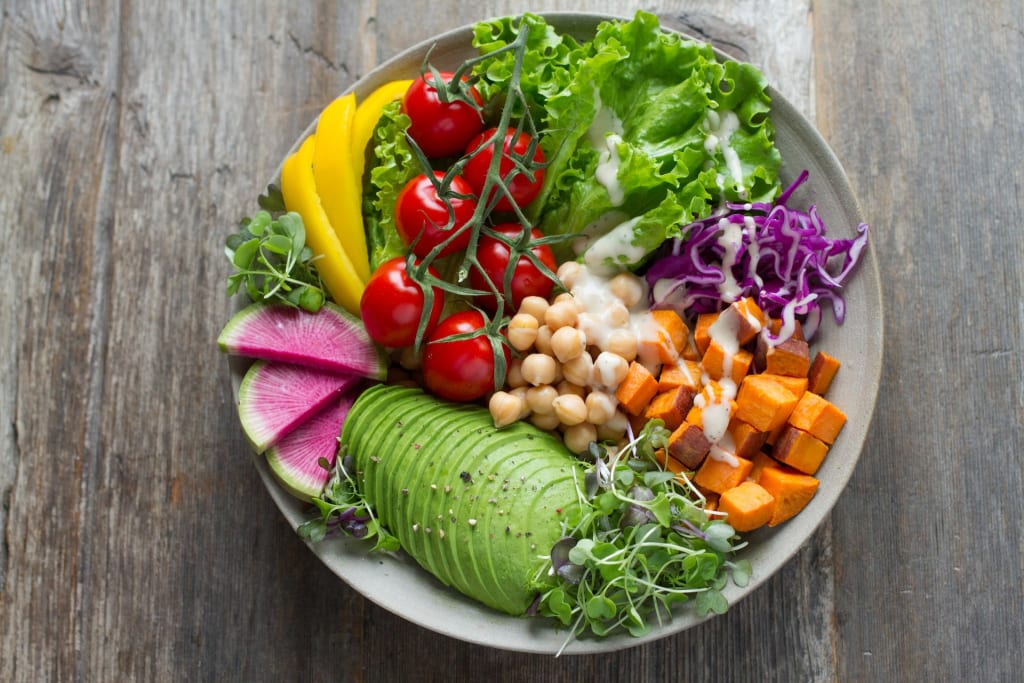
Whether you’re trying to lose weight or you just want follow a healthy eating habit, following a strict, fad diet all of the time is quite difficult and you tend to feel guilty when you treat yourself to any other food outside the diet.
This difficulty is due to reasons such as lack of self-awareness, setting unrealistic goals, being hard on yourself and following hard to stick to kinds of diet.
However, embarking on restrictive dieting has some side effects such as
• Your body not getting enough of some important nutrients it needs
• Reaction To Certain Food Cues
• Increased cravings for your favorite foods.
This explains why 80 to 95% of dieters usually gain back the weight they worked hard to lose and sometimes, they even get more weight than they have lost.
This is where the 80/20 rule diet comes into play by helping dieters achieve some level of moderation by allowing them enjoy their favorite foods while eating healthy foods at the same time.
What is the 80/20 rule diet?
The 80/20 rule diet is a new style of eating coined by the Australian nutritionist and wellness expert, Teresa Cutter. It is a healthy, flexible eating option that lets you follow your normal diet plan 80% of the time and allows you to relax for the remaining 20%.
This follows the economic rule called the Pareto Principle, which states that 80% of results or outputs come from 20% actions or inputs.
The 80/20 rule diet is not actually a diet plan on its own. It is more of a philosophy that can be interpreted based on each individual’s understanding.
Kristin Kirkpatrick, a licensed, registered dietitian told Healthline how she has seen the 80/20 rule work effectively for her patients.
She said, “I’ve seen with my own patients that willpower [alone] does not work, it just makes people want the foods they are giving up even more,” she says. “Therefore, allowing yourself a few indulgences here and there may not be such a bad thing. With my patients I tend to be a bit more conservative and suggest a 90/10 split though”.
How can you practice the 80/20 rule diet?
The 80/20 rule is a guide for everyday eating. Whether you are trying to lose weight or just boost your energy, the 80/20 diet rule can always come to play.
You eat healthy foods 80% of the time and for the remaining 20%, you can eat foods that aren’t considered so healthy.
If you love the idea of just treating yourself to some fried chicken or sweets while maintaining a healthy nutritious diet, the 80/20 rule might be a good option for you.
However, to succeed with this 80/20 rule, you should try and stay within the rule for as long as possible.
Some people try to apply the rule by feeding on 80% healthy foods throughout the weekdays and relaxing the 20% on weekends. This can lead to overeating if care is not taken as you have denied yourself of your favorite treats during the week leading to increased cravings for such foods.
Foods that are in the 80%
Precisely, there are no particular obligatory foods to eat in the 80/20 rule diet. You only need to keep to the rule of eating only healthy nutritious foods 80% of the time.
You need to ensure that your 80% contains a wide variety of nutrient – packed foods majorly from fresh and unprocessed whole foods.
Here are some of the foods generally recognized as healthy:
Whole grains
Whole grains are grains that have all their three components unharmed and these components include
• The bran
• The germ
• The endosperm
Whole grains are high in iron, phosphorus, manganese, magnesium, selenium, B Vitamins, and dietary fiber and they offer carbohydrates, vitamins, minerals, and some proteins.
Some examples of whole grains include
• Oats
• Whole wheat
• Rye
• Millet
• Brown rice
• Quinoa
• Corn
• Whole-grain breads
• Whole-grain and whole-wheat pastas
Fruits and Vegetables
Fruits and vegetables are rich in many important vitamins and minerals that keep your body healthy and they can also protect you from diseases such as
• Stroke
• High blood pressure
• Type 2 diabetes
• Heart diseases
• Some forms of cancers such as throat, stomach, and bowel cancers.
Fruits and vegetables are also low in calories and they are a rich source of dietary fiber. Some examples include
• Citrus
• Apple
• Pears
• Apricots
• Peaches
• Watermelons
• Avocadoes
• Leafy greens
• Sweet potato
• Cabbage
• Cauliflower
• Onions
• Garlic
Lean proteins
Lean proteins are the types of proteins that are less in saturated fat and calories. These include
• Lean beef
• Powdered peanut butter
• Low fat dairy
• Frozen shrimp
• Egg whites
• Bison
• Tofu
• Skinless white meat poultry
• Plain Greek yoghurt
• White flesh fish
• legumes
Unsaturated Fats
Unsaturated fats are beneficial dietary fats. They help improve cholesterol levels in the blood, stabilize the heart, relieve inflammations, and other beneficial roles. They can be found in
• Walnuts
• Fish
• Flax seeds
• Sunflower oils
• Peanuts
• Olive
• Avocados
• Pumpkins
• Sesame seeds
Foods that are in the 20%
Just like how there are no restricted types of foods in the 80%, there is no obligated type of food to eat in the 20% as well; only that you can consume any type of food you believe to be “unhealthy” and this is open to individual interpretations.
Some of the foods generally deemed unhealthy include
• Foods high in saturated fat such as bacon, fried chicken, cheese, etc.
• White sugar
• Refined carbohydrates such as white bread, white rice, pasta, sweets, etc.
• Highly processed foods such as syrups, jams, chocolates, and candies, etc.
How to apply the 80/20 rule (e.g. weekends, meal plans, choices)
On a practical level, planning an 80/20 meal plan depends on how you are applying it and this can either be on a daily or weekly basis.
Daily basis
When you apply the 80/20 meal plan to your everyday diet, you eat nutritious meals 80% of the day and serve yourself to your favorite treat for the remaining 20%. The type of food you eat in the 80% part depends wholly on the type of diet you are following at that time while the 20% depends on anything you want.
Weekly basis
If you apply the 80/20 rule on a weekly basis, this means you’ll calculate your total calorie intake for that week and make sure 80% of your calories come from 80% of your week (which can be weekdays for example) and the remaining 20% can be on the weekend when you can relax your calories.
However, note that excessive eating on your 20% days won’t help you achieve your health goals. Therefore, you need to try to be as moderate as possible.
Pros of the 80/20 rule diet
Apart from the freedom that comes with the 80/20 meal plan, it also offers the following benefits:
• It is simple and easy to follow.
• No need for food trackers or calorie counters.
• You can enjoy anything you like while maintaining your healthy diet plan.
• It goes well with any type of diet.
• It promotes healthy eating habit since you are eating healthy food 80% of the time.
Cons of the 80/20 rule diet
Even though the 80/20 rule comes with amazing benefits, it still has its own downsides such as
• It might not work for everyone.
• It can be quite difficult for people to stay consistent with the rule.
• It might not have enough structure and this can lead to overeating healthy and unhealthy foods.
• It requires time commitment and you need to be organized to prepare the meals.
• It requires time and money because fresh foods are usually more expensive than processed ones.
Conclusions
Following a strict diet plan 100% of the time to achieve your weightloss goal or other dieting goals can be a daunting task. However, when you apply the 80/20 rule in your diet, you’ll be able to enjoy your favorite dishes while at the same time sticking to your diet plan. This will help you push away cravings and learn how to make smarter, healthier diet choices. You won’t have to face some of the ugly effects of restricting yourself to a particular diet plan such as denying your body of important nutrients it needs for optimum performance or reacting to certain food cues.
About the Creator
Enjoyed the story? Support the Creator.
Subscribe for free to receive all their stories in your feed.
Comments
There are no comments for this story
Be the first to respond and start the conversation.