
The 5 Tiny Habits That Quietly Saved My Sanity
Simple changes I almost ignored — until they transformed my mental health

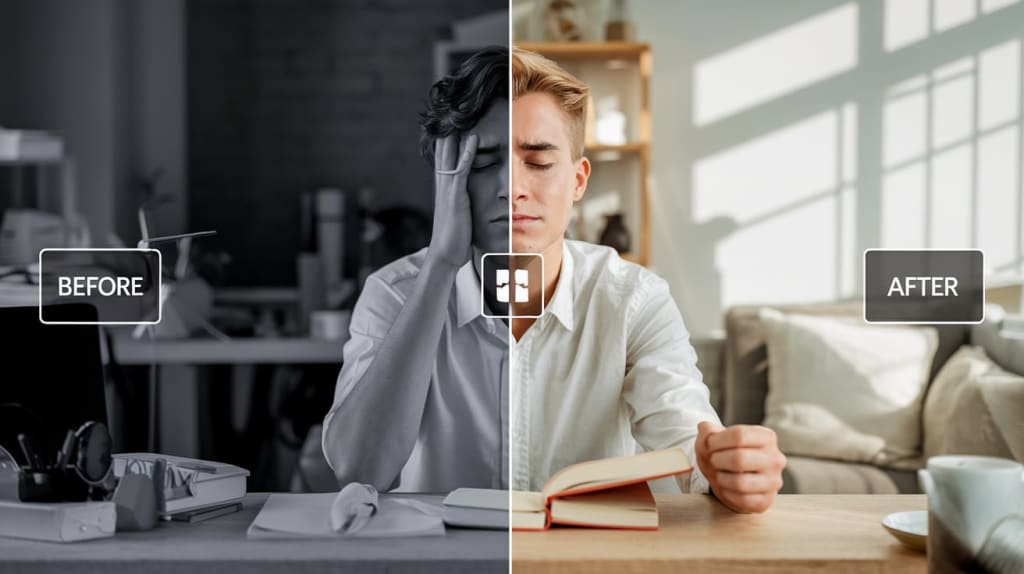
What if the secret to a better life wasn’t about doing more, but doing less? Here’s how five simple habits can transform your life and bring you the peace you’ve been seeking. There was a time when I felt completely overwhelmed, like I was always running on empty, trying to keep up with the demands of daily life. My mind was a constant whirlwind — racing with thoughts, worries, and to-do lists. I kept thinking that in order to feel better, I needed something drastic: a major life change, a wellness retreat, maybe even a new job. I was searching for this big solution to fix everything, but nothing seemed to work. It wasn’t until I stopped chasing the big changes and started focusing on the small, everyday habits that I finally started to feel different. At first, I doubted their impact. Could something as simple as five minutes of quiet or stepping outside for a few minutes really make a difference? But slowly, as I incorporated these tiny habits into my routine, I began to notice a shift. I wasn’t cured overnight, but the fog started to lift, and my mind became calmer. It turns out, mental peace wasn’t about big gestures or grand solutions. It was about small, consistent actions that slowly added up. I’m here to share the five tiny habits that quietly changed everything for me — habits that saved my sanity when I thought nothing would.
The Day I Realized I Wasn’t “Fine” There’s always a moment, isn’t there? That one where you realize, "I’m not doing okay." For me, it came when I was sitting at my desk, staring at a pile of work, and feeling utterly drained — not just physically, but mentally. I had been pushing through, thinking that if I just kept going, I’d eventually catch up with myself. But instead of feeling energized or accomplished, I just felt numb. It wasn’t burnout yet, but I could see it looming in the distance. I was snapping at people for no reason, avoiding the things I used to enjoy, and constantly feeling like I was just going through the motions. I told myself I was fine. I told myself everyone felt this way, that it was normal to be tired all the time. But deep down, I knew I wasn’t. That’s when I realized something needed to change — but it didn’t have to be a drastic, life-altering decision. It didn’t need to be another overwhelming goal or a new year’s resolution that I’d inevitably give up on. No, what I needed were small, simple actions to get me back on track. And that’s when I started looking at my daily habits with a different lens. Great! Let’s move into the first habit and start building the practical solutions:
- Habit #1: The 5-Minute Morning Rule
It sounds so simple, right? But when you’re in the middle of feeling like everything is out of control, it’s hard to see how something so small could make any difference. I was skeptical at first, too. How could taking just five minutes in the morning — before my day started to snowball — actually change anything? But that’s exactly what I did. I set a timer for five minutes each morning, before checking my phone, before diving into emails, before any of the day’s distractions could grab my attention. In those five minutes, I would either sit quietly, take a few deep breaths, or stretch my body gently. At first, it felt strange. Like I was wasting time when there was so much to do. But little by little, I started to notice a shift. That small window of calm in the morning became my anchor. It was a moment where I could center myself, take a breath, and let go of any leftover anxiety from the night before. It was almost like giving myself permission to be present — before I had to take care of anyone else or tackle a single task. I didn’t have to solve anything, fix anything, or achieve anything. I just had to exist in that peaceful moment. And you know what? It made a huge difference. I was more focused, less scattered, and more present for the rest of the day. Starting with those five minutes of calm set the tone for everything else.
- Habit #2: The Digital Detox Hour
If you’re like me, you’ve probably found yourself mindlessly scrolling through your phone late at night or as soon as you wake up. Social media, news, endless notifications — it’s like a constant stream of noise that pulls your attention in all directions. For a long time, I didn’t think it was a big deal. I told myself, “I’ll just check my messages for a minute,” or “I’ll scroll through Instagram while I have my morning coffee.” But those moments of digital scrolling were eating away at my mental clarity. It wasn’t until I started to feel more and more drained that I realized how much this constant screen time was affecting my mental health. I wasn’t truly *present* anymore. I’d check my phone first thing in the morning, and before I knew it, I’d wasted an hour comparing myself to others, getting upset by news stories, or feeling overwhelmed by work emails before I even started my day. It was a vicious cycle, and it was impacting my mood, my focus, and my peace of mind. So, I decided to set one simple rule: no screens for the first hour after I wake up and the last hour before I go to bed. That’s it. One hour of freedom from the digital world. At first, it felt strange, almost like I was missing out on something. But that’s the trap of constant connectivity — we’ve become addicted to instant information and validation. When I removed those distractions, I was surprised by how much better I felt. My mornings were quieter, more intentional, and less rushed. I had time to focus on my own thoughts, to be present with myself before diving into the chaos of the world. And the evenings? They became sacred. I stopped carrying the weight of my phone’s endless notifications into my night. I was able to relax more deeply and even sleep better, without the anxiety of checking one last thing. This simple habit had a profound effect on my mental health. Giving myself permission to unplug and prioritize my own peace for an hour every day was a game-changer. It’s not about rejecting technology — it’s about creating balance, so it doesn’t control you.
- Habit #3: The ‘One Simple Task’ Principle
Some days, it felt like I was staring at an endless to-do list, and no matter how hard I tried, I just couldn’t find the energy to tackle anything. The overwhelming weight of all the tasks, both big and small, felt like it was constantly hanging over my head. I’d get frustrated, procrastinate, and end up accomplishing nothing. But that’s when I realized something: I didn’t need to do everything at once. Instead of focusing on completing my entire to-do list, I started following a simple principle: **focus on one small task.** Just one. And it could be something as simple as making my bed, folding the laundry, or even just answering one email. It sounds ridiculously easy, right? But the key was in the simplicity. When I gave myself permission to tackle just one thing, I was able to eliminate the pressure of having to be “productive” all day. One small win became the momentum I needed. Once I completed that one task, I felt a sense of accomplishment. It wasn’t about checking off everything — it was about breaking through the mental fog of overwhelm. And here’s the kicker: that single action would often snowball. Once I finished the first small task, I’d find myself naturally tackling the next one. It was as if completing just one thing unlocked the door to productivity. But even if that didn’t happen, I still felt good about making progress, no matter how small. This small habit changed the way I approached each day. Instead of feeling stuck in the constant pressure of trying to do everything, I focused on doing *one thing* well. And that shift in mindset gave me a newfound sense of control over my day. It’s such a simple change, yet so powerful. Because when we stop trying to do it all at once, we free ourselves from the burden of perfection and allow ourselves the grace to move at our own pace.
- Habit #4: The Power of Saying “No"
One of the hardest lessons I had to learn was that saying "no" doesn’t make me a bad person. In fact, it was one of the most powerful tools I could use to protect my mental well-being. For a long time, I believed that in order to be liked, appreciated, or successful, I had to say “yes” to everything. Whether it was taking on extra work, attending events I didn’t enjoy, or trying to be everything to everyone, I thought that spreading myself thin was a sign of strength. But, as I took on more and more responsibilities, I began to feel stretched too thin. I was constantly exhausted, emotionally drained, and not giving my best to anything. The constant hustle was taking a toll on my mental health, and I started to resent the things I used to enjoy. That’s when I decided to start saying "no" — to protect my time, my energy, and my peace of mind. It wasn’t easy at first. I feared disappointing people, or feeling guilty for turning down opportunities. But the more I practiced saying "no," the more I realized how much *freer* I felt. Saying no wasn’t about rejecting others; it was about choosing what truly mattered to me. Saying no allowed me to prioritize what was important, focus on my own needs, and reduce unnecessary stress. It didn’t make me selfish. It made me responsible for my own well-being. And you know what? People respected it. In fact, many of them were relieved when I set boundaries. They understood that by saying "no" to one thing, I was able to say "yes" to things that truly aligned with my values and well-being. This simple habit has helped me regain control over my time and energy. It’s given me the clarity to make better decisions and protect my mental space. Saying "no" isn’t just a tool — it’s an act of self-respect.
- Habit #5: The Gratitude Journal
I always thought that gratitude was just a nice idea — something you heard about in self-help books, but never really took seriously. I’d heard people talk about keeping a gratitude journal, and honestly, it sounded like one of those things you do for a week and then forget about. But then, during a particularly tough period in my life, I decided to give it a try. I figured, what did I have to lose? I set aside just five minutes at the end of each day to write down three things I was grateful for. At first, it was difficult to think of anything. I was so caught up in the stress and chaos of life that finding things to be thankful for felt like a challenge. But I made it a point to find at least three small things — whether it was the warmth of my morning coffee, a conversation with a friend, or simply the fact that I had made it through another day. After just a few days, I began to notice a shift. My mind, which had been clouded with stress, started to focus on the good things — the simple joys that I had overlooked before. And the more I wrote, the more I found to be grateful for. What started as a small, forced habit quickly became an anchor for my mindset. Gratitude doesn’t erase life’s challenges, but it does change the way you look at them. By focusing on the positive, I was able to shift my perspective and find peace in the middle of chaos. It became easier to recognize the beauty in the small things, and it helped me stop taking them for granted. This habit helped me reframe my life. Instead of feeling like everything was going wrong, I started to see the goodness around me, even on tough days. And I truly believe that this simple habit is one of the most powerful tools for maintaining mental well-being. It might only take five minutes, but the impact lasts all day.
- Conclusion: The Small Habits That Change Everything
When I look back at where I was before these habits became part of my routine, it feels like I was living in a fog. I was constantly chasing after the next thing, thinking that more effort, more tasks, or more noise would bring fulfillment. But as I started adopting these small habits, I began to realize that real change doesn't come from doing everything at once or pushing harder. It comes from creating space, simplifying, and being intentional about where you put your energy. The five-minute morning routine, the digital detox hour, focusing on one simple task, learning to say no, and practicing daily gratitude — these weren’t huge life changes, but together, they added up to something profound. They gave me a sense of control, peace, and clarity that I didn’t even realize I was missing. What I’ve learned is this: progress doesn’t always have to be big or dramatic. Sometimes, it’s the small, simple changes that make the biggest impact. If you’re feeling overwhelmed or stuck, start small. Choose one habit, one moment, and let it grow. It’s easy to think that transformation requires grand gestures, but in my experience, the quietest shifts are the ones that lead to lasting change. Small habits, practiced consistently, can lead to an extraordinary life. And if you’re wondering whether these habits will work for you, my answer is simple: yes. It’s not about perfection. It’s about starting where you are, with what you have, and taking one small step at a time.
Q
About the Creator
Enjoyed the story? Support the Creator.
Subscribe for free to receive all their stories in your feed.
Comments
There are no comments for this story
Be the first to respond and start the conversation.