
The 4 Types of PCOS Nobody Talks About
And why yours actually matters...

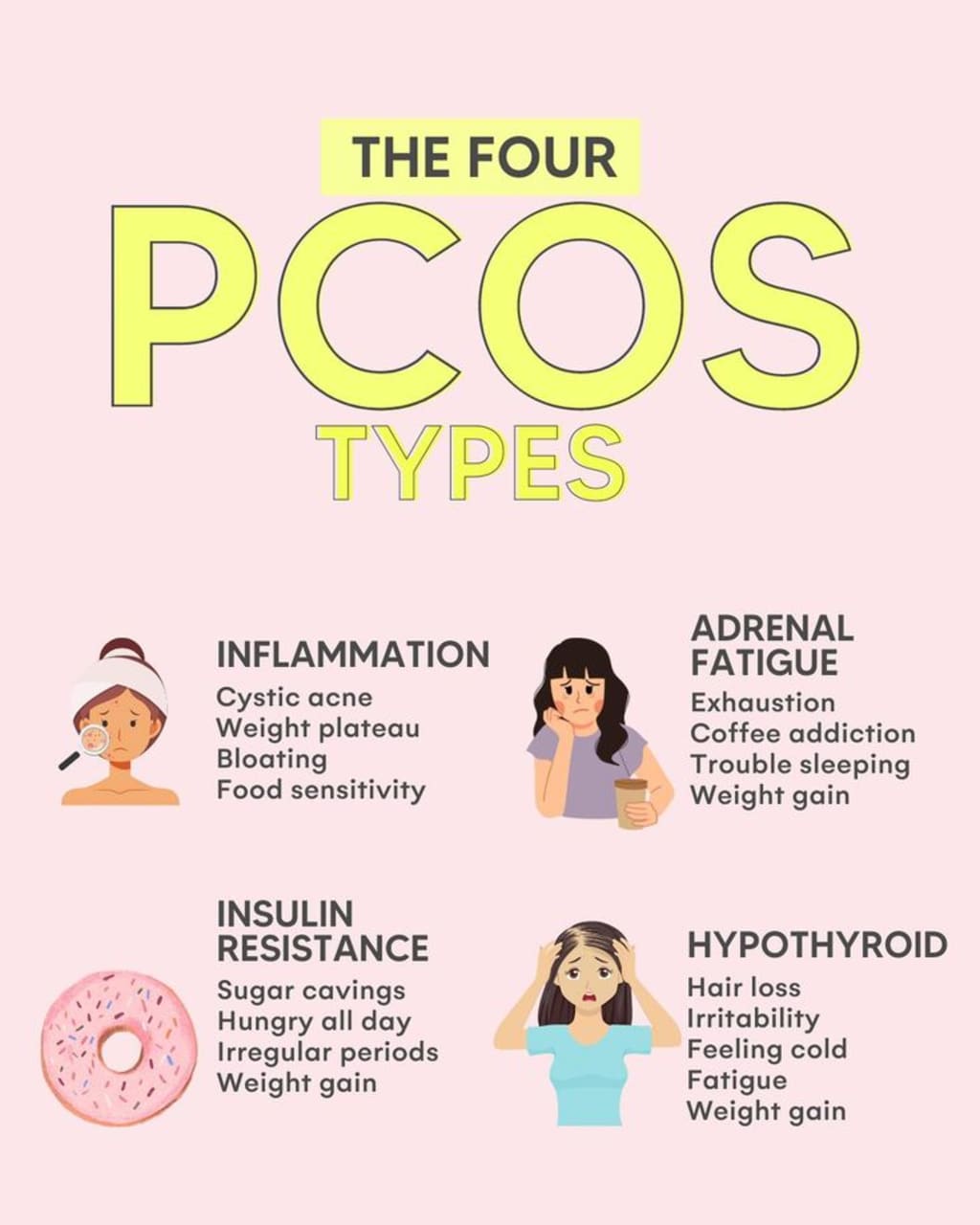
I was just 23 when diagnosed with PCOS, and the first ten minutes after my diagnosis, I felt relieved. At last, here was a label to describe all of my visible symptoms: the fatigue, the cycle irregularities, the skin issues, the weight gain/loss, and an explanation that I was not dreaming or imagining any of them to exist.
What I didn't know then, and what nobody in that office told me, was that PCOS is not just a condition but instead multiple health issues that result in many of the same symptom patterns. If the correct health issue is not treated, your physician can make excellent recommendations for your type of PCOS, but it may not be effective because it is not the correct one being treated.
Let's get into it.
Type 1: Insulin-Resistant PCOS
This is the most common type, affecting about 70% of people with PCOS. It is primarily due to how your body handles insulin or blood sugar; when it does not respond well to insulin, it overproduces insulin; therefore, excess amounts of insulin are being produced, which in turn causes your ovaries to produce an abundance of hormones (androgens), resulting in many of PCOS's associated symptoms.
Other indicators you may have Type 1 include:
- Tiredness after eating
- Excessive sugar cravings
- Excess weight stored around your waist,
- Skin tags or dark patches on your neck or underarms.
The good news is that you can change it. Type 1 typically has a favorable response to targeted changes and will see significant improvements fairly quickly, often quicker than any other single PCOS supplement.
Type 2: Post-Pill PCOS
You may want to take note of these symptoms if they have started after discontinuing hormonal contraceptives. Hormonal contraceptives prevent your body's natural hormone production; when you stop taking them, your body's hormone levels can suddenly spike, causing a short-term increase in androgens (which can appear similar to PCOS).
However, many women find that this hormonal disruption is the result of their body getting back into balance, not actually having a new condition.
Most women find relief between 6 and 12 months after stopping hormonal contraceptives. Therefore, the best thing you can do for your body during this time is to be patient with it, eat enough healthy food, and reduce stress instead of panicking and going back on another hormonal contraceptive.
Type 3: Inflammatory PCOS
Ongoing low-level inflammation due to either digestive problems, food allergies, inadequate rest, or prolonged high levels of stress can contribute directly to the production of male hormones and alter how insulin is utilized by your body’s cells.
Women suffering from this form of hormonal imbalance will likely show signs that extend beyond the classic presenting features seen in women with PCOS as they relate to chronic inflammation (e.g., fatigue not corrected by sleep, breakouts, stomach upsets, and overall 'overwhelming' feeling from the body).
When trying to help resolve this form of hormonal balance, the focus should be less on decreasing carbohydrate intake and more on decreasing the inflammatory load from the following sources: the quality of sleep you are getting, how stressed out you are, improving gut health, and your overall eating habits.
Type 4: Adrenal PCOS
This is the most frequently missed type, and the women who have it are often the most frustrated, as they think they have done everything right with the standard PCOS guidelines and have not found an improvement in their symptoms.
The body is not producing excess testosterone because of the ovaries for these women; instead, the body produces excess cholesterol, which is converted to testosterone via the adrenal glands as an outcome of long-term stress.
Therefore, the insulin-targeted treatments prescribed to PCOS do not treat adrenal PCOS, as they do not take into consideration that the root cause of the issue isn't located in the ovaries.
If you find that your symptoms tend to worsen during times of high stress and your testosterone is at normal levels while your DHEA-S level is elevated, you should discuss this with a physician.
The best recommendations for those experiencing symptoms of adrenal PCOS are as follows: support your nerves by prioritising rest, cutting down on high-intensity exercise, and addressing the reasons behind your stress.
So where do you start?
Start with an open mind. After you discover the root cause, you no longer have to treat symptoms without knowing when they occurred.
Request a lab assessment for fasting insulin, DHEA-S, hs-CRP, and free testosterone from your physician. Also, provide documentation of your patterns when you visit. Document the occurrence and circumstances in which you have experienced problems with flare-ups.
Forever rooting for you! Love and light. ❤️
About the Creator
Yomabasi Fortune
Writer by day and by night.
iRead
iWrite
iDesign
Enjoyed the story? Support the Creator.
Subscribe for free to receive all their stories in your feed.
Comments
There are no comments for this story
Be the first to respond and start the conversation.