
Teeth Whitening: What Works, What Doesn’t, and What to Avoid
Distinguishing Fact from Fiction for a Brighter Smile

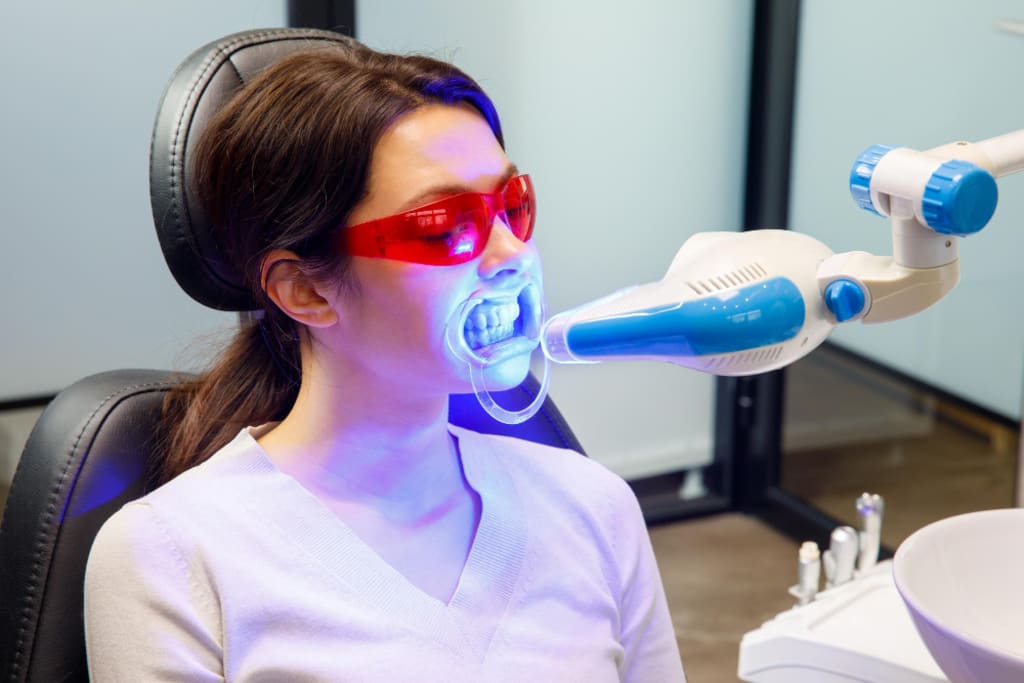
A sparkling smile is a confidence booster and one of today's most sought-after cosmetic improvements. Teeth whitening has emerged as the standard remedy to whiten discoloured or stained teeth.
Nevertheless, hundreds and thousands of different products and approaches are available, so it might be hard to understand which works and which is more harmful than beneficial.
What Works for Teeth Whitening?
1. Professional In-Clinic Whitening
Professional dental clinic treatments remain one of the most effective and safest methods of whitening teeth.
These procedures use high-concentration bleaching agents that are carefully applied under the supervision of a dental professional. The results are immediate and often more dramatic than those of over-the-counter options.
2. Custom Take-Home Whitening Kits from Your Dentist
Another reliable option is a dentist-provided take-home kit. These contain custom-fitted trays and professional whitening gel.
Although the outcomes cannot be as fast as in-office treatments, they are practical and customised to your needs.
3. Whitening Toothpaste (for Maintenance)
To maintain the professional treatment effect, one may use whitening toothpaste. It has some mild abrasives and polishing agents, which clean surface stains but will not lighten the natural colour of your teeth dramatically.
4. Whitening Strips (With Caution)
Over-the-counter whitening strips can produce some visible results, mainly if used consistently. However, they often don’t cover all areas evenly, particularly around the edges or between teeth, and can lead to tooth sensitivity in some users.
What Doesn’t Work as Promised?
1. Whitening Mouthwashes
While these products often advertise whitening benefits, their effectiveness is minimal. Because they only stay in contact with teeth for a short period, they lack the power to remove deeper stains.
2. Charcoal Toothpaste
Although trendy, charcoal toothpaste is abrasive and can wear down tooth enamel over time. Most studies show it provides little to no whitening benefit, and in some cases, it may even increase sensitivity or stain around the gums.
3. Baking Soda Alone
Baking soda has some mild abrasive qualities that can help with surface stains, but using it alone lacks the whitening agents needed to change the internal colour of your teeth. Overuse can also damage enamel.
What to Avoid Completely
1. DIY Whitening Hacks on Social Media
Social media contains " natural remedies, " from lemon juice and baking soda to hydrogen peroxide.
These often lack scientific support and can harm your teeth and gums. Acidic substances like lemon juice erode enamel, and undiluted hydrogen peroxide can irritate soft tissue.
2. Whitening Without Professional Advice
Using whitening products without guidance from a dental professional can lead to uneven results, gum irritation, and long-term enamel damage. It’s essential to consult your dentist before beginning any whitening regimen.
3. Online-Purchased Whitening Kits from Unverified Sources
The appeal of quick, cheap whitening solutions online is strong, but many of these kits are unregulated and may contain unsafe bleaching agents. Always ensure any product is approved by dental health authorities and used under supervision.
What Causes Tooth Discolouration in the First Place?
Understanding the root causes of tooth staining can help you make smarter choices about whitening. Common culprits include:
- Coffee, tea, and red wine
- Tobacco use
- Ageing (which causes enamel thinning)
- Certain medicines
- Poor oral hygiene
Preventive care, including regular brushing, flossing, and dental cleanings, is key in keeping your smile naturally brighter for longer.
How to Maintain Your Whitened Smile
Whether you’ve just finished professional treatment or are trying to preserve your natural shade, here are a few habits to help maintain your white smile:
- Avoid staining foods and beverages when possible
- After eating acidic or pigmented food, rinse your mouth with water
- Use a straw for drinks like iced coffee or soda
- Maintain regular dental hygiene routines
- Touch up with dentist-approved whitening products when needed
Final Thoughts
When properly done, teeth whitening can be a safe and effective method of enhancing one's appearance and making one feel more confident. Professional treatments and dentist-supervised options remain the gold standard for results and safety.
Meanwhile, many over-the-counter or DIY methods either fall short or carry unnecessary risks.
If you're looking for or considering teeth whitening in Cabramatta, our dental team is here to assist you in exploring the most secure and efficient options. Book your appointment today and take the first step toward a brighter, more confident smile!
About the Creator
Cabramatta Dental Care
Cabramatta Dental Care, your trusted family dentists providing advanced dentistry and same day emergency care in Cabramatta. Call (02) 9755 5300 today.
Enjoyed the story? Support the Creator.
Subscribe for free to receive all their stories in your feed.
Comments
There are no comments for this story
Be the first to respond and start the conversation.