health
Health hacks for optimal performance; discover simple suggestions and habits to improve your life, body, mind and spirit.
Addiction Recovery Hacks
Introduction: Addiction is a complex and challenging issue that affects many individuals across the globe. Whether it's substance abuse, gambling, or any other form of addiction, overcoming it requires determination, support, and effective strategies. In this guide, we will explore a thousand words worth of life hacks and practical tips for those facing addiction, specifically tailored to individuals struggling with a pepper addiction. These strategies can empower you on your journey to recovery and help you build a healthier, more fulfilling life. 1. Acknowledge the Problem: The first step toward recovery is acknowledging and accepting that you have a problem. Denial can be a significant barrier to progress, so be honest with yourself and seek the support of trusted friends, family, or professionals. 2. Seek Professional Help: Don't hesitate to reach out to healthcare professionals or addiction specialists. They can provide personalized guidance, therapy, and medical support throughout your recovery journey. 3. Build a Support System: Surround yourself with positive influences who support your recovery goals. Join support groups or engage in therapy sessions where you can connect with others facing similar challenges. Peer support can be immensely helpful during tough times. 4. Create a Relapse Prevention Plan: Develop a comprehensive relapse prevention plan with the help of professionals. Identify triggers, develop coping mechanisms, and establish strategies to manage cravings effectively. 5. Make Lifestyle Changes: Adopting a healthier lifestyle can aid in your recovery. Exercise regularly, eat nutritious meals, and prioritize sufficient sleep. These habits will help your body heal and reduce cravings. 6. Practice Mindfulness and Meditation: Mindfulness and meditation techniques can improve your ability to manage stress, reduce anxiety, and increase self-awareness. Incorporate these practices into your daily routine to find inner peace and balance. 7. Find Alternative Coping Mechanisms: Replace unhealthy coping mechanisms with positive alternatives. Engage in activities you enjoy, such as painting, writing, playing a musical instrument, or spending time in nature. These outlets will divert your attention from cravings and help you rediscover your passions. 8. Set Realistic Goals: Break your recovery journey into smaller, achievable goals. Celebrate each milestone to boost your motivation and confidence. Rewarding yourself for progress will keep you focused and inspired. 9. Learn to Manage Stress: Stress can trigger relapse, so it's essential to develop healthy stress management techniques. Practice deep breathing exercises, engage in yoga or tai chi, or try journaling to release tension and cultivate inner calmness. 10. Identify and Avoid Triggers: Identify people, places, or situations that trigger your cravings and avoid them whenever possible. If you can't entirely avoid them, develop strategies to navigate those situations without giving in to temptation. 11. Build Healthy Relationships: Surround yourself with positive and supportive individuals who encourage your recovery. Establishing healthy relationships will provide emotional stability and minimize the risk of relapse. 12. Develop a Routine: Structure your day with a routine that includes healthy habits and positive activities. A consistent schedule helps maintain focus and reduces the likelihood of falling back into old patterns. 13. Educate Yourself: Learn about addiction and its effects. Understanding the science behind addiction will empower you to make informed decisions and reinforce your commitment to recovery. 14. Practice Self-Care: Prioritize self-care and engage in activities that promote self-love and self-esteem. Take time for yourself, pamper your body and mind, and practice self-compassion. You deserve to treat yourself with kindness. 15. Celebrate Progress, Not Perfection: Recovery is a journey, and setbacks may occur. Focus on the progress you've made rather than dwelling on any perceived failures. Each day is an opportunity for growth and improvement. Conclusion: Dealing with Addiction is difficult and hard but if you put in the work and do these few tips I outline,will help you greatly. Plus if anyone have more tips on how to overcome these addiction, make sure to share them so we can reach individuals and change lives.
By Abraham John3 years ago in Lifehack
Weight loss to help knee pain
Introduction: Weight loss plays a crucial role in managing knee pain, as excess weight places undue stress on the knee joints. In this section, we will explore the relationship between weight and knee pain, the impact of weight loss on knee pain reduction, and the scientific evidence supporting this correlation. Additionally, we will delve into the broader health benefits that weight loss offers beyond alleviating knee pain.
By Yes itz me3 years ago in Lifehack
Efficient Life Hacks
Life hacks are quick and easy tips and tricks that can help simplify our lives. They can be incredibly useful in saving time and reducing stress, and they don't have to be complicated or expensive. In this article, I will share some of my favorite life hacks that can make a big difference in your day-to-day routine. 1. Use a planner or a calendar One of the easiest ways to stay on top of your tasks and deadlines is by using a planner or a calendar. Whether it's a physical notebook or a digital tool, having a designated space to write down your appointments, meetings, and tasks can help you stay organized and reduce the risk of forgetting something important. 2. Make a to-do list Another great way to stay organized is by creating a daily to-do list. Write down everything you need to accomplish for the day, including both big and small tasks. Prioritize your list by tackling the most important or time-sensitive tasks first. Not only will this help you stay on track, but it can also give you a sense of accomplishment as you cross off each item on your list. 3. Use shortcuts on your computer If you spend a lot of time on your computer, using shortcuts can help you save time and be more productive. Some common shortcuts include Ctrl+C (copy), Ctrl+V (paste), Ctrl+Z (undo), and Ctrl+Shift+T (reopen the last closed tab). You can also customize your own shortcuts in some programs. 4. Keep your workspace tidy A cluttered workspace can be distracting and can make it difficult to focus on your tasks. Take a few minutes each day to tidy up your workspace, file away papers, and get rid of any unnecessary items. You may also want to invest in storage solutions like desk organizers or file cabinets to help keep everything in its place. 5. Use a timer Using a timer can help you stay focused and make the most of your time. Set a timer for a specific amount of time, and work on a task without any distractions until the timer goes off. You can also use a timer to break up your workday into manageable chunks, like working for 25 minutes and taking a 5-minute break. 6. Learn to say no Saying no can be difficult, especially when we want to be helpful or don't want to disappoint others. However, saying yes to every request can quickly lead to feeling overwhelmed and stressed. Learning to say no when we need to can help us prioritize our own needs and reduce stress in the long run. 7. Get enough sleep Getting enough sleep is essential for our physical and mental health. Aim for 7-9 hours of sleep each night, and try to establish a consistent sleep routine. Avoid screens for at least an hour before bedtime, and create a relaxing bedtime routine to help you wind down and prepare for sleep. 8. Stay hydrated Drinking enough water throughout the day can help us feel more alert and energized. Aim for 8 glasses of water per day, and carry a water bottle with you wherever you go to make it easier to stay hydrated. 9. Practice mindfulness Mindfulness is the practice of being present and fully engaged in the moment. Taking a few minutes each day to practice mindfulness can help reduce stress and improve our overall well-being. You can practice mindfulness by focusing on your breath, taking a walk outside, or doing a guided meditation. 10. Take breaks
By Abraham John3 years ago in Lifehack
Chewing Helps Boost Your Cognitive Function
When it comes to enhancing cognitive function, we often think of activities such as brain exercises, reading, or problem-solving. However, one simple and often overlooked activity that can significantly boost cognitive function is chewing. Chewing not only aids in digestion but also plays a crucial role in stimulating brain activity and enhancing cognitive performance. In this article, we will explore the science behind why chewing helps boost your cognitive function.
By Tanvir Ameen3 years ago in Lifehack
The Intersection of Artificial Intelligence and Human Creativity: Shaping the Future
Introduction Artificial intelligence (AI) has emerged as a transformative technology that is reshaping various aspects of our lives. From improving efficiency in industries to revolutionizing healthcare, AI's potential seems boundless. One area where AI is making significant strides is in the realm of human creativity. With advancements in machine learning and deep neural networks, AI is increasingly being used as a tool to augment and enhance human creativity. In this article, we will explore the intersection of AI and human creativity and how this collaboration is shaping the future.
By Bhavanaben Rathva3 years ago in Lifehack
"Nutritionally, Cauliflower is a healthy vegetable choice" and 10 different types of recipes of Cauliflower
Cauliflower is a vegetable that belongs to the Brassicaceae family, which also includes cabbage, broccoli, and kale. It has a compact head, known as the "curd," made up of undeveloped flower buds. The most common variety of cauliflower is white, but there are also orange, purple, and green varieties available.
By Healthy lifestyle 3 years ago in Lifehack
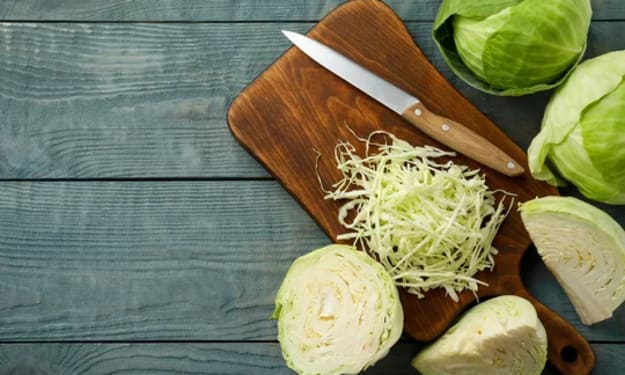
Cabbage as low in calories and 10 different types of recipes
Cabbage is a leafy vegetable that belongs to the Brassica family. It is known for its round or elongated shape, with layers of thick, dark green or purple leaves. Cabbage is widely cultivated and consumed around the world, and it has been a part of human diets for thousands of years.
By Healthy lifestyle 3 years ago in Lifehack
Unleashing the Power of Music: My Journey
Unleashing the Power of Music: My Journey Music has always held a special place in my heart. From a young age, I was captivated by its melodies, rhythms, and ability to evoke emotions. Little did I know that this passion would lead me on a transformative journey, unleashing the true power of music in my life.
By Bhavanaben Rathva3 years ago in Lifehack