health
Health hacks for optimal performance; discover simple suggestions and habits to improve your life, body, mind and spirit.
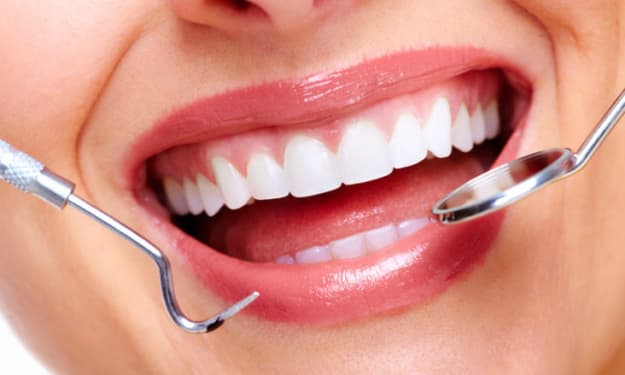
The Real Reason Your Teeth Hurt When You Drink Cold Water. AI-Generated.
You take a sip of ice water on a hot day and suddenly feel a sharp, shooting pain in your tooth. Sound familiar? You're not alone. As many as 45 million people in the US struggle with dental sensitivity related to temperature, making this one of the most common dental complaints.
By Family Dental Stationabout a year ago in Lifehack
Weight-Loss Drugs: Promise, Pitfalls, and a New Chapter in Modern Medicine
For decades, weight loss has been among the most sought-after subjects in health and fitness worldwide. From crash diets to high-intensity workouts, people have tried dozens of ways to shed excess weight. Yet obesity rates continue to increase worldwide, causing heart disease, diabetes, and decreased life expectancy. In the past few years, though, a new option has emerged—weight-loss medicines. Medications like Ozempic and Wegovy are no longer clinical buzzwords but household terms that evoke hope and controversy. Weight-loss drugs are not new. In the past, appetite suppressants and stimulants provided simple answers but at the expense of potentially dangerous side effects. Most were pulled from the shelves after reports of heart issues and mental problems. This new class of drugs is different. Instead of simply suppressing appetite, these drugs function by copying naturally occurring hormones in the body to manage appetite and blood sugar levels. The most widely recognized are semaglutide medications, which are marketed under the brand names Ozempic and Wegovy. Originally developed to manage type 2 diabetes, the medications belong to a class of drugs called GLP-1 receptor agonists. They emulate a hormone called glucagon-like peptide-1, which helps the body control insulin and signals the brain that it's full. The result? People eat less, become full faster, and end up losing significant weight without drastic dieting.
By Kiruthigaran Mohanabout a year ago in Lifehack
Quiet Mastery: How Small Wins Build Unshakable Greatness
In a world that celebrates the loud, the viral, and the overnight sensation, a more potent, albeit quieter, form of excellence is often overlooked. This is the path of Quiet Mastery: a long-term commitment to incremental progress, where greatness is not a singular, explosive event, but the cumulative result of countless small things done well, especially when it’s difficult. It is the antithesis of striving for external validation and the key to building a legacy of unshakable competence and resilience.
By Jacky Kapadiaabout a year ago in Lifehack
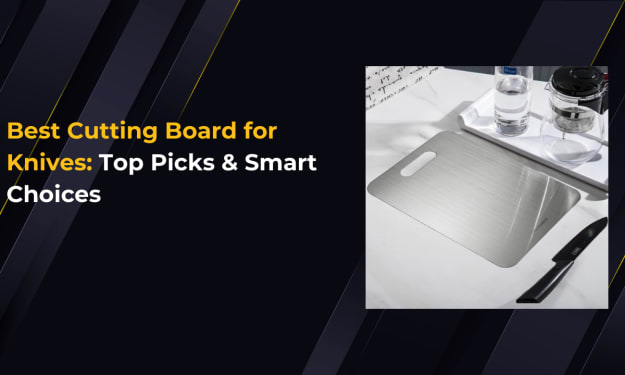
Best Cutting Board for Knives: Top Picks & Smart Choices
When it comes to caring for your cherished blades, choosing the best cutting board for knives matters more than you think. The right board not only preserves your knives' sharpness—it boosts your overall culinary experience.
By Olivia Kimabout a year ago in Lifehack
The Role of Waklert in Managing Daytime Sleepiness. AI-Generated.
Daytime sleepiness can significantly affect productivity, mood, and overall quality of life. For many individuals struggling with excessive sleepiness during the day, finding an effective solution is crucial. One medication that has gained attention in this area is Waklert. In this blog post, we’ll explore what Waklert is, how it works, and its role in managing daytime sleepiness.
By Jennifer Overton about a year ago in Lifehack
Building the Future of Diagnostics with AI-Powered Development
Design alone is no longer enough to bring transformative products to life. While great design sparks creativity and defines user experience, development is what turns vision into reality. At Hurdle, we believe that true innovation demands more than following a conventional design process-it requires a smarter, more holistic approach that aligns strategy, technology, and market readiness.
By James @ Kodeabout a year ago in Lifehack
Best Dishwasher-Safe Cutting Board Guide
When it comes to kitchen essentials, few items matter more than a cutting board. Every meal—from chopping vegetables to slicing meat—relies on it. Choosing a non-toxic cutting board that’s dishwasher-safe ensures durability, hygiene, and convenience without harmful chemicals.
By Olivia Kimabout a year ago in Lifehack
The Safest Cutting Board Materials: A Comprehensive Guide
Cutting boards are everyday essentials in every kitchen. From chopping vegetables to handling raw meat, choosing a non toxic cutting board directly impacts hygiene, knife care, and overall food safety during meal preparation.
By Olivia Kimabout a year ago in Lifehack
2025’s Most Trusted Brands for Cancer Support Products (According to Reviews)
If you or someone you love has been touched by cancer, you know how hard that journey can be. There are doctor visits, treatments, and lots of emotions. But there's also a lot of support out there. One big part of that support comes from Cancer support products. These are things that can help people feel better, stay strong, and heal during or after treatment.
By Jack Thomasabout a year ago in Lifehack
Sleep-Maxxing: How Prioritizing Rest Boosts Health, Productivity, and Longevity. Content Warning.
Wellness talks in recent years have been about diet, exercise, and mental health habits such as mindfulness and meditation. But now there is another cultural shift coming, and it's not about yet another superfood or extreme workout. It is about something far less complicated and yet easier to ignore—sleep. This newly emerging trend throughout the world has a name: "sleep-maxxing." In contrast to most ephemeral fads, sleep-maxxing serves as a reminder that one of the most effective tools for physical and mental well-being has been available all along: getting quality rest. Sleep-maxxing itself is simply the deliberate emphasis on sleep as a critical component of health and productivity. Society has long championed the hustle culture of working late at night and rising early for years as merit badges. The entrepreneur, the executive, and even the student would openly boast about functioning on four or five hours of sleep, linking it to dedication and success. But the science always had other plans. Research has repeatedly shown that adults need seven to nine hours of quality sleep every night to allow the brain and body to repair, normalize, and re-balance.
By Kiruthigaran Mohanabout a year ago in Lifehack