health
Health hacks for optimal performance; discover simple suggestions and habits to improve your life, body, mind and spirit.
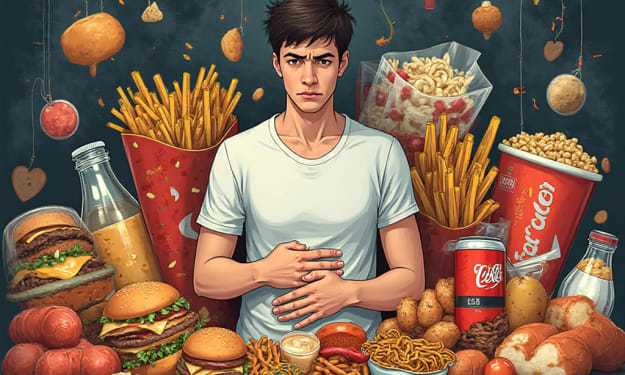
Ultra-Processed Foods and Men’s Health: Hidden Risks You Need to Know
Ultra-processed foods (UPFs) are everywhere—packaged in shiny boxes, easy to grab, and designed to be irresistible. They are items like packaged snacks, fast food, instant noodles, breakfast cereals with added sugars, soft drinks, frozen meals, and processed meats. Though convenient and inexpensive, they have been shown by researchers to quietly damage health when consumed on a daily basis. Over the past several years, scientists have been issuing warnings about the effects ultra-processed foods have on men's overall health. From fertility rates to metabolism, the evidence shows that too much reliance on UPFs can cause serious long-term complications. What Are Ultra-Processed Foods? Ultra-processed foods go beyond minimally processed items like freezing, canning, or drying. Ultra-processed foods are industrially made from refined ingredients, artificial flavors, emulsifiers, preservatives, and colorants. Instead of whole food, they are composed of food extracts—like refined starches, hydrogenated oils, and protein isolates—mixed with chemicals to promote shelf life and flavor. Examples include: Sugary drinks and soft drinks Packaged cookies, chips, and candies Fast foods like burgers, fries, and fried chicken Instant noodles and ready-to-eat food Processed meats like sausages, bacon, and hot dogs Regular consumption might not be detrimental, but intermittent consumption is linked to obesity, diabetes, heart disease, and even certain cancers. Ultra-Processed Foods and Male Reproductive Health Recently, in research, perhaps one of the most alarming findings is the effect of UPFs on male fertility. From studies, it was learned that diets with high consumption of processed foods decrease sperm quality, motility, and count. Why is this? 1. Refined Carbohydrates and High Sugar – Insulin and blood sugar spikes interfere with testosterone production. 2. Too Much Trans Fats – Fried fast foods and processed snack foods contain these fats, which decrease sperm count and harm sperm structure. 3. Chemical Additives – Artificial and preservative food additives can be endocrine disruptors and mess with hormone balance. 4. Obesity and Endocrine Imbalance – Men who consume large amounts of UPFs are likely to develop visceral fat, which lowers testosterone levels and increases estrogen levels. All this adds up to creating a scenario under which male fertility drops precipitously. Men who seek children must pay extra care to what they consume. Impact on Testosterone Levels Testosterone is the main male hormone responsible for muscle growth, sex drive, energy, and emotional health. Ultra-processed diets are linked with low levels of testosterone due to: Increased body fat that contributes to higher estrogen conversion Chronic inflammation caused by man-made additives Deficiency in nutrients since UPFs lack zinc, magnesium, and vitamin D—nutrients needed for testosterone synthesis Low testosterone is not only decreased fertility. It also produces low energy, muscle loss, mood swings, and heightened risk of metabolic disease.
By Kiruthigaran Mohanabout a year ago in Lifehack
The Lifehack That Changed Her Life
M Mehran Her phone was crammed with screenshots: “10 Ways to Save Time,” “The Morning Routine of Millionaires,” “5 Hacks for Happiness.” Her desk overflowed with sticky notes reminding her to drink lemon water, wake up at 5 a.m., and color-code her calendar. And yet—her life still felt like a mess. She was always late, always tired, always chasing after the version of herself those articles promised she could become. The irony wasn’t lost on her: the woman obsessed with lifehacks couldn’t hack her own life. Until one day, by accident, she discovered the only lifehack she would ever need. --- It started on a rainy Tuesday. Nina was running late for work again, juggling an umbrella, coffee, and her phone. She darted into the subway just as the doors were closing, spilling half her latte on her blouse. The train was crowded, her mood already sour. She pulled out her phone to distract herself, scrolling through another endless list of “genius hacks.” But the Wi-Fi cut out, leaving her with only the Notes app open. That’s when she saw it—an old note she had written months ago: “What if the best lifehack is simply paying attention?” She had typed it after watching an elderly man feed birds in the park, noticing how present he seemed. But she had forgotten all about it. Now, staring at those words on the subway, something shifted. Pay attention. Not to tips, not to trends—just to the moment. Nina looked up. For the first time, she noticed the woman across from her humming softly to calm her baby. The man beside her was sketching in a notebook, lines forming the shape of a bridge. The train wasn’t just a blur of strangers; it was a moving story. And suddenly, her stress eased. --- That night, instead of scrolling through hacks, Nina tried a small experiment. She cooked dinner without a podcast playing. She paid attention to the smell of garlic hitting the pan, the sound of the knife against the cutting board, the steam rising from the pot. It felt…different. Calmer. More alive. The next morning, instead of forcing herself to wake at 5 a.m. like some CEO’s routine demanded, she woke when her alarm rang at seven. But instead of rushing, she sat with her coffee by the window, watching the rain slide down the glass. For once, she wasn’t late. She was simply there. Pay attention. It was so simple it almost felt laughable. But the more she practiced it, the more it worked. --- At work, Nina began noticing details she used to ignore. Her colleague who always interrupted wasn’t rude; he was nervous, his fingers drumming on the table every time he spoke. Her boss’s endless reminders weren’t micromanagement; they were attempts to keep a chaotic team afloat. By paying attention, she responded differently—less defensive, more curious. Meetings grew easier. Projects smoother. She wasn’t working harder; she was just present. Even her evenings changed. Instead of collapsing in front of Netflix, she called her grandmother and actually listened. She walked home through side streets, noticing murals and gardens she had passed a hundred times without seeing. The city seemed to expand around her, richer and fuller than before. Nina laughed at herself one night. After years of obsessing over shortcuts, the greatest hack had been hidden in plain sight: attention wasn’t a trick. It was life itself. --- Weeks turned into months, and Nina’s friends began to notice. “You seem different,” one said over coffee. “Calmer. Happier. Did you finally find the secret hack?” Nina smiled. “I think it found me.” She explained her experiment, how paying attention had rewired the way she lived. Her friend frowned. “That’s it? Just paying attention? That doesn’t sound like a hack.” But Nina knew better. In a world addicted to multitasking and distraction, attention was the rarest trick of all. --- The real test came one evening when her train broke down underground. Passengers groaned, scrolling angrily on their phones. Nina felt her old frustration rising—late, tired, stuck. But then she remembered her note. Pay attention. She put her phone away and looked around. A boy was practicing card tricks, shuffling with surprising skill. An elderly woman hummed a tune, tapping her cane in rhythm. A man offered gum to the strangers beside him, sparking laughter. What could have been an hour of misery became something almost magical. When the train finally moved again, people left smiling, lighter than when they had entered. Nina stepped off knowing she would never see them again, but she carried the moment with her. --- One evening, she returned to that same park where she had first seen the man feeding birds. He was there again, scattering crumbs with patient hands. This time, she sat beside him. “Why do you do this every day?” she asked. The man chuckled. “Because it reminds me I’m alive. The birds don’t care about schedules or achievements. They just notice what’s in front of them.” Nina felt tears prick her eyes. She wanted to tell him how his quiet ritual had sparked the note in her phone, how that note had changed her life. Instead, she simply said, “Thank you.” He nodded, as if he already knew. --- That night, Nina opened her Notes app and added a new line under her old reminder: “Pay attention. It’s not just a lifehack. It’s life itself.” And for once, she didn’t need another screenshot, another article, or another tip. She had finally hacked the only thing that mattered: the present
By Muhammad Mehranabout a year ago in Lifehack
New Smile New You: Our Top Tips For Your Best Smile in 2025. AI-Generated.
Your smile is often the first thing people notice about you. In 2025, taking care of your oral health has become easier and more important than ever. Whether you're looking to boost your confidence or improve your overall health, a bright, healthy smile can make all the difference.
By Family Dental Stationabout a year ago in Lifehack
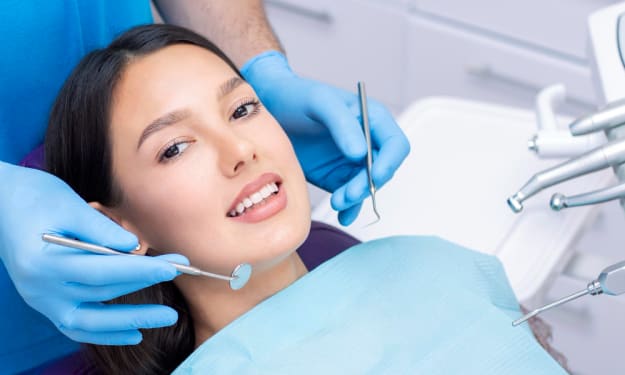
How Dental Check-Ups Help Catch Problems Early
Your good health is closely related to your oral health. Although brushing and flossing every day are a necessary part of maintaining a healthy smile, routine dental visits offer an added benefit of protection that cannot be achieved at home.
By Main Beach Dentalabout a year ago in Lifehack
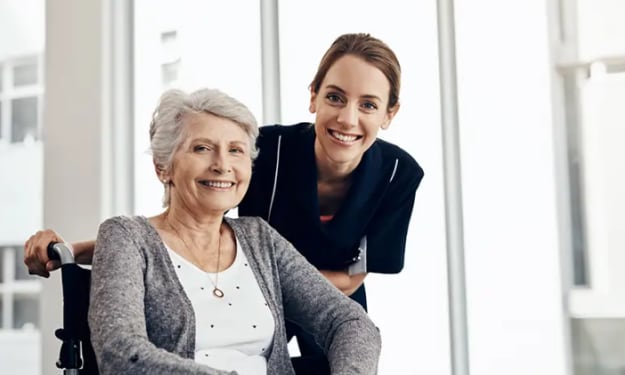
The Aging Thermostat: Why Your Body's Heat Sensitivity Rises With Time
As we journey through life, our bodies undergo a myriad of subtle and profound changes. One of the most common, yet often overlooked, shifts is in how we perceive and regulate temperature. That familiar complaint, "I can't stand the heat like I used to," is more than just a feeling—it's a biological reality. The body's internal thermostat becomes less precise with age, making older adults more susceptible to heat-related illnesses. Understanding this change is crucial for maintaining health, safety, and comfort in our later years.
By Jacky Kapadiaabout a year ago in Lifehack
10 Simple Habits That Changed My Life in One Year
Change doesn’t always come from dramatic moves or big decisions. Sometimes, it’s the quiet, repeated steps that transform a life. When I look back at my past year, I see a journey not marked by sudden leaps but by consistent, small habits that slowly reshaped my days, my mindset, and even my relationships.
By Saqib Ullahabout a year ago in Lifehack
Understanding Breast Cancer: Awareness, Detection, and Hope
Introduction Breast cancer is a most common type of cancer in women around the world and also men but at a relatively lower frequency. It begins when the breast has abnormal cells that divide uncontrollably and create a tumor that is capable of spreading to other parts of the body. Over the years, awareness and caution, early detection, and advanced treatments have ensured the prevention of the impact of breast cancer. However, it is a serious health concern that should be addressed, learned about, and supported. What Is Breast Cancer? Breast cancer develops in breast tissue, most often in the ducts (the milk tubes) or the lobules (the milk glands). Sometimes it also spreads to surrounding lymph nodes or even to more distant organs such as bones, lungs, or liver. The condition may occur in different ways, such as: Ductal Carcinoma in Situ (DCIS): An early cancer with abnormal cells within the lining of a breast duct. Invasive Ductal Carcinoma (IDC): Most common, where cancerous cells spread beyond the ducts. Invasive Lobular Carcinoma (ILC): Begins in the lobules and may extend into surrounding tissue. Every breast cancer is different, and treatment is determined by the stage and type of the tumor. Risk Factors There is no one reason why breast cancer develops, but certain factors do increase the likelihood. These are: Gender: Women are much more likely than men. Age: Risk increases with age. Genetics and family history: Gene mutations like BRCA1 and BRCA2 significantly increase the risk. Hormonal factors: Premature menstruation, late menopause, or hormone replacement therapy. Lifestyle risk factors: Obesity, smoking, alcohol consumption, and a lack of physical activity increase risk. Radiation history: Having had radiation to the chest previously can increase the risk of developing breast cancer. It should be noted that it doesn't always mean an individual will get breast cancer with risk factors, but it's better to be informed and avoid and monitor them.
By Kiruthigaran Mohanabout a year ago in Lifehack