health
Health hacks for optimal performance; discover simple suggestions and habits to improve your life, body, mind and spirit.
How to Become a Successful Sports Massage Therapist: Step-by-Step Guide
If you’re passionate about sports, wellness, and helping people recover from physical stress, becoming a Sports Massage Therapist can be very fulfilling. Whether you want to work with professional athletes or everyday fitness enthusiasts, this career lets you make a meaningful difference while creating a rewarding professional life.
By Ashima SEOabout a year ago in Lifehack
Be Cautious About the Source: Why Reliable Health Information Matters
We have health information at our fingertips in the age we live in. You can click and learn about a new diet, a breakthrough treatment, or a trendy supplement in a few moments. Your social media timeline, health blogs, YouTube videos, and online forums are filled with suggestions. But then there's the problem: not everything is trustworthy. When it comes to health, ignorance can hurt more than good. That's why experts always advise: be cautious about the source. Stick only to known and reputable groups like Mayo Clinic, Cleveland Clinic, World Health Organization (WHO), or Centers for Disease Control and Prevention (CDC) is the best way to protect your health and make informed decisions. --- The Danger of Unverified Health Information The internet is riddled with misinformation. Some of it is accidental, placed there by people who really do believe what they are placing there. At other times, it's marketing, where companies try to sell things by exaggerating information. For example, you may encounter a social media influencer praising a fat loss miracle pill or a herbal remedy for chronic diseases. While it is tempting, lacking scientific facts, such claims may mislead—or hurt. Unverifiable information may lead to: Delay in proper medical care Waste of money on ineffective cures Side effects that can do harm Increased anxiety and doubt about health When the concern is health, precision is worth more than convenience. What Makes a Source Reputable? To know whether a health source is credible or not, you can look for some indicators: 1. Institutional Credibility Well-known institutions like Mayo Clinic, Cleveland Clinic, WHO, and CDC are globally famous for their research, evidence-based treatment, and patient-oriented advice. 2. Scientific Support Good sources cite scientific research, medical trials, or expert opinion, instead of mere personal opinions. 3. Transparency Legitimate sites provide writers' names, medical reviewers, and publication dates. This compels you to search to see if the facts are up to date and reviewed by professionals. 4. No Hidden Agenda Be aware of sites selling a product or therapy while offering medical guidance. A legitimate source is more concerned with education than sales. Why Institutions Like Mayo Clinic and Cleveland Clinic Stand Out Mayo Clinic and Cleveland Clinic are two of the most highly regarded medical facilities in the world. Their sites are full of valuable information—from a disease's description to what can be done to treat it—presented in simple, understandable language. The difference is that their information is vetted by physicians and updated continually to incorporate new studies. Let's consider the Mayo Clinic, for example. If you look up "diabetes management" on their website, you'll find step-by-step guidance on lifestyle change, medications, and complications—all evidence-based, not opinions. The Cleveland Clinic also has detailed health libraries on everything from heart disease to mental health, critiqued by specialists. With this, the guidance you read is not just popular, it's science.
By Kiruthigaran Mohanabout a year ago in Lifehack
The Power of Consistency: Why Small Steps Lead to Big Success
When we look at successful people, we often imagine that they achieved everything through sudden luck or one giant decision. But the truth is different. Behind every big achievement lies one hidden quality: consistency. It may not look exciting, but it is the strongest secret of growth. What Does Consistency Really Mean? Consistency doesn’t mean working hard for one day and then relaxing for a week. It means showing up again and again, even when you don’t feel motivated. It means doing the small task daily until it becomes a natural part of your life. Think of a drop of water falling on a stone. One drop cannot change anything, but when drops fall every day, they create a mark. That’s how consistency works in our lives—it looks invisible at first, but later, the results are too clear to ignore. Why Motivation Is Not Enough Motivation feels good. A motivational video can make you excited for a few hours, but that energy fades quickly. Discipline and consistency are stronger than motivation. If you rely only on feelings, you will stop whenever life gets tough. But if you rely on habit, you will keep going no matter what. Real winners are not the most motivated ones—they are the most consistent ones. They work when others are sleeping, they continue when others give up, and slowly, their small steps become a mountain of success. Real-Life Examples A person who writes just one page daily will have a full book in a year. Imagine 365 pages—enough for a complete novel. Someone who saves a small amount of money every week will build strong financial security. Saving $10 each week means over $500 in a year without even noticing. An athlete who trains for 30 minutes each day will become stronger than someone who trains once in a while for hours. Muscles grow from repetition, not from rare intensity. These examples prove one thing: greatness comes from small, repeated actions. How to Build Consistency 1. Start Small – Don’t begin with huge promises. If you want to read books, start with 5 pages a day, not 50. 2. Track Your Progress – Write it down or mark your calendar. Seeing your record builds confidence and keeps you moving. 3. Remove Excuses – Life will always give you reasons to stop: tiredness, distractions, busy schedules. But remember, excuses don’t create success—habits do. 4. Be Patient – Results take time. The seed you plant today becomes a tree tomorrow, not immediately. Patience is part of consistency. 5. Reward Yourself – Celebrate small wins. When you achieve a weekly goal, give yourself a small reward. It keeps your mind positive. The Hidden Benefit of Consistency Consistency doesn’t just give results; it also builds your character. You become reliable, disciplined, and mentally stronger. People start respecting you because they know you don’t give up easily. And slowly, you also start respecting yourself more. It also reduces stress. When you are consistent, you don’t need to worry about rushing before deadlines. Daily effort means less pressure and more confidence. Why People Fail Without Consistency Many people start with excitement but quit after a few days. They expect instant results. For example, someone joins a gym and leaves after two weeks because their body doesn’t change fast enough. The truth is, nothing valuable comes overnight. Consistency requires patience, and that is where most people fail. If you understand this and stick to your plan, you are already ahead of the majority. Final Words Success is not about speed; it is about direction. Even a slow walk in the right direction is better than running in circles. If you want to change your life, don’t wait for the perfect day. Begin today with one small, consistent action. Remember: Small steps, taken daily, create the biggest victories.
By SulimanAyanabout a year ago in Lifehack
The Rise of Smart Air Purifiers
In an age where technology seamlessly integrates into our homes, even the air we breathe is becoming smarter. While many homeowners are familiar with the benefits of a well-maintained HVAC system or a reliable air conditioner repair in Odessa, a new wave of devices is taking indoor air quality to the next level. Smart air purifiers represent a significant evolution from their traditional counterparts, promising not just cleaner air, but a more convenient and data-driven approach to home health. But beyond the flashy features and smartphone connectivity, do these intelligent devices truly offer a worthwhile return on investment? This article explores the capabilities, benefits, and long-term value of smart air purifiers to help you make an informed decision.
By The Weekend Projectabout a year ago in Lifehack
The Psychology of Comfort
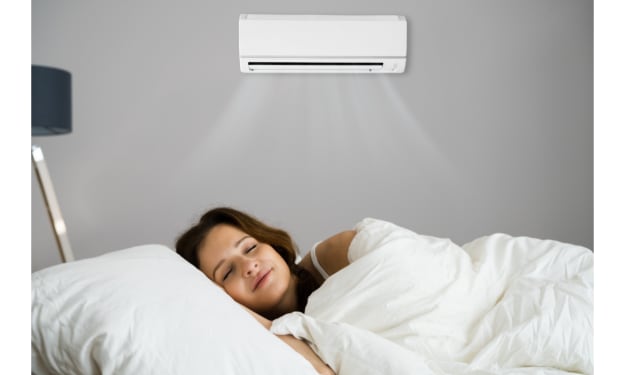
Imagine stepping into a cool, refreshing room on a sweltering summer day. That immediate sigh of relief isn't just a physical sensation; it's a profound psychological one. The relationship between our indoor climate and our mental state is far more intricate than we often realize. It’s a connection that influences everything from our daily mood to our long-term productivity. While many of us simply see our air conditioning unit as a luxury, a reliable AC contractor can tell you it is a foundational element of a comfortable living or working space, and a silent architect of our mental well-being. Understanding this dynamic can help us appreciate the true value of a properly cooled environment.
By The Weekend Projectabout a year ago in Lifehack
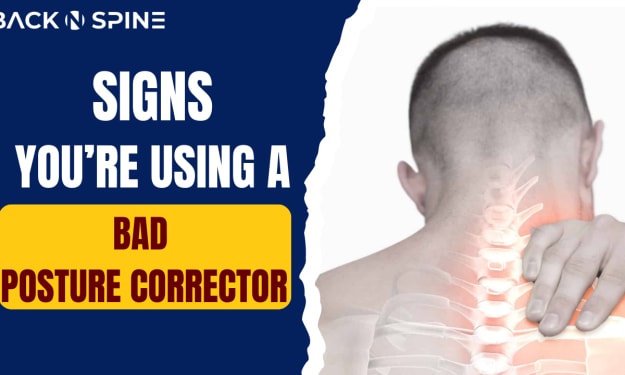
Are Posture Correctors Good? Expert Insights & Benefits
Poor posture is more common than ever. Hours at desks, scrolling on phones, or sitting in cars contribute to rounded shoulders, forward head position, and stiff backs. Many people wonder: Are Posture Correctors Good for fixing these issues?
By Olivia Kimabout a year ago in Lifehack
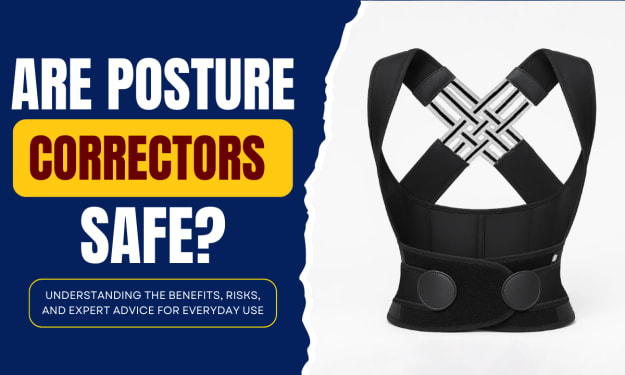
Are Posture Correctors Safe? A Complete Guide
Good posture goes far beyond appearance—it directly affects breathing, movement, and daily comfort. Habits like slouching, hunching over devices, or prolonged sitting often strain the spine, causing tension, pain, and potentially long-term musculoskeletal problems that impact quality of life.
By Olivia Kimabout a year ago in Lifehack
Emergency Dentist in Canberra: Why the Best One is Needed for You
Even a toothache that begins as a dull ache, quickly escalating into unbearable throbbing pain can become a dental emergency. A small accident while playing sports or eating hard food can also lead to a dental emergency with a chipped or knocked-out tooth. Dental infections may also cause emergencies, leading to swelling, fever, and difficulty eating or sleeping.
By Solution Boxesabout a year ago in Lifehack
What is the connection between kidney stones and your digestive problems?
There is no denial about the fact that most people think there is no link or relationship between kidney stones and various digestive problems. There are common health problems that share some commonalities, which most people are not aware of. Treating kidney stones differently and digestive problems differently when both are causing you trouble can lead to various other problems. Due to this, it is essential to know the link between them and take necessary action, which can allow you to stay healthy and prevent these issues. Before getting the best kidney stone treatment in Punjab, it is essential to know the connection between kidney stones and digestive problems via this article. So keep reading
By Salena Wilsonabout a year ago in Lifehack