health
Health hacks for optimal performance; discover simple suggestions and habits to improve your life, body, mind and spirit.
Use Two Products While Brushing to Get Whiter Teeth
Have you ever noticed how some people’s teeth look like they’re glowing? Like, what are they brushing with—light? For serious, though, I’m very sure we’ve all been there, staring in the mirror talking to ourselves, thinking, “Why aren’t MY teeth that white?” I know this used to be me. I wanted to have whiter teeth so badly. But I didn’t want to buy those whitening kits or pay for expensive dental operations. There are persons out here paying way too much money to attain whiter teeth but really don’t have to. For me, the key trick was altering my brushing routine. And no, it’s not complicated. I’m talking about two easy things that shifted the game for me as far as how my teeth appear. Let’s discuss toothpaste. Whitening toothpaste is good. I use it, and it works to help whiten my teeth. So, I’m not about to say throw it out. It preserves the teeth nice and clean and gives them a little shine, which is okay for me. But I wanted my dingy-looking teeth to improve from merely okay to, Darn, that grin is dazzling! You know what I mean? Beyond toothpaste I used to work with a woman who had the brightest, whitest teeth you could imagine. When I asked her how she got them so white, she said she brushed them with baking soda and peroxide. So, I started adding baking soda and peroxide to my brushing routine. And my teeth started looking whiter roughly three weeks later. This is actually a well-known method for whitening teeth—so I found out. I’m just late to the party as always. So in case anybody else is too, here it is. I still use my whitening toothpaste as well. But brushing my teeth with baking soda and peroxide after using toothpaste has made a big difference in how white my teeth are. I didn’t even notice it was making my teeth whiter at first until I started getting a lot of compliments on how white my teeth looked. Here’s how I do it. Step 1: Make the mix Mix two parts of baking soda with one component of peroxide (3% hydrogen peroxide is good). Use just enough of each to make a modest bit of paste. Step 2: Brush like normal (then do a repass). I start with my standard toothpaste. After brushing for a couple of minutes, I submerge my toothbrush in the baking soda-peroxide mix and go over my teeth again. Now I don’t get wild with it like I’m scrubbing my floors. I lightly brush with the baking soda and peroxide in circular strokes. I let the mix do the work for me. Step 3: Rinse with water Once I’m done, I rinse really well with water to make sure there’s no paste left behind. Then, sometimes I finish up with mouthwash, and sometimes I don’t. It just depends on whether I feel like it’s vital. How often? There’s no need to do this every day. Once or twice a week is enough. Baking soda is helpful, but it’s a touch abrasive, so you don’t want to misuse it. Baking soda and peroxide a couple of times a week whiten the teeth without harming the enamel. Want to step it up even more? If you’re like me and like more results, here are some added tips: Floss thoroughly. I know flossing isn’t fun, but trust me, it makes a difference. Rinse after eating. Even just drinking water can clean away anything that can discolor your teeth. Stick with it. Whitening isn’t instant, but it’s worth it. Stay consistent, and you’ll notice the glow-up. Why this might not work for everyone Keep in mind that this may not work if you have certain problems with the teeth that are coloring them. Like vitamin D shortage can cause yellow tooth discoloration. Also, brushing with baking soda and peroxide wouldn’t help for teeth that are stained due to decay. And certain medicines or other health concerns that generate teeth stains may not react to this teeth whitening treatment. Common reasons teeth get stained that this hack should work for Besides poor oral hygiene and not having professional cleanings every six months, several foods (curry, soy sauce, & beets), drinks (coffee & tea), and habits (smoking & chewing tobacco) can produce stained teeth. These are merely a few examples of the types of stains that baking soda and peroxide work well to get rid of. The takeaway Using baking soda and peroxide as a teeth-whitening tip has worked for me. You don’t need to drop a boatload of cash on whitening procedures or equipment. Just grab some baking soda and peroxide, make a little paste, and wash your teeth with it. I’m telling you, your smile will be so brilliant, people will be asking you, What’s your secret?" I get that a lot. Thank you for supporting my passion for writing! I admire you.Start writing...
By Hamza Latioui2 years ago in Lifehack
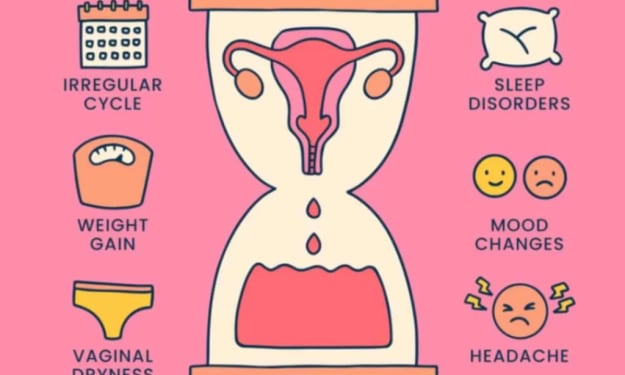
What You Need to Know About Menopause and Hormonal Changes
1. Introduction Menopause is a natural phase in a woman’s life that marks the end of her menstrual cycles. It usually occurs between the ages of 45 and 55, but the timing can vary for each individual. This transition comes with several changes, particularly related to hormones, and understanding these changes can help women navigate this period with confidence and clarity.
By Dr.Shilpa Agrawal2 years ago in Lifehack
Choosing the Right Magnesium Supplement. AI-Generated.
Magnesium is an essential mineral involved in hundreds of bodily functions, from muscle and nerve function to energy production and bone health. While many people get enough magnesium from their diet, some may benefit from supplementation. However, with various magnesium forms available, choosing the right one can be confusing. This article will guide you through the different types of magnesium supplements and help you make an informed decision.
By Muhammad Ali2 years ago in Lifehack
Beat Stress Like a Pro: Life-Changing Tips You Can't Miss!
“It’s not the load that breaks you down, it’s how you carry it.” - Lou Holtz. This quote really hits home as I think about my journey with stress management. Today, stress is everywhere, affecting our mental health and making life stressful. I want to share my experiences and tips to help you manage stress better. We'll look at practical tips and self-care practices that work. My goal is to motivate you to take charge of your mental health. Let's explore ways to beat stress together.
By Imtiyaz Ali2 years ago in Lifehack
Surviving the Noise
The holidays are already upon us. Just over one year ago I was diagnosed with Tinnitus and hyperacusis. For those of you who do not know what that is, it's when you hear constant noise in your ear(s). It really has something to do with the brain and how it processes sound. Some people hear a heartbeat, some hear a high pitched sound and for some it's a chirping noise. Mine is a constant high pitched sound with a periodic static noise. A lot of people have intermittent Tinnitus. They are the luckier ones. That means their noise comes and goes. If you are like me, the noise is constant. Now that I am used to it there are some days where I don't even notice it. Those are the days I keep busy. Once in a while for a split second I think to myself, "Oh my gosh, it's gone"! Reality is that it is not. I just forgot about it for a bit. There are also days that it just rings lower. Those days are a blessing.
By Sue McGaughey2 years ago in Lifehack
Now, give up this morning habit to get a flatter stomach.
Start writing... It is not something that I have not told myself, and I am about to tell you the same thing. In order to accomplish what I set out to do, I had to alter my morning routine. I am with you if you have ever looked in the mirror and pulled at your abdominal fat. I used to do the same thing twice a day, first thing in the morning and again before bed. I was doing all in my power to improve my diet, I was working out on a regular basis either at home or at the gym, and I was drinking water on a schedule as if it were a job. Despite this, my stomach did not appear to be becoming any flatter. It was a very frustrating experience. I take it you want your stomach to be flatter? Your inability to lose belly fat is probably due to a routine that you engage in first thing in the morning. Although it may appear to be innocent, this habit is actually preventing you from achieving your goal of decreasing belly fat.
By Hamza Latioui2 years ago in Lifehack
How to Get Up Every Day at 5AM
I'm not new to reading about the advantages of waking up early or keeping to a constant sleeping pattern; we've all read about it at some time in our lives. I’m in my final semester of university, so the previous three years of my life have been complete craziness. I have school some days, work other days, and have free time on exceptionally rare days. Having a routine seemed unattainable due to the unpredictable schedule with school, work, and rare free time. However, as I neared graduation and the realities of joining the industry crept closer, I realized I needed to make a difference. I started by making a goal to get up at 5 a.m. every day in order to have extra time for myself before beginning my day. It was tough at first, but with effort and devotion, I eventually altered my sleeping pattern and built a morning routine that worked for me. Now, I can certainly claim that I am no longer a night owl, and I am experiencing the advantages of beginning my day early.
By LifeHacker2 years ago in Lifehack
This is what happened when I consumed a tablespoon of extra virgin olive oil every day for 35 days.
The one constant in my life has always been olive oil. As far back as I can remember, my mother always had a remedy for anything involving olive oil. Drinking a tablespoon of extra virgin olive oil became one of my 30-day challenges, a series meant to promote little, sustainable, healthy habits. In just a few months, I’ve tried everything from walking 10,000 steps daily to introducing lukewarm lemon water into my morning routine. I will be releasing my thorough reviews in the next several days. I will also make sure to write about all the 30-day challenges I did this year so you may make them part of your New Year's goals. But this time, it was all about olive oil. Why Olive Oil? Olive oil, particularly extra virgin, has long been treasured for its health advantages. It’s a cornerstone of the Mediterranean diet, connected with lower cardiovascular mortality, extended lifespans, and flourishing health. Research suggests its benefits extend far beyond heart health: Rich in beneficial fats: It’s filled with monounsaturated fats (MUFAs) and polyunsaturated fats like omega-6 and omega-3, which help lower “bad” LDL cholesterol and maintain healthy cells. Antioxidant powerhouse: Its strong antioxidant content combats chronic illnesses and lowers inflammation. Gut health booster: Olive oil may improve digestion and reduce constipation. Based on these benefits, a tablespoon a day felt like the appropriate dose. What is olive oil? Olive oil, a golden liquid fat produced from olives, has a rich history. The olive tree presumably originated in Mesopotamia and spread to the Mediterranean. Ancient Egyptians prized olives so much they included them in tomb offerings as long back as 2000 BC. Nutritional Snapshot (per tablespoon of extra virgin olive oil): Calories: 126 Total Fat: 14g (Monounsaturated: 10.4g, Saturated: 2.3g, Polyunsaturated: 0.97g) Vitamin E: 13% of daily value (DV) Vitamin K: 7% of DV No cholesterol, sugar, salt, or gluten. How Did I Consume It? Instead of gulping it plain (not my style!), I incorporated olive oil into a daily smoothie: 1 cup 2% milk 1 scoop vanilla whey protein 1/3 cup oats 1 cup frozen wild blueberries 1 tablespoon extra virgin olive oil This smoothie became my lunch—a nutrient-packed meal that kept me full and satisfied. 11 Proven Health Benefits of Olive Oil Here’s what science says: Regular olive oil consumption (approximately 1 tbs per day) will reduce blood pressure and protect your red blood cells in the long run. Digestive: A tablespoon may clear up constipation and support gut health. Skin and Hair Benefits: Loaded with vitamin E and antioxidants, it enhances your skin and strengthens your hair. Weight Management: Olive oil can help manage hunger and battle obesity. Brain Booster: Its neuroprotective characteristics may lessen the risk of Alzheimer’s and other mental diseases. Diabetes Prevention: Regular ingestion lowers the risk of type 2 diabetes. Anti-Inflammatory: The antioxidants in olive oil diminish inflammation, a root cause of many chronic diseases. Cancer Risk Reduction: Studies show olive oil consumption may lower the risk of colon cancer. It improves calcium absorption, which is highly crucial for strong bones. Mediterranean diets rich in olive oil are associated with lower depression rates. Some studies suggest it can help alleviate joint pain and stiffness. My Results After 35 Days So, did I feel like a whole new person after 35 days? Not exactly. But little, perceptible changes made me believe in olive oil’s long-term promise. I noticed relief from occasional constipation. This coincides with research indicating olive oil’s lubricating impact on the intestines【24†source】. Adding this healthy fat to my program gives my body a continuous supply of fuel. Since I already eat clean and use olive oil for cooking, it’s conceivable I was already getting many of its benefits before this experiment. What surprised me most? Constipation is more prevalent than people assume. It's impacting roughly 34% of adults. Olive oil’s capacity to fight this felt like a modest, silent superpower. Tiny Experiment (Healthy) to Cure Chronic Constipation The gut is the entrance to health or disease.” Edward F The Science of Olive Oil: Studies and Surprises One fascinating study I came across underlined the long-term benefits: Participants consuming 4 tablespoons of extra virgin olive oil daily for 5 years had a 30% lower risk of heart disease compared to those on a low-fat diet. Another perk? Its anti-inflammatory characteristics may aid patients with chronic illnesses or autoimmune problems. What Did I Learn? Consistency: You don’t need four teaspoons a day—start small. Watch Out for Fakes: Shockingly, up to 70% of olive oil in U.S. markets may be adulterated. Look for products like Kirkland from Costco or ones accredited by the Olive Oil Commission. Long-Term Mindset: The benefits of olive oil are cumulative. Commit for months or years, not just 30 days. The Concluding Thoughts My olive oil challenge taught me that sometimes, the most simple behaviors produce the highest health gains over time. A tablespoon of olive oil might not give you quick six-pack abs or cure all ailments, but it’s a step toward a healthier heart, sharper mind, and happy gut. Grandma always said, “Don’t go cheap on what you put in your stomach or on your skin.”
By Hamza Latioui2 years ago in Lifehack
Can Oral Maxillofacial Surgery Correct Facial Trauma and Injuries?
Facial trauma and injuries can have a significant impact on both physical appearance and function. Whether caused by accidents, sports injuries, or other incidents, facial injuries can affect a person's ability to eat, speak, breathe, or even smile. In such cases, Oral and Maxillofacial Surgery (OMS) can offer solutions that not only help restore normal function but also improve the appearance of the face. This specialized field of surgery focuses on the diagnosis and treatment of conditions affecting the face, jaws, and mouth, including trauma resulting from accidents or injuries.
By Face & Neck Surgery2 years ago in Lifehack