
Can Oral Maxillofacial Surgery Correct Facial Trauma and Injuries?
How Oral Maxillofacial Surgery Helps Repair Facial Injuries and Restore Function and Aesthetics
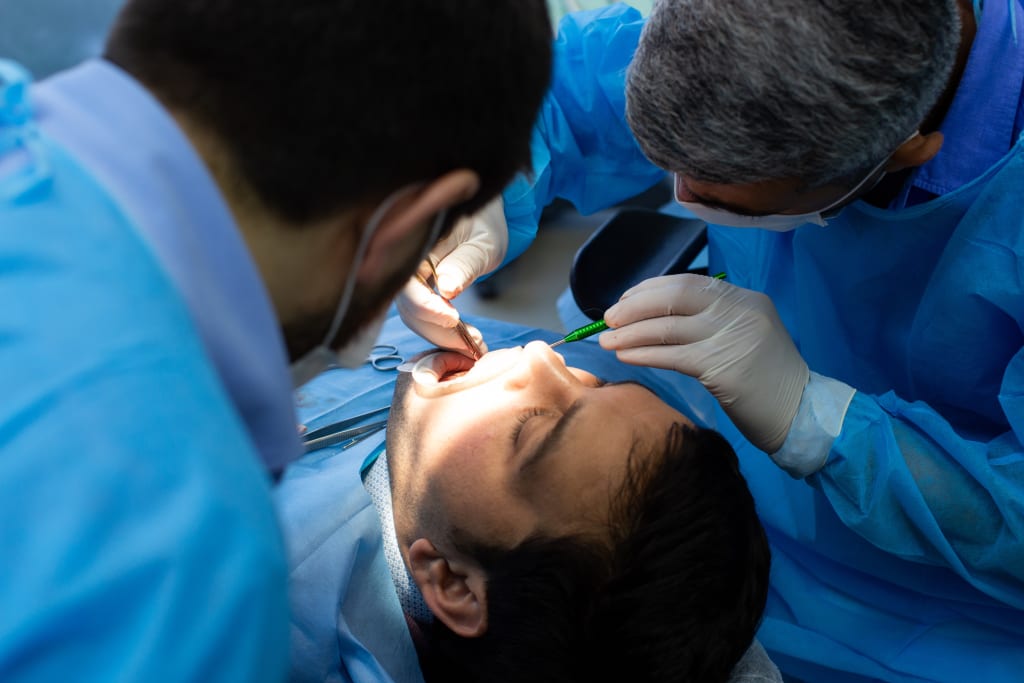
Facial trauma and injuries can have a significant impact on both physical appearance and function. Whether caused by accidents, sports injuries, or other incidents, facial injuries can affect a person's ability to eat, speak, breathe, or even smile. In such cases, Oral and Maxillofacial Surgery (OMS) can offer solutions that not only help restore normal function but also improve the appearance of the face. This specialized field of surgery focuses on the diagnosis and treatment of conditions affecting the face, jaws, and mouth, including trauma resulting from accidents or injuries.
What Is Oral and Maxillofacial Surgery?
Oral and Maxillofacial Surgery is a surgical specialty that deals with the diagnosis, surgical treatment, and rehabilitation of diseases, injuries, and defects in the head, neck, face, jaws, and soft tissues of the mouth and neck. Surgeons specializing in this field undergo extensive training in both medicine and dentistry, which enables them to treat complex injuries and conditions of the face and mouth with precision and care.
When it comes to facial trauma, OMS specialists are skilled at repairing fractures, lacerations, and dislocations that occur due to accidents, assaults, sports activities, or falls. These injuries often involve complex damage to the bones, tissues, and muscles of the face, making them challenging to treat without specialized expertise.
Types of Facial Trauma and Injuries
Facial injuries can vary in severity, ranging from mild contusions to complex fractures that require surgery. Some of the most common types of facial trauma include:
- Fractures of the Jaw: The upper jaw (maxilla) and lower jaw (mandible) are susceptible to fractures in accidents or falls. These fractures can disrupt the ability to chew or speak properly and cause significant pain and swelling.
- Nasal Fractures: Broken noses are a common injury, often caused by accidents or sports-related incidents. Nasal fractures can cause difficulty breathing and affect the cosmetic appearance of the nose.
- Oral Injuries: Injuries to the teeth, gums, and soft tissues of the mouth are common in facial trauma. Fractured or knocked-out teeth, lacerations to the inside of the mouth, and injuries to the lips or cheeks are frequently treated by oral and maxillofacial surgeons.
- Facial Soft Tissue Injuries: Lacerations to the skin and soft tissues of the face can result in scars, especially when they occur in visible areas like the forehead, cheeks, or around the eyes. These injuries may also affect underlying muscles and nerves, impairing facial expression and function.
- Orbital Fractures: Fractures to the bones surrounding the eyes (orbit) can affect vision, eye movement, and the overall structure of the face. These types of injuries are serious and require specialized surgical intervention.
- Zygomatic Fractures: The zygoma (cheekbone) is another area commonly affected by facial trauma. Fractures in this region can affect the symmetry of the face and cause significant cosmetic concerns.
How Oral Maxillofacial Surgery Corrects Facial Trauma
Oral and Maxillofacial Surgeons are trained to address both the functional and aesthetic aspects of facial trauma. Their approach to correcting facial injuries typically involves a combination of the following techniques:
- Fracture Repair: In cases of jaw, cheekbone, or nasal fractures, oral maxillofacial surgeons perform surgery to realign the bones. Depending on the type and severity of the fracture, surgeons may use plates, screws, or wires to stabilize the bones and allow them to heal properly. In some cases, a titanium mesh or bone grafts may be used to reconstruct the damaged area.
- Soft Tissue Reconstruction: For patients with lacerations or other soft tissue injuries, oral and maxillofacial surgeons work to repair the skin and underlying tissues. They may use sutures or other techniques to close the wound, ensuring that it heals properly and minimizing the appearance of scars.
- Nerve Repair: Facial injuries can sometimes damage the nerves responsible for sensation and movement in the face. Oral maxillofacial surgeons are skilled in performing nerve repairs to restore normal function and sensation. This can be critical for patients who experience facial paralysis or numbness following trauma.
- Orthognathic Surgery: In cases where facial trauma has caused misalignment of the jaws, orthognathic surgery may be performed. This procedure involves repositioning the upper and/or lower jaw to correct bite issues and improve facial symmetry. This is particularly important for patients who experience difficulty with eating, speaking, or breathing after a facial injury.
- Cosmetic Surgery: For patients concerned with the cosmetic impact of their injuries, oral and maxillofacial surgeons may perform additional procedures to restore facial aesthetics. These may include skin grafts, fat transfers, or more advanced reconstructive techniques to ensure that the face retains its natural appearance after trauma.
- Minimally Invasive Techniques: In certain situations, oral maxillofacial surgeons may use minimally invasive techniques, such as endoscopic surgery, to repair fractures or soft tissue injuries. These procedures typically involve smaller incisions and faster recovery times.
Recovery and Aftercare
After oral maxillofacial surgery for facial trauma, recovery typically involves a combination of rest, pain management, and follow-up care. Depending on the extent of the surgery, patients may need to adhere to a soft diet, avoid strenuous activity, or wear a special facial mask or splint to support healing. Swelling and bruising are common in the first few days, but these symptoms generally subside with proper care.
Patients should also attend follow-up appointments with their surgeon to ensure that the bones are healing correctly and that no complications arise. Physical therapy may be recommended in some cases to help restore full function, especially if nerve damage or jaw alignment issues were present.
Conclusion
Oral and maxillofacial surgery plays a critical role in the treatment of facial trauma and injuries. From jaw fractures to soft tissue reconstruction, these highly skilled surgeons work to restore both the function and appearance of the face. Whether the injury is the result of an accident, sports injury, or other traumatic event, oral maxillofacial surgery can provide the necessary care to ensure the best possible recovery, helping patients return to their normal lives with restored confidence and function. If you or someone you know has experienced facial trauma, consulting with an oral maxillofacial surgeon can help determine the best course of treatment.
About the Creator
Face & Neck Surgery
At Face & Neck Surgery, we specialize in oral and maxillofacial surgery in Chandigarh, offering expert care for a variety of conditions, including facial injuries, dental implants, and jaw surgery.
Enjoyed the story? Support the Creator.
Subscribe for free to receive all their stories in your feed.
Comments
There are no comments for this story
Be the first to respond and start the conversation.