health
Health hacks for optimal performance; discover simple suggestions and habits to improve your life, body, mind and spirit.
Meet the Kidney Surgeon Doctors. AI-Generated.
Kidneys are small but mighty organs in our bodies. They work hard every day to clean our blood, remove waste, and help us stay healthy. However, sometimes our kidneys face difficulties, and people need special care. When this happens, kidney surgeon doctors step in to help. Understanding these medical professionals and what they do can empower you to take charge of your kidney health.
By Sree Mookambika2 years ago in Lifehack
The Ultimate Guide to Fitness Equipment in Ireland for Every Budget
When starting a home gym or when one is restarting training, selecting training equipment is exciting and daunting. There are so many options to choose from in Ireland when it comes to training equipment, and the good thing is that you do not need to spend a lifetime's worth of savings on good equipment. Whether you are just starting out at the gym or a seasoned career sportsman looking for replacement kit, there is something for all pockets in the world of exercise equipment here in Ireland to accommodate all budgets.
By Apollo Fitness2 years ago in Lifehack
Preventive Health Screenings at a Women's Health Clinic in Lucknow
Preventive health screenings play a crucial role in maintaining women’s health by identifying potential health risks before they become severe. Regular screenings can detect diseases early, allowing timely intervention and treatment. A Women's Health Clinic Lucknow offers comprehensive screening programs tailored to women of all ages, ensuring optimal well-being and long-term health.
By Yuvika Verma2 years ago in Lifehack
Smile, It's Your Secret Superpower
There’s a reason a smile is often referred to as a universal language. It’s not just an expression; it’s a powerful tool that can shape our mood, our relationships, and even our overall health. The power of a smile extends far beyond what we often realize. It has the ability to influence how we feel about ourselves, how others perceive us, and how we connect with the world around us. Smiling isn’t just about showing happiness though it certainly does that. It’s also a reflection of our mental state, a non-verbal way of communicating warmth and positivity. But beyond the social aspects, studies have shown that smiling can have tangible benefits on our well-being. It’s a simple act that can impact everything from our stress levels to our physical health. One of the most significant benefits of smiling is its ability to reduce stress. When we smile, our brains release feel-good chemicals called endorphins. These endorphins help counteract the stress hormones in our bodies, promoting relaxation and helping us feel calmer. It’s a natural, built-in antidote to the pressures and challenges of daily life. A smile, even if it’s not entirely genuine at first, can trigger a positive emotional response in our body, creating a feedback loop that reduces stress. But the power of a smile doesn’t stop there. It can also boost your mood, even on the most difficult days. The act of smiling can influence your emotions, not just your body’s physical response. Researchers have found that smiling can trick your brain into thinking you’re happier, which can improve your outlook on life. This phenomenon, often referred to as the “facial feedback hypothesis,” suggests that even forcing a smile can help elevate your mood over time. Beyond improving personal well-being, smiling can strengthen your social connections. It’s a universally understood sign of kindness and approachability. When we smile at others, we communicate warmth and openness. This makes us more likable and more likely to form meaningful connections with the people around us. Smiles are contagious they encourage positive interactions and help foster a sense of community. In professional settings, smiling can also be a powerful tool for success. It’s a simple way to establish rapport with colleagues, clients, or customers. People are naturally drawn to individuals who smile, as it conveys confidence and friendliness. Smiling can make you appear more approachable, trustworthy, and competent. In high-stress environments, a genuine smile can help break the tension and create a more positive, productive atmosphere. A simple gesture can be a catalyst for building stronger relationships and opening doors to new opportunities. Moreover, a smile can have physical health benefits that go far beyond just lifting your spirits. Research has shown that smiling can actually improve your immune system. When we smile, our body’s immune function increases, which helps protect us from illness. This is another reason to embrace the power of a smile—it not only makes you feel good but also supports your body’s ability to stay healthy and fight off sickness. The act of smiling can also lower blood pressure and improve cardiovascular health. By promoting relaxation and reducing stress, smiling can help prevent the harmful effects of chronic stress, which are linked to heart disease and high blood pressure. In this sense, smiling is not only a psychological tool but also a physical one, impacting our overall health in profound ways. Another remarkable aspect of smiling is its impact on aging. Smiling can help you feel younger and more vibrant. The physical act of smiling engages muscles in the face, especially around the eyes, which gives you a youthful, radiant appearance. People who smile more often are often perceived as being younger and more energetic. This is partly because a genuine smile has the power to lift the face, making us appear more lively and full of vitality. Smiling is also a tool for mental resilience. It’s a way of acknowledging challenges and still choosing to respond with optimism. During difficult times, a smile can be a small yet significant act of defiance against adversity. It sends a message to ourselves and others that we are choosing to stay positive, no matter the circumstances. Smiling can give us the strength to push through tough situations and maintain a hopeful outlook on the future. Even when things don’t seem to be going your way, remember that a smile can be your secret superpower. It’s a simple, free, and easy way to boost your mood, improve your health, and positively influence the world around you. The next time you’re feeling down, take a moment to smile whether it’s at yourself in the mirror, at a friend, or at a stranger passing by. You may be surprised by how much it can change your perspective and lift your spirits. So, the next time you face a challenge or find yourself in a stressful situation, don’t underestimate the power of a smile. It might be the most powerful tool in your emotional toolkit. Smile, and watch as it transforms not just your day, but your life.
By Nora Ariana2 years ago in Lifehack
Effective Anger & Anxiety Management – Find the Right Psychotherapist in Edinburgh
Managing emotions like anger and anxiety is crucial for maintaining personal and professional relationships, as well as overall well-being. If left unchecked, these emotions can lead to stress-related health issues, relationship conflicts, and reduced quality of life. Fortunately, expert anger management counselling near Edinburgh, anxiety therapy, and professional psychotherapists in Edinburgh are available to help.
By Beesan Psycho Therapy2 years ago in Lifehack
Why Your Child Needs The Chickenpox Vaccine In Essex
Introduction As a parent, protecting your child's health is a top priority, and the chickenpox vaccine plays a critical role in that. Chickenpox, caused by the varicella-zoster virus, is a highly contagious infection that presents as an itchy rash of red spots that turn into fluid-filled blisters. While it is often mild in children, it can sometimes lead to severe complications.
By Hadley Clark2 years ago in Lifehack
Can Ptosis Be Prevented? Tips for Maintaining Healthy Eyelids
Your eyelids, folds of the thinnest skin on your body, have extremely important jobs: They shield your eyes from dryness, foreign bodies, and overworking. During sleep, eyelids distribute tears across the surface of the eyes to lubricate them, protect them, and keep dust and other particles out.
By Eyes on Brickell2 years ago in Lifehack
Simple Daily Habits That Make Life Easier for Seniors and Individuals with Disabilities
1. Start the Day with a Structured Routine Maintaining a daily schedule provides consistency and reduces stress. A predictable routine helps in managing personal activities efficiently. Simple actions like waking up at the same time each day, following a set order for morning tasks, and planning meals can enhance stability and comfort.
By Care To Support2 years ago in Lifehack
The Hidden Dangers of Processed Foods You Need to Know
From breakfast cereals to frozen meals, processed foods have become a staple in modern diets. While they offer convenience and long shelf lives, their hidden dangers pose serious health risks. Many processed foods contain artificial additives, excessive sugars, unhealthy fats, and chemical preservatives that can negatively impact your well-being. In this article, we’ll uncover the risks of consuming processed foods and explore healthier alternatives. 1. High Levels of Added Sugar and Artificial Sweeteners One of the biggest concerns with processed foods is their high sugar content. Manufacturers often add sugar to enhance flavor and extend shelf life. However, excessive sugar intake is linked to obesity, diabetes, heart disease, and even cognitive decline. Many diet or “sugar-free” products contain artificial sweeteners like aspartame and sucralose, which may disrupt metabolism and gut health. While these substitutes are marketed as healthier options, studies suggest they can lead to increased cravings and weight gain in the long run. 2. Harmful Preservatives and Additives To keep processed foods fresh and visually appealing, manufacturers use chemical preservatives such as sodium benzoate, nitrates, and BHA/BHT. These compounds may have toxic effects when consumed regularly. Sodium nitrates/nitrites, commonly found in processed meats, have been linked to an increased risk of cancer. BHA and BHT, synthetic antioxidants used in snacks and cereals, are suspected of causing hormone disruptions and potential carcinogenic effects. Monosodium glutamate (MSG), a flavor enhancer, has been associated with headaches, high blood pressure, and allergic reactions in sensitive individuals. 3. Unhealthy Trans Fats and Refined Oils Processed foods are notorious for containing unhealthy fats, particularly trans fats and refined vegetable oils. These fats are used to enhance texture and prolong shelf life but come with significant health concerns. Trans fats raise bad cholesterol (LDL) levels while lowering good cholesterol (HDL), increasing the risk of heart disease. Refined vegetable oils, such as soybean and canola oil, are highly processed and contain omega-6 fatty acids that contribute to inflammation when consumed in excess. Switching to healthier fats like olive oil, coconut oil, and avocados can reduce inflammation and support heart health. 4. Nutrient Deficiency and Empty Calories Most processed foods are stripped of essential nutrients during manufacturing. White flour, for example, loses fiber, vitamins, and minerals in the refining process, leading to what is often called “empty calories.” Relying heavily on processed foods can result in deficiencies in key nutrients such as fiber, protein, vitamins, and antioxidants, all of which are essential for maintaining optimal health. Instead, opt for whole grains, fresh fruits, and vegetables to ensure your body gets the nourishment it needs. 5. Gut Health Disruptions Your gut microbiome plays a crucial role in digestion, immunity, and mental health. Many processed foods contain artificial ingredients, emulsifiers, and preservatives that can disrupt the delicate balance of gut bacteria. Studies suggest that ultra-processed foods may contribute to conditions like irritable bowel syndrome (IBS), bloating, and inflammatory bowel disease (IBD). Fermented foods like yogurt, kefir, and sauerkraut can help restore gut health by promoting beneficial bacteria. 6. Increased Risk of Chronic Diseases Regular consumption of processed foods has been linked to a higher risk of chronic diseases, including: Heart disease – Due to high levels of trans fats, sodium, and added sugars. Diabetes – Refined carbohydrates and artificial sweeteners can spike blood sugar levels and lead to insulin resistance. Cancer – Studies have associated certain food additives and preservatives with an increased risk of cancer. Choosing whole, natural foods can help protect your body from these serious health conditions. Healthier Alternatives to Processed Foods Eliminating processed foods entirely may not be realistic, but making healthier choices is possible. Consider these simple swaps: Instead of sugary cereals, opt for oatmeal with fresh fruit and nuts. Replace packaged snacks with homemade trail mix, yogurt, or fruit. Swap processed meats for fresh, lean meats or plant-based protein sources. Use whole grains like quinoa, brown rice, and whole wheat instead of white bread and pasta. Cook from scratch using fresh ingredients to control what goes into your food. Final Thoughts While processed foods offer convenience, their long-term effects on health cannot be ignored. By making conscious food choices and prioritizing whole, unprocessed foods, you can improve your overall well-being, boost your energy levels, and reduce the risk of chronic diseases. Next time you reach for a processed snack, consider a healthier alternative—it could make all the difference in your health journey.
By Gift Abotsi 2 years ago in Lifehack
7 Medication Errors Your Pharmacy Should Help Avoid
Taking medicine as prescribed may seem simple, but many people unknowingly make mistakes that reduce its effectiveness or lead to complications. Miscommunication, daily distractions, and unclear instructions all contribute to errors that can impact treatment. Your local pharmacy is an essential partner in preventing these missteps, by helping patients understand, manage, and follow through with their medications. These avoidable problems often go unnoticed—until they result in discomfort, missed doses, or worse.
By Piper Burch2 years ago in Lifehack
How Dermal Fillers Can Help You Achieve a Natural, Timeless Glow
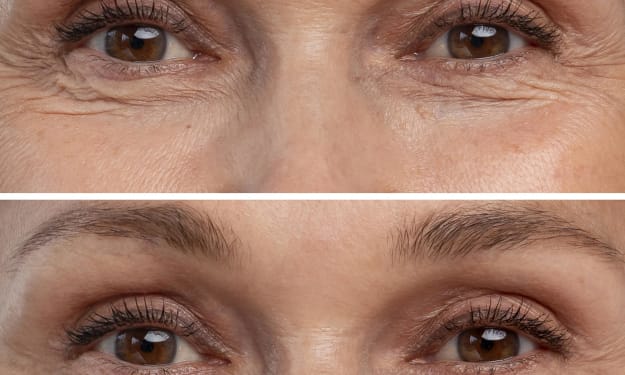
Aging is an inevitable part of life, but many people want to retain their youthful appearance for as long as possible. As we age, the skin naturally loses its elasticity, volume, and structure. This leads to the formation of wrinkles, fine lines, and sagging in various areas of the face. Thankfully, dermal fillers provide an effective, non-surgical way to restore volume and smooth out these wrinkles, offering a refreshed, youthful appearance.
By Newnan Family Medicine2 years ago in Lifehack