
Can Ptosis Be Prevented? Tips for Maintaining Healthy Eyelids
Ways To Prevent Ptosis

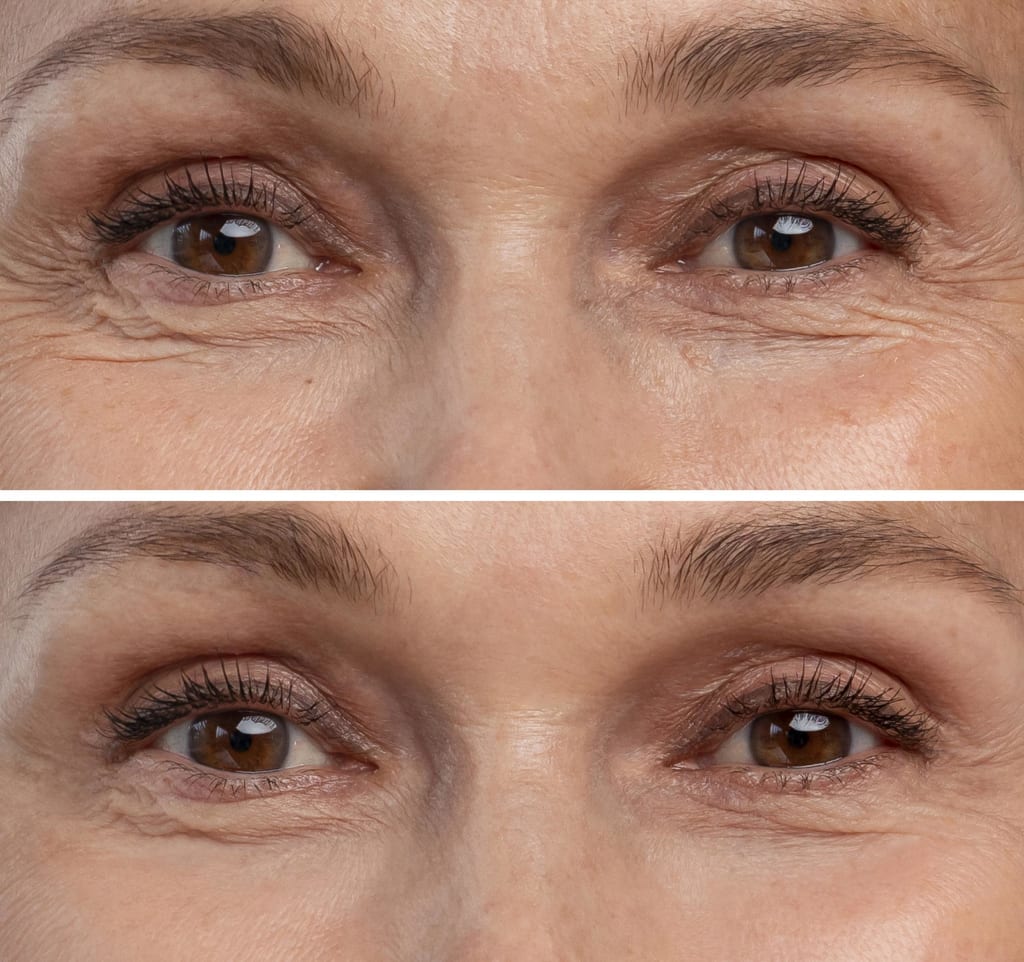
Your eyelids, folds of the thinnest skin on your body, have extremely important jobs: They shield your eyes from dryness, foreign bodies, and overworking. During sleep, eyelids distribute tears across the surface of the eyes to lubricate them, protect them, and keep dust and other particles out.
Sometimes, eyelids do become loose and droopy. In more severe instances, this can cause issues with vision, cosmetic issues, or other health concerns. Your top eyelid is connected to a muscle that helps hold it in place and move it up and down to cover or expose your eye. There is a smaller, helping muscle that helps with this motion.
Also, there is a muscle under the skin at your eyebrow that lifts your eyelids from the top. Damage or weakness in any or all three of these muscles or their tendons will cause you to have a droopy eyelid.
Sagging anywhere on the body is known as ptosis, which is a Greek word for "falling." On your eyelid, it is known as blepharoptosis from the Greek word for "eyelid."
Can Ptosis Be Prevented?
Ptosis, or drooping eyelids, is a condition in which one or both eyelids droop or sag lower than normal, sometimes stretching across the line of sight. Although ptosis is primarily a cosmetic issue that could affect self-esteem, it may cause other complications, such as obstructed vision. The good news is that, while ptosis cannot always be fully prevented, there are various ptosis treatment or ways to reduce It’s risk and maintain healthy eyelids.
Ways To Reduce The Likelihood Of Developing Ptosis As You Age:
1. Maintain Overall Eye Health:
Healthy eyelids begin with proper eye care. Regular visits to an eye care services provider such as Dr. Antoine Copty at Eyes on Brickell. He can help to keep tabs on the health of your eye condition and catch early indications of potential problems. Identifying the underlying issues, such as muscle weakness or nerve damage, early on can help prevent more serious complications from developing, including ptosis.
Keep up with routine eye exams, especially if you have a family history of eye-related conditions or have already been diagnosed with any medical conditions like diabetes or hypertension that could affect your vision.
2. Wear The Appropriate Eye Protection:
You have to protect your eyes so that you do not experience ptosis, especially if you had it due to trauma. Sports and heavy machinery can all cause damage to your eyes and safety goggles should be accompanying you all the time.
But be careful about the environment as well. Don’t spend too much time in the sun without sunglasses or protective eyeglasses since the ultraviolet (UV) radiation accelerates the aging of the skin around the eyes, leading to weakening of the supporting muscles and tissues of the eyelids.
3. Proper Skincare for the Eyelid Zone:
The skin on and around your eyes is thin and delicate and can easily be damaged. Wrinkles and loose skin, which are normally associated with aging, can also worsen the look of ptosis. To minimize this risk, employ a good skincare routine that is aimed at moisturizing and protecting the thin skin on and around your eyes.
Try applying eye creams that assist with wrinkles and keep the skin hydrated. Retinol, vitamin C, and peptides are among the ingredients that assist skin in remaining soft and prevent premature aging.
4. Healthy Lifestyle Choices:
Lead a healthy lifestyle which is essential for enhancing the overall health of eyes and eyelids. Eating a diet containing plenty of vitamins and antioxidants — such as vitamins A, C, and E — supports eye health and also may protect eye muscles.” Leafy greens, carrot, and citrus are good foods to eat for healthy eyes.
Also, it’s important to stay hydrated. The skin surrounding the eyes may become less elastic with dehydration, leaving it more prone to sagging. Regular exercise, good sleep hygiene, and stress management are also essential for maintaining muscle strength and reducing the effects of aging.
5. Don’t Rub Your Eyes Too Much
Similarly, an eye-rubbing habit can also lead to ptosis after a while. Repetitive motion can put a strain on the muscles and skin surrounding the eyes, stretching and weakening them and potentially causing sagging. If your eyes itch or become irritated, instead of rubbing them, use a cold compress or an eye drop solution to help relieve discomfort.
6. Consider Non-Surgical Options for Initial Stages of Ptosis
Once you begin to develop symptoms of ptosis, you must consult an eye care professional such as Dr. Antoine Copty to evaluate your condition. To begin with, you may attempt non-surgical interventions. For instance, eyelid exercises, certain types of medicine, or employing special eyelid lifts may prove to be beneficial for temporary relief.
Dr. Antoine Copty of Eyes on Brickell offers other treatments that would address early ptosis, particularly for individuals who do not want to have surgery. Non-surgical treatments include eyelid tightening treatments, which are designed to tighten muscles around the eyes and address sagging eyelids.
Conclusion
Ptosis is not always avoidable, but by maintaining your eyelids and guarding your eyes, you can reduce the likelihood. Following the tips given, monitoring your eye health, and consulting professionals such as Dr. Antoine Copty of Eyes on Brickell, you can keep your eyelids young and prevent any complications.
Book an appointment today!
Remember that early action is necessary to reap the greatest benefit.
About the Creator
Eyes on Brickell
Experience the latest in eyewear technology with Miami Optical. Eyes On Brickell have collection of designer frames and lenses are carefully selected to provide you with the best in style and functionality.
Enjoyed the story? Support the Creator.
Subscribe for free to receive all their stories in your feed.
Comments
There are no comments for this story
Be the first to respond and start the conversation.