health
Health hacks for optimal performance; discover simple suggestions and habits to improve your life, body, mind and spirit.
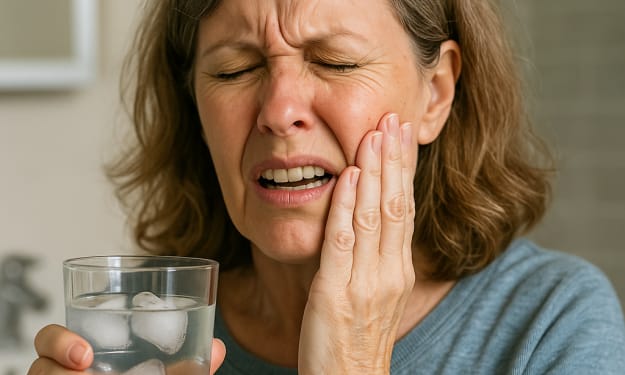
7 Alarming Causes of Tooth Sensitivity After 45 + Natural Relief Tips
Tooth sensitivity can feel like a sudden jolt—a sharp, fleeting pain when you drink something cold, eat something sweet, or even just breathe in cold air. For many people, this becomes more noticeable after the age of 45. But what causes this sensitivity to creep up in midlife?
By boost healthyabout a year ago in Lifehack
Break Free from Your Digital Prison
Break Free from Your Digital Prison How to escape the attention vampires and reclaim your life I watched my friend Sarah stare at her phone for the entire duration of our lunch date. Not just glances – full, unwavering attention to a glowing rectangle while her food grew cold and I sat there feeling like a ghost.
By Burhan Afridiabout a year ago in Lifehack
Compare the Best Anti-Aging Products of 2025: See Why Ours Comes Out on Top
Aging is inevitable—but looking and feeling older than your age? That’s optional. In 2025, the anti-aging world has exploded with innovation. From wrinkle-fighting serums to high-powered best anti aging supplements, there are more choices than ever. But with so many products flooding the shelves (and your social feed), how do you know what really works?
By Jack Thomasabout a year ago in Lifehack
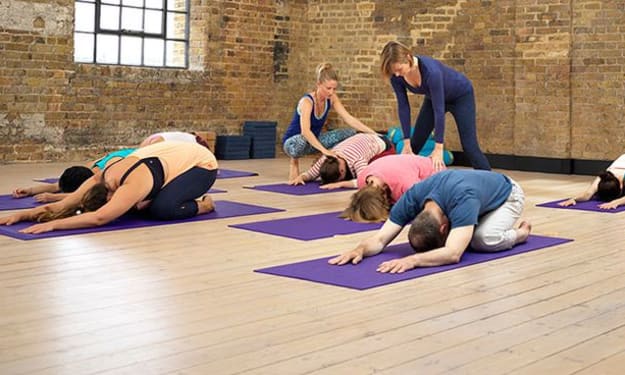
Yoga Private Lessons for Safer Progress
How Yoga Private Lessons Help You Avoid Injury and See Progress You show up to a yoga class hoping to feel better, not worse. But sometimes, pushing through group poses without proper support can lead to strain, discomfort, or injury. If you’ve ever left class feeling more sore than centered, you're not alone.
By Inlet Yogaabout a year ago in Lifehack
Everyday Habits for Excellent Oral Health
Introduction: Tooth decay might seem like a small issue, but it’s actually one of the most widespread health problems in the UK. Recent figures reveal that more than half of UK adults have at least one decayed or damaged tooth.
By Life Pharmacyabout a year ago in Lifehack
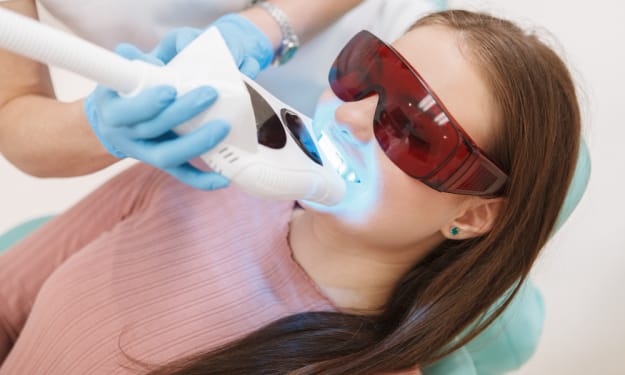
Getting Dentures? Here's What the Process Looks Like from Start to Finish. AI-Generated.
If you're considering dentures, you're not alone. Many patients opt for dentures to regain their self-confidence, restore their eating and speaking abilities, and smile again.
By Epsom Dental Careabout a year ago in Lifehack
Trusted Pest Control in Belfast: Expert Wasp Nest Removal & Local District Pest Control Services
Pest problems are more than just annoying—they can damage property, impact health, and cause serious stress if left untreated. Whether it’s a wasp nest near your front door, rats in the attic, or ants taking over your kitchen, prompt and professional help is essential. If you’re looking for dependable pest control in Belfast, including safe wasp nest removal in Belfast and reliable district pest control services, this blog will guide you through everything you need to know.
By David Raienthabout a year ago in Lifehack
How to Improve Sleep Quality Naturally. AI-Generated.
In today’s fast-moving world, many of us struggle to get the restful sleep our bodies truly need. Whether it’s stress, screen time, or an irregular routine, quality sleep often becomes the first thing we sacrifice. I’ve experienced this firsthand—tossing and turning at night, waking up tired, and feeling like my mind never truly shuts down. But through trial, research, and routine, I found that sleep doesn’t always need medicine. It needs care. Natural care. Here’s a practical guide on how you can improve your sleep naturally, based on real experiences and evidence-backed tips. 1. Build a Sleep-Supportive Environment Your bedroom should feel like a sanctuary, not a second office or a digital hub. One of the biggest changes I made was removing unnecessary electronics and turning my bedroom into a calm, quiet space. I also swapped harsh white lights for warm, dim lighting and added blackout curtains. Tips: Keep your room cool (ideally between 18–20°C or 65–68°F). Remove noise and bright light—use earplugs or an eye mask if needed. Use calming scents like lavender or sandalwood to promote relaxation. These small changes created an environment that tells my brain, “It’s time to rest.” 2. Stick to a Consistent Sleep Schedule Your body loves routine. Irregular sleep patterns confuse your internal clock (circadian rhythm), making it harder to fall asleep—even when you’re tired. When I started going to bed and waking up at the same time every day, my sleep improved noticeably. Yes, even on weekends. Do this: Pick a regular bedtime and wake-up time—and stick to it. Avoid long naps during the day (especially after 3 PM). Aim for at least 7–9 hours of sleep. After just a few weeks, my body started waking up naturally, often before my alarm. 3. Cut Down on Screen Time Before Bed Phones, tablets, and TVs emit blue light that suppresses melatonin—the hormone responsible for sleep. I used to scroll through my phone in bed, thinking it was helping me “relax.” In reality, it was keeping my brain alert and active. Better bedtime habits: Avoid screens 30–60 minutes before sleep. Switch to a physical book or calming music. If screens are necessary, use a blue light filter or “night mode.” Instead of doom-scrolling, I now journal or read for a few minutes—and I fall asleep much faster. 4. Watch Your Diet—Especially in the Evening Heavy meals, caffeine, and sugar close to bedtime can disturb your sleep. I learned this the hard way after several nights of tossing and turning just because of a late-night snack or evening coffee. What to avoid: Caffeine after 2 PM Large meals 2–3 hours before bedtime Alcohol (it might make you drowsy, but disrupts deep sleep) What helps: Chamomile tea or warm milk A banana or a handful of almonds Herbal teas like lemon balm or valerian root These foods support the natural release of melatonin and calm the nervous system. 5. Use Relaxation and Movement Wisely Some light movement during the day helps me sleep much better at night. Whether it's a walk after dinner or a few gentle stretches, physical activity releases tension built up throughout the day. Try this: Gentle yoga or deep breathing before bed Meditation or guided sleep audio A short gratitude journal session Even five minutes of deep breathing can lower your heart rate and prepare your body for sleep. 6. Identify Your Sleep Disruptors Everyone has unique triggers that disturb their sleep. For me, emotional stress was a major one. I started tracking my habits in a small notebook—what I ate, how I felt, and how I slept. Within a week, patterns started to appear. Consider keeping a sleep journal: Track bedtime, food, mood, and screen time. Identify what helps and what hurts your rest. Make small changes and review them weekly. This small habit gave me surprising insights—and it may do the same for you. Final Thoughts Improving sleep doesn’t always mean sleeping more—it means sleeping better. And quality sleep comes from mindful choices, not just pills or products. From setting up a restful environment to limiting screen time and finding your rhythm, small actions can bring big improvements. Personally, once I stopped treating sleep like an afterthought and started respecting it as essential self-care, everything else—from my mood to my focus—got better. Give your body what it needs. Rest, naturally.
By Sherooz khanabout a year ago in Lifehack
Experienced Psychotherapist in Edinburgh for Anxiety Disorders and Sexual Trauma Therapy Sessions
Mental health challenges are more common than many people realize, and seeking professional support can be the most empowering step toward healing. Whether you’re dealing with persistent anxiety, recovering from trauma, or simply seeking clarity in life, working with a qualified psychotherapist in Edinburgh can provide the support and tools you need.
By Beesan Psycho Therapyabout a year ago in Lifehack
No Time, No Problem: How Busy Professionals Can Build Muscle in Just 30 Minutes a Day
You’re not lazy—you’re just busy. Between endless Zoom calls, commuting (again), late-night emails, and trying to have a life, who really has hours to spend in the gym? If you’ve been telling yourself, “I want to get in shape, but I just don’t have time,” you’re not alone—and guess what? You don’t need hours to build muscle. That’s the myth we’re smashing today.
By yusri jusniabout a year ago in Lifehack