
7 Alarming Causes of Tooth Sensitivity After 45 + Natural Relief Tips
What Causes Tooth Sensitivity After 45: Discover 7 shocking reasons your teeth may feel more sensitive after 45, and how natural treatments can help.
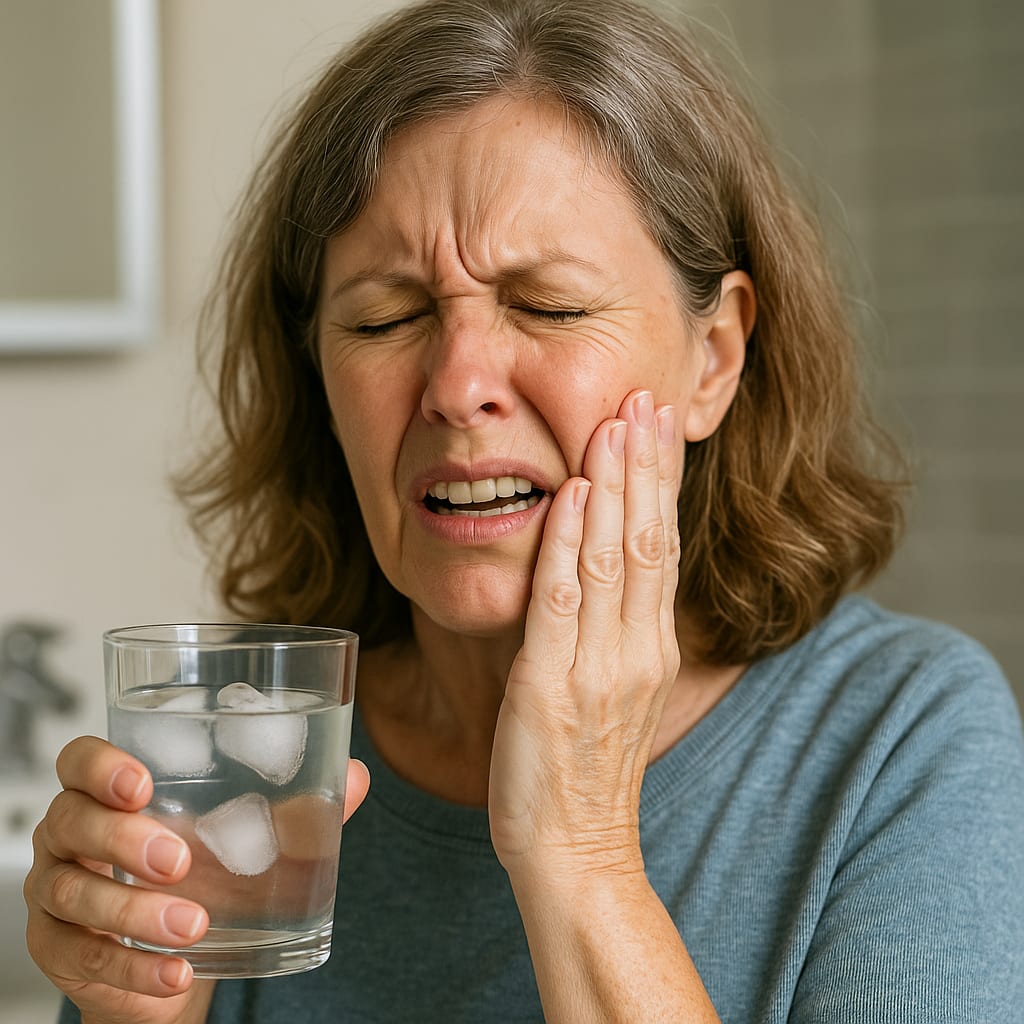
Tooth sensitivity can feel like a sudden jolt—a sharp, fleeting pain when you drink something cold, eat something sweet, or even just breathe in cold air. For many people, this becomes more noticeable after the age of 45. But what causes this sensitivity to creep up in midlife?
In this article, we'll explore the most common causes of tooth sensitivity after 45, how your body and habits change with age, and natural ways to protect your teeth and gums as you grow older.
Understanding Tooth Sensitivity in Your Midlife
As we age, our bodies naturally change—and our oral health is no exception. Tooth sensitivity occurs when the inner part of the tooth, called dentin, becomes exposed. This can happen due to enamel erosion, gum recession, or other factors. Once exposed, dentin allows stimuli like hot, cold, or sweet sensations to reach the nerves, triggering pain.
How Aging Affects Your TeethEnamel wears down gradually with age.Gums may recede, exposing root surfaces.Saliva production decreases, especially due to medications.Oral hygiene habits may slacken over time, increasing the risk of decay and disease.
Understanding these changes is the first step toward reducing pain and restoring comfort.
1. Thinning Enamel
One of the most common culprits is enamel erosion. Over time, your tooth's protective layer wears away due to:
Aggressive brushing
Acidic food and drink consumption
Teeth grinding
When enamel thins, the underlying dentin becomes vulnerable. You might notice pain when eating cold fruits or drinking hot beverages.
2. Receding Gums
After 45, gum recession is more likely, especially if you've had gum disease in the past or brush too hard. This exposes the roots of your teeth, which aren’t protected by enamel. As a result, you feel sensitivity when they come into contact with air, food, or even your toothbrush.
3. Untreated Gum Disease
Gum disease is a silent intruder. Conditions like gingivitis or periodontitis can go unnoticed for years until they cause real damage. Gum disease leads to:
Gum recession
Bone loss
Tooth mobility
This all contributes to heightened sensitivity, especially in adults over 45. For natural ways to address gum disease, check out this comprehensive natural gum disease treatment guide.
4. Tooth Grinding (Bruxism)
Do you wake up with a sore jaw or headaches? Bruxism, or nighttime tooth grinding, becomes more common with midlife stress and anxiety. The constant pressure grinds away enamel and can cause microscopic fractures, both of which increase sensitivity.
5. Dental Procedures and Restorations
Over the years, many people get fillings, crowns, or root canals. While these treatments are essential, they can sometimes lead to post-treatment sensitivity, especially if the work is old or if the tooth structure has weakened.
6. Dietary and Lifestyle Factors
What you consume plays a major role in how your teeth feel:
Citrus fruits, soda, and wine—all high in acid—erode enamel.
Smoking and alcohol dry the mouth, reducing protective saliva.
High sugar intake leads to decay and increased sensitivity.
Making simple dietary changes can dramatically improve how your teeth feel.
7. Hormonal Changes and Medications
Especially for women, menopause brings hormonal shifts that lead to dry mouth and gum thinning. Additionally, many people over 45 take medications for blood pressure, cholesterol, or depression—all of which can affect saliva flow and gum health.
Natural Treatments for Tooth Sensitivity
Looking for natural relief? Here are a few proven methods:
Use desensitizing toothpaste with ingredients like potassium nitrate.
Rinse with warm saltwater to soothe gums.
Apply clove oil or aloe vera for natural anti-inflammatory effects.
Avoid acidic foods and switch to a soft-bristled toothbrush.Explore more remedies in the natural gum treatment guide.
Preventing Sensitivity in the Future
Taking preventive steps is the best way to maintain oral comfort and avoid increased sensitivity as you age. Here's how:
1. Gentle Brushing Techniques
Use a soft-bristled toothbrush.
Avoid vigorous brushing—this wears away enamel and damages gums.
Brush at a 45-degree angle using small circular motions.
2. Fluoride Protection
Use fluoride toothpaste to strengthen enamel.
Consider fluoride mouth rinses, especially if your water supply lacks it.
3. Regular Dental Visits
Seeing your dentist at least twice a year helps identify problems early. Professional cleanings remove tartar and plaque that brushing alone can’t eliminate.
4. Balanced Diet
Limit acidic and sugary foods.
Eat calcium-rich foods like yogurt and leafy greens.
Drink plenty of water to neutralize acids.
5. Stress Management
Since bruxism is often stress-related, try:
Meditation
Exercise
Jaw relaxation techniques
Link Between Gum Health and Sensitivity
Healthy gums are crucial for overall dental health, especially after 45. Here's why:
Why Gum Disease Triggers Sensitivity
Gum disease causes gums to pull away from teeth, exposing sensitive areas.
Infected gums increase inflammation, which irritates nerve endings.
Natural Gum Disease Treatments
Natural remedies can support gum health and reduce sensitivity:
Oil pulling (e.g., with coconut oil) reduces bacterial buildup.
Hydrogen peroxide rinses kill germs and soothe irritation.
Turmeric pastes have natural anti-inflammatory properties.
For a complete list of natural gum care tips, visit the Natural Gum Disease Treatment Guide.
Lifestyle Tips for Stronger Teeth After 45
Here are some simple yet powerful changes to strengthen your teeth as you age:
Habit Benefit
Switch to sensitive toothpaste. Reduces nerve pain
Chew sugar-free gum Boosts saliva production
Use a mouthguard at night. Prevents enamel loss from grinding
Stay hydrated Fights dry mouth
Eat whole foods Supports gum and enamel health
Frequently Asked Questions (FAQs)
1. Is tooth sensitivity a normal part of aging?
While more common with age, it’s not inevitable. Good oral hygiene and preventive care can help avoid it.
2. Can sensitive teeth heal on their own?
In mild cases, yes. With proper care and desensitizing products, the discomfort can be managed or reversed.
3. Does brushing too hard cause sensitivity?
Yes! Over-brushing can wear down enamel and push gums back, exposing roots.
4. What foods should I avoid with sensitive teeth?
Limit citrus fruits, soda, wine, candy, and anything overly hot or cold.
5. Are electric toothbrushes safe for sensitive teeth?
Yes, especially those with pressure sensors and soft bristles.
6. What’s the best natural remedy for gum disease-related sensitivity?
Oil pulling, clove oil, and warm saltwater rinses are excellent natural options.
Final Thoughts
Tooth sensitivity after 45 isn't just a nuisance—it’s often a signal your teeth and gums need more care. Whether it’s due to enamel loss, gum issues, or lifestyle changes, understanding the root causes can help you take effective action.
By incorporating gentle hygiene practices, natural remedies, and healthy lifestyle habits, you can dramatically reduce tooth sensitivity and enjoy a pain-free smile for years to come.
For those looking to treat gum disease naturally, don’t miss the Natural Gum Disease Treatment Guide—a powerful resource for holistic oral care.
About the Creator
Enjoyed the story? Support the Creator.
Subscribe for free to receive all their stories in your feed.
Comments
There are no comments for this story
Be the first to respond and start the conversation.