
Supplements For Loss Weight
How Supplements are help to weight loss

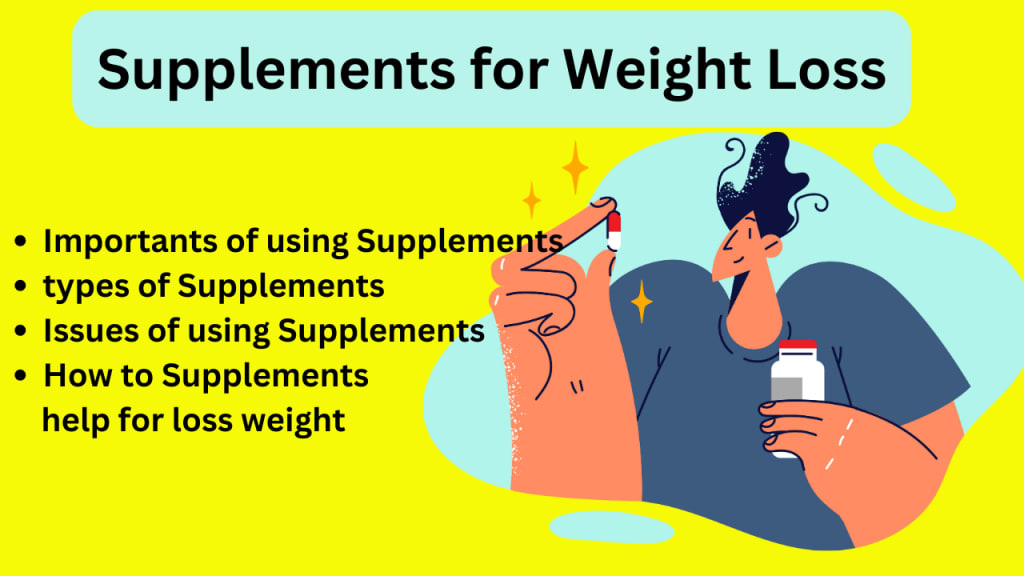
Supplements are products that are intended to complement or enhance a person's diet with specific nutrients, herbs, or other substances. While there are various weight loss supplements available on the market, it's important to note that their effectiveness and safety can vary. It's always recommended to consult with a healthcare professional before starting any new supplement regimen. Here are some ways in which weight loss supplements may claim to help with weight loss:
Appetite suppression: Some weight loss supplements contain ingredients that are believed to help reduce appetite, leading to a decrease in calorie intake. Examples include glucomannan, green tea extract, and garcinia cambogia. These supplements may create a feeling of fullness or satiety, potentially reducing overeating.
Metabolism boost: Certain supplements claim to increase metabolism, which refers to the rate at which your body burns calories. Ingredients like caffeine, green tea extract, and cayenne pepper are believed to have thermogenic properties, potentially increasing energy expenditure and fat burning.
Fat breakdown and absorption: Some supplements target the breakdown of fats in the body or inhibit the absorption of dietary fats. For instance, supplements containing green coffee bean extract or conjugated linoleic acid (CLA) claim to promote fat metabolism.
Energy boost: Some weight loss supplements contain stimulants like caffeine or guarana, which are believed to increase energy levels and potentially improve exercise performance. This can indirectly support weight loss efforts by enabling more intense workouts or increased physical activity.
Nutrient supplementation: Weight loss diets may sometimes lack certain nutrients due to reduced calorie intake. In such cases, supplements that provide essential vitamins, minerals, or other nutrients can help ensure adequate nutrition during the weight loss process.
It's important to note that while weight loss supplements may claim to provide benefits, the evidence supporting their effectiveness is often limited or conflicting. Additionally, supplements are not regulated as strictly as medications, so the quality and safety of different products can vary.
Weight loss supplements should never replace a balanced diet and a healthy lifestyle. The most sustainable and effective approach to weight loss involves a combination of a calorie-controlled diet, regular exercise, and healthy habits. It's always recommended to consult with a healthcare professional before starting any supplement regimen to ensure it is safe and suitable for your individual circumstances.
What are the best Supplements for weight loss
When it comes to weight loss supplements, it's important to approach them with caution and consult with a healthcare professional before starting any new regimen. Keep in mind that supplements are not a magic solution for weight loss, and their effectiveness can vary depending on individual factors. Here are some commonly used weight loss supplements:
Green Tea Extract: Green tea extract contains compounds like catechins and caffeine, which may help increase metabolism and fat oxidation.
Garcinia Cambogia: This tropical fruit extract is often marketed as a weight loss supplement. It is believed to suppress appetite and inhibit the body's ability to convert carbohydrates into fat.
Conjugated Linoleic Acid (CLA): CLA is a fatty acid found in meat and dairy products. It is claimed to promote fat loss, increase lean muscle mass, and improve body composition.
Caffeine: Caffeine is a stimulant that can increase energy expenditure and enhance fat burning. It is often found in weight loss supplements and can also be consumed through coffee or tea.
Glucomannan: Glucomannan is a dietary fiber derived from the root of the konjac plant. It absorbs water in the digestive tract, leading to a feeling of fullness and potentially reducing calorie intake.
Raspberry Ketones: Raspberry ketones are compounds found in raspberries that may affect metabolism and increase fat burning. However, scientific evidence supporting their effectiveness is limited.
5-HTP: 5-HTP (5-Hydroxytryptophan) is an amino acid that is involved in the production of serotonin. It is sometimes used as a supplement to regulate appetite and improve mood.
Remember that supplements should not replace a healthy diet and regular exercise. They should be viewed as a potential complement to your weight loss efforts, and their use should be discussed with a healthcare professional who can provide personalized guidance based on your specific needs and health conditions.
Are there any issues when using Supplements
Yes, there can be potential issues and considerations when using weight loss supplements. It's important to be aware of the following:
Lack of regulation: The supplement industry is not as strictly regulated as the pharmaceutical industry. This means that the quality, safety, and efficacy of weight loss supplements can vary. Some products may contain undisclosed ingredients, inaccurate labeling, or even harmful substances. It's essential to choose reputable brands and consult with a healthcare professional for guidance.
Side effects: Weight loss supplements, particularly those containing stimulants or other active ingredients, may cause side effects such as increased heart rate, elevated blood pressure, digestive issues, sleep disturbances, and anxiety. The severity and likelihood of side effects can vary depending on the individual and the specific supplement.
Interactions with medications or health conditions: Weight loss supplements can interact with certain medications or exacerbate existing health conditions. It's crucial to inform your healthcare professional about any supplements you are taking or planning to take to ensure they are safe and compatible with your current health status and medications.
Dependency and reliance: Relying solely on supplements for weight loss without addressing underlying lifestyle factors such as diet and exercise may not lead to long-term success. It's important to adopt a holistic approach to weight loss that focuses on sustainable lifestyle changes.
Inadequate evidence: While some weight loss supplements have been studied for their potential benefits, the scientific evidence supporting their effectiveness is often limited, conflicting, or inconclusive. It's important to critically evaluate the available research and not solely rely on marketing claims or anecdotal evidence.
Financial cost: Weight loss supplements can be costly, especially when used over an extended period. It's important to consider the financial implications and weigh the potential benefits against the cost.
Always consult with a healthcare professional before starting any weight loss supplement regimen. They can provide personalized advice based on your health history, medications, and specific needs. Remember that a healthy and balanced diet, regular exercise, and sustainable lifestyle changes are the foundation of successful long-term weight management.
Important of using Supplements
The use of supplements can play a role in certain situations to support overall health and well-being. Here are some potential benefits and scenarios where supplements can be important:
Nutritional gaps: Supplements can help fill nutrient gaps in individuals who have specific dietary restrictions, limited food choices, or nutrient deficiencies. For example, individuals following a vegetarian or vegan diet may benefit from supplements like vitamin B12 or iron. Pregnant women often take prenatal supplements to ensure adequate nutrient intake for both themselves and their baby.
Increased nutrient needs: Certain life stages or conditions may increase the body's nutrient requirements. Supplements can help meet these increased needs. For instance, during periods of rapid growth, such as adolescence, or during pregnancy and lactation, specific nutrient supplementation may be recommended.
Specific health conditions: Some supplements can be beneficial for individuals with certain health conditions. For example, individuals with osteoporosis may benefit from calcium and vitamin D supplements to support bone health. People with low iron levels may need iron supplements to address anemia.
Convenience and practicality: Supplements can offer a convenient and practical way to ensure nutrient intake, especially when dietary sources may be limited or when it's challenging to meet recommended levels through food alone. This can be particularly relevant for busy individuals or those with specific dietary preferences or restrictions.
Support for specific goals: In some cases, supplements may be used to support specific health or fitness goals. For example, athletes or individuals engaged in intense physical activity may use supplements like protein powder to support muscle recovery and growth. However, it's important to note that whole foods should always be the primary source of nutrients, and supplements should not replace a balanced diet.
It's crucial to remember that supplements are not meant to replace a healthy diet and lifestyle. They should be used judiciously, with consideration given to individual needs, specific health conditions, and guidance from healthcare professionals. It's always recommended to consult with a healthcare provider or registered dietitian before starting any supplement regimen to ensure they are appropriate and safe for your specific circumstances.
About the Creator
Meenam
Becoming a weight loss article writer is an exciting and fulfilling endeavor that allows you to inspire and empower individuals on their weight loss journey.,
Enjoyed the story? Support the Creator.
Subscribe for free to receive all their stories in your feed.
Comments
There are no comments for this story
Be the first to respond and start the conversation.